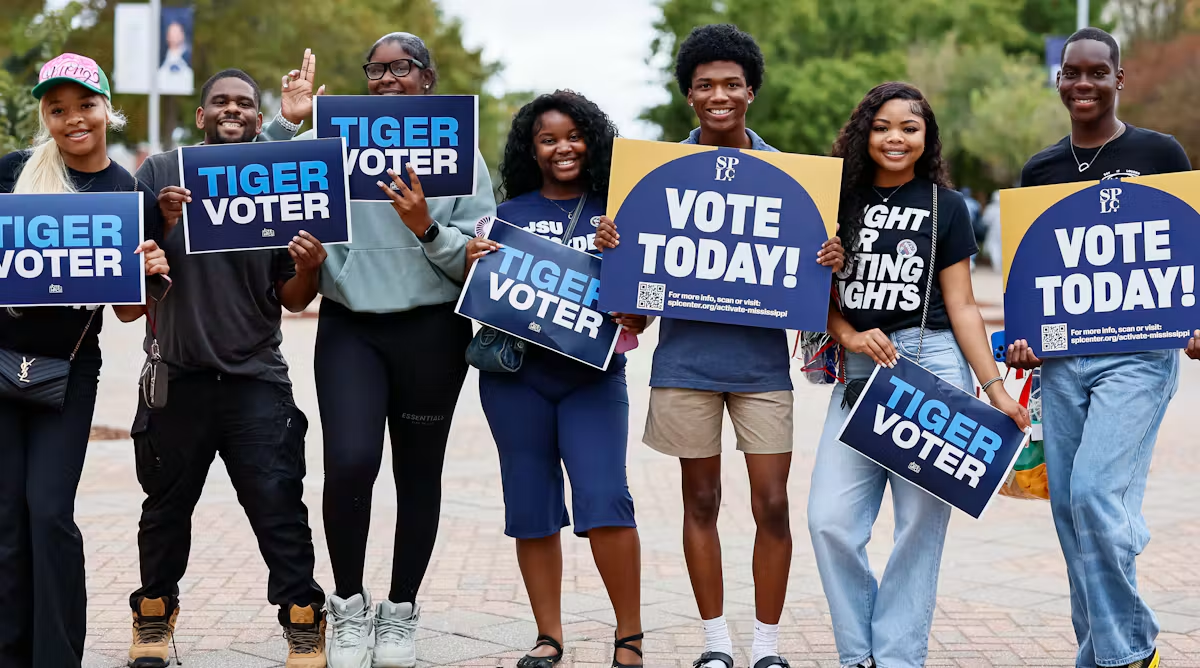
The economy ranked as the top issue for young voters in the November 2026 midterm elections, according to research from CIRCLE, a nonpartisan youth civic engagement research organization at Tufts University.
Twenty-seven percent of people ages 18 to 29 cast ballots in the midterms, marking the second-highest youth turnout in 30 years, behind only 2018 when 28% of young people voted. Healthcare and the Iran war also emerged as areas of importance for young voters, all three issues linked to concerns about the cost of living.
Among youth, 66% voted for a Democratic U.S. House candidate, compared with 31% for a Republican candidate, the highest support for Democrats among all age groups. Young women voted Democratic at a 45-point margin compared with a 24-point margin for young men. A similar gender gap persisted among young voters not in college.
Education created voting differences. Those with only a high school degree or less voted Democratic by a 24-point margin, compared with a 42-point margin among those with at least some college experience. Low-income college students were more likely than affluent peers to vote Democratic.
By race, 81% of Asian American and Pacific Islander young people voted for Democratic House candidates, along with 79% of Black young voters and 71% of Latino young voters. Sixty-one percent of white young people voted Democratic, with 36% voting Republican.
Youth priorities have shifted. In 2020, young voters prioritized social issues like racism, climate change and gun control. By 2022, the economy and inflation became central concerns. In 2026, healthcare ranked second and the Iran war ranked third as priorities.
Youth voter turnout in midterm elections typically runs much weaker than in presidential elections. The 27% turnout in 2026 contrasts with 13% in the 2014 midterms.
CIRCLE research shows college students face logistical voting barriers. Young people are frequent movers, requiring reregistration when they change addresses. College students registered from their parents' address while living on campus encounter complications. More than one in three young people overall were never contacted about the 2024 presidential election, rising to 48% among those without college experience.