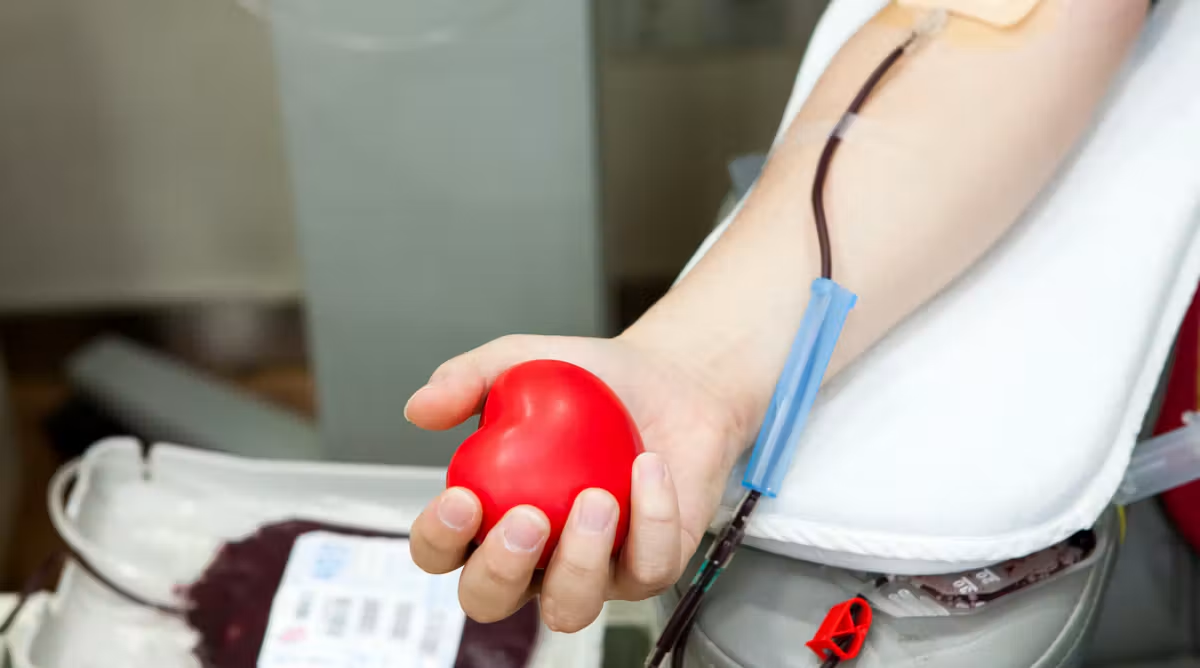
People taking pre-exposure prophylaxis (Prep) to prevent HIV cannot donate blood while using the medication and must wait three months after their last dose of tablets, or two years after their last injection, according to UK blood donation guidelines.
Prep is approximately 99% effective at preventing HIV when taken correctly, according to the NHS. However, if someone acquires HIV while taking Prep, the medicine can make the infection harder to detect during blood screening. The medication limits the virus's ability to multiply and can delay or weaken antibody production, which blood services rely on to identify HIV infections.
Blood services test donations for HIV genetic material and antibodies. Research examining blood samples from Prep studies shows these medicines can make infection harder to detect before tests can reliably identify it, according to the article's author.
Research by the author and colleagues found Prep medicines in some blood donations in England collected in 2023. Testing 84 male donors whose blood showed evidence of current or past syphilis found that 7.1% of samples contained medicines used in common Prep tablets. The same medicines have other uses, so their presence cannot confirm why someone took them.
The author argues that blood services should explain the waiting period restrictions clearly, particularly given that Prep remains a major advance in HIV prevention. The different waiting periods for tablets versus injections require especially clear guidance. The author recommends that people not stop Prep to become eligible to donate, and instead discuss any changes with their doctor or nurse at a sexual health clinic.