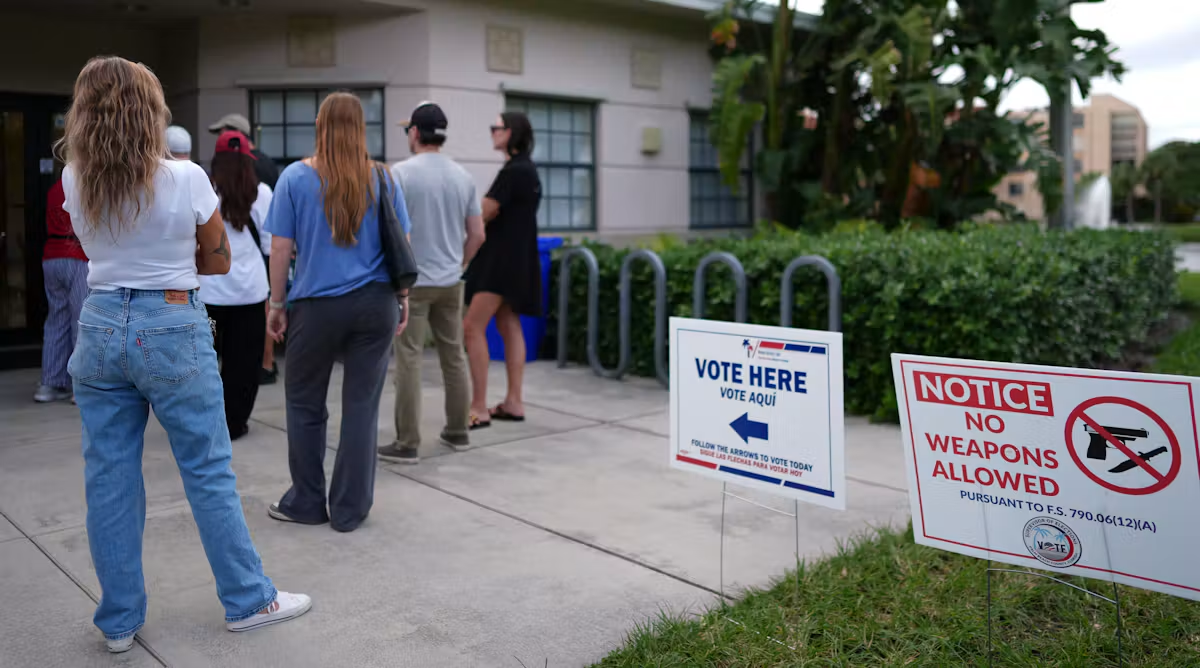
On Nov. 3, 2026, more than 60% of Florida voters approved Amendment 3, a constitutional amendment that triples the homestead property tax exemption from $50,000 to $150,000 in 2027, then increases it to $250,000 in 2028. New homeowners would receive a more phased-in tax break.
The Florida Legislature's research arm estimated the measure will reduce annual property tax revenue by $11.8 billion, translating to a 30% revenue cut for Florida counties and a 13% cut for municipal governments.
Amendment 3 also lowers the cap on annual property tax assessments for rental and commercial properties from 10% to 5%. School-related property taxes are exempt from these cuts.
With property tax revenue sharply reduced, local governments will face pressure to raise revenue elsewhere. Options include increasing sales taxes, expanding what goods are taxed, hiking documentary stamp taxes on deeds and mortgages, raising fees for services like solid waste and stormwater utilities, and increasing tourism-related taxes.
Local governments will struggle to fund basic services with less money, according to economists from the University of Tampa quoted in the report. Police, fire and emergency medical services, which are primarily funded by local governments and make up the largest budget line item in most counties, face direct cuts.
Lower-income Floridians will bear a disproportionate burden. If sales taxes rise, these residents spend a larger share of income on consumption. They are also far more likely to rent than own, so increased rents from landlords passing on higher taxes would take a bigger toll.
The tax cut structure will likely create incentives for developers to build commercial structures instead of residential housing. Property taxes currently subsidize residential development in much of Florida, with county governments spending around $1.20 in services for every $1 a homeowner pays in property taxes. As tax revenues fall, this gap widens, making commercial and industrial construction more attractive to local governments seeking to maintain tax revenue.