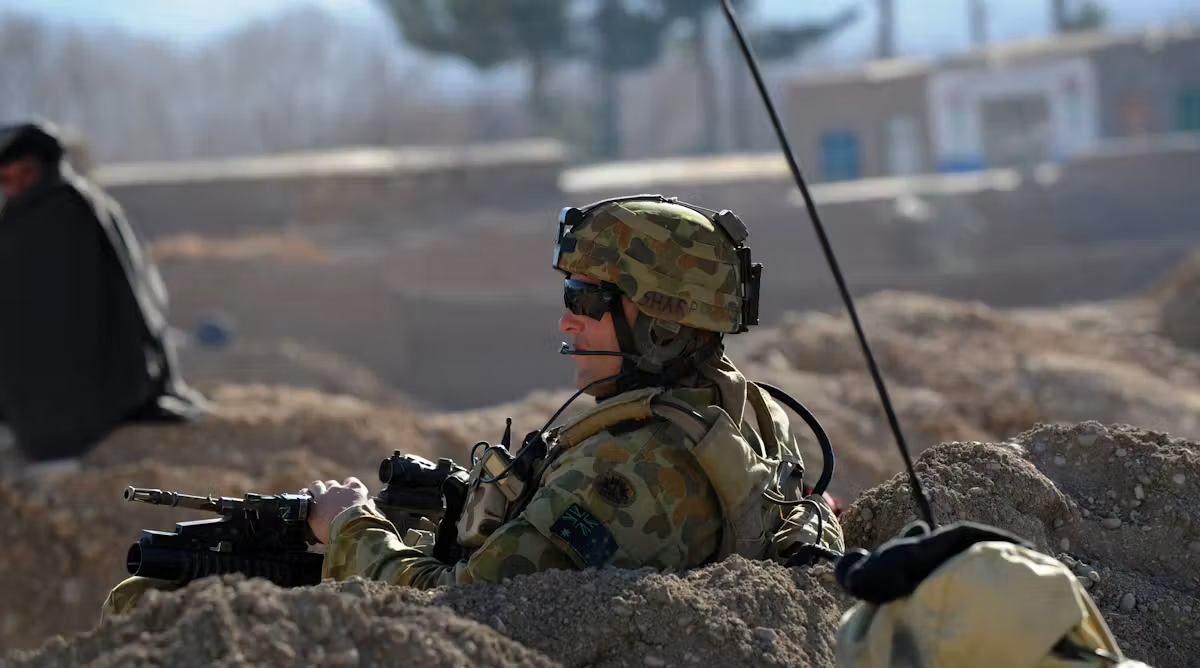
The inspector-general of the Australian Defence Force released an executive summary of an inquiry into the culture and command of Australian special forces in Afghanistan. The inquiry followed the 2020 Brereton report, which found credible information that Australian special forces murdered 39 Afghan civilians and prisoners between 2005 and 2016.
The new inquiry focused on the Special Forces Task Group and the responsibility of commanders for the behaviour of special forces operators. While the Brereton report suggested misconduct responsibility lay at the patrol commander level, this latest inquiry examines more senior leaders.
The inspector-general delivered 42 findings. Rather than make recommendations, the report identifies nine overarching issues for potential defence force reform. These issues describe Australian forces operating in Afghanistan with an "uncontrolled warrior culture", inadequate oversight, and overuse of special forces isolated from the broader army.
The report found problems with Australian command structures and procedures. In some cases, there was "an inversion of authority" where tight-knit groups of lower-ranking soldiers made operational decisions normally reserved for senior personnel. This contrasts with standard military chain of command, where orders pass from headquarters to the field to ensure compliance and conduct expectations.
Andrew Hastie, a Liberal MP and former SAS captain, said the report confirmed "unlawful conduct" but "spreads responsibility throughout the chain of command" rather than focusing on individuals.
Under command responsibility, a principle in war crimes law, commanders are legally responsible for their troops' conduct and must address suspected misconduct and oversight failures. The report's findings of governance and culture failures may lead to investigations of some commanders for war crimes.
The defence force faces the challenge of undertaking organisational change in special forces while preserving their flexibility and unconventional capacity. Special forces operate with more independence than other military units to undertake specialised missions and respond to changing circumstances. This autonomy diminishes central control, creating tension with conventional military law and discipline.