The UK spent £12.8bn on climate aid for developing countries between 2021 and 2026, surpassing its £11.6bn target for the period, according to official figures obtained by Carbon Brief through Freedom-of-Information requests.
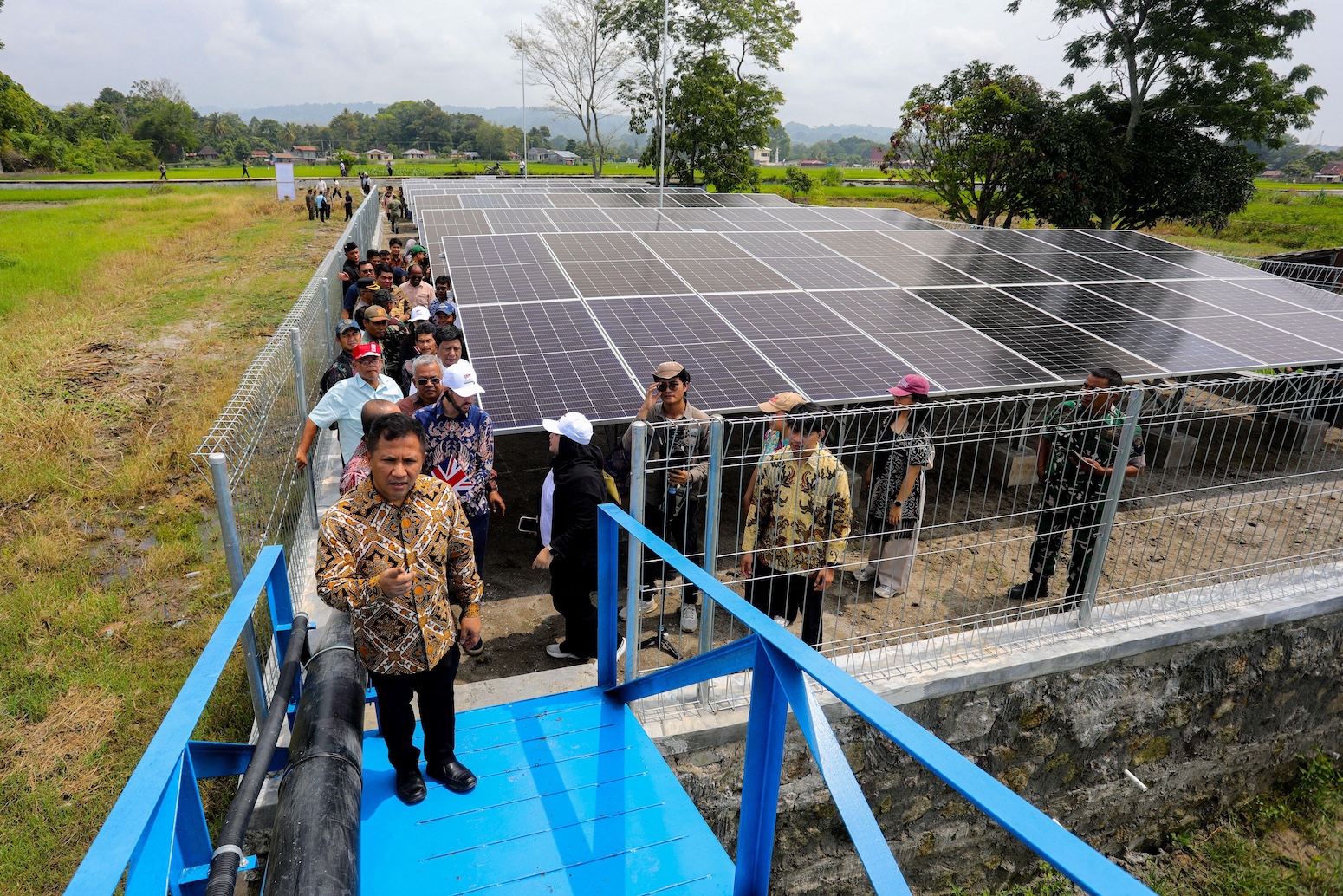
UK climate funding reached a record £4bn in the financial year 2025-26. The money supported roughly 500 aid projects, climate funds and private-investment initiatives. Recipients included £45m to help Ukraine reduce fossil-fuel reliance, £40m in cash transfers for drought-affected Kenyans, and £30m for flood resilience in Nepal. The UK channelled £198m into a World Bank-backed project to help Colombia, Cambodia and other nations create and sell carbon offsets. Another £229m went to a group that uses foreign aid to attract private capital for projects in low-income nations, including a solar farm in Uganda and a sustainable aviation fuel project in Pakistan.
The UK government does not routinely publish climate-finance data broken down by financial year, making it difficult to track progress toward its goals. Carbon Brief's analysis shows the target was met partly due to the government reclassifying £2.2bn of existing foreign aid as climate finance without spending additional money.
More than 80% of UK climate finance since 2021 was delivered multilaterally through large funds or institutions. Of the £2.1bn delivered bilaterally to specific countries, east Africa and south Asia were the biggest beneficiaries. Afghanistan received £256m and Ethiopia £226m. The UK's apparent surge in Afghanistan support resulted from automatically labelling 30% of humanitarian aid as climate finance following an accounting change, rather than from new climate initiatives.
Major recipients of UK climate finance included the Green Climate Fund, which received £1.5bn, and British International Investment, a publicly owned company that received almost £1.4bn.
In March 2026 the Labour government committed to spending around £6bn of UK aid as climate finance over three years, averaging £2bn annually. This represents a significant reduction from the £11.6bn pledge.