# Agricultural Expansion Destroys Two Million Acres of North American Grasslands Annually
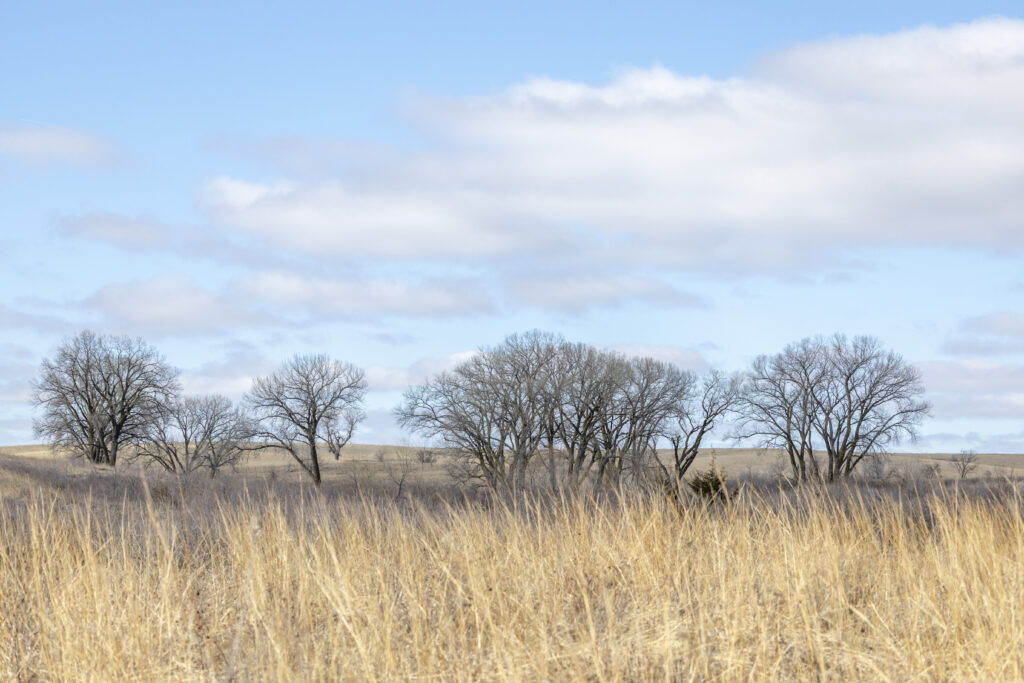
Commodity crop production is erasing North American grasslands at a rate of nearly 2 million acres per year, according to research published by the World Wildlife Fund this month. The conversion targets vast tracts primarily for corn, soybeans, and wheat cultivation, marking the first comprehensive survey to quantify the scale of this habitat loss across the continent.
The findings establish agricultural expansion as a primary driver of grassland destruction at a pace that outstrips natural recovery. Researchers at WWF documented the conversion patterns across multiple regions where native grasslands once dominated the landscape. These ecosystems span from the Great Plains through the Prairie Pothole region and extend into Canada, representing some of North America's most biodiverse and carbon-rich habitats.
Grasslands store carbon in their soils at rates comparable to forests. When plowed for commodity crops, this stored carbon releases into the atmosphere while the land's capacity to sequester future carbon diminishes. The annual loss of 2 million acres translates to a cumulative carbon emission impact equivalent to removing millions of vehicles from roads each year, though grassland conversion receives far less policy attention than deforestation.
The ecological consequences extend beyond climate. Native grasslands support specialized wildlife populations, including ground-nesting birds, pollinator species, and prairie-dependent mammals. Monoculture crop systems replace this biodiversity with simplified plant communities that provide minimal habitat value. Species like greater prairie chickens, northern bobwhites, and monarch butterflies have experienced severe population declines tied directly to grassland conversion.
Agricultural interest in grassland conversion intensifies when commodity prices rise. Corn and soybean prices peaked between 2010 and 2012, spurring rapid conversion of Conservation Reserve Program land and native prairie. The USDA's Conservation Reserve Program had protected millions of acres under long-term contracts, yet rental rates on protected land often failed to compete with crop revenue potential, incentivizing landowners to exit the program.
Federal policy currently subsidizes commodity production through crop insurance and direct payments that make grain farming economically attractive regardless of commodity prices. These subsidy structures create persistent pressure on remaining grasslands. Meanwhile, conservation programs like the Conservation Reserve Program operate with limited funding and cannot match agricultural commodity subsidies dollar-for-dollar.
The research identifies hotspots of conversion. The Prairie Pothole region spanning the Dakotas, Minnesota, and into Canada has experienced particularly intense conversion, with implications for waterfowl populations that depend on seasonal wetlands interspersed within grasslands. The Southern Great Plains also showed rapid conversion rates as energy prices fluctuated and agricultural technology improved.
Reversing grassland loss requires policy intervention at multiple levels. Some conservation organizations advocate for strengthening the Conservation Reserve Program by increasing rental rates to compete with crop revenue. Others push for stricter enforcement of the Swampbuster provision, which theoretically prohibits conversion of certain wetland grasslands in exchange for federal farm program participation. Current enforcement remains inconsistent across states.
The WWF research provides quantifiable data that conservation advocates can cite when lobbying for grassland protection measures. States including South Dakota, North Dakota, and Nebraska face decisions about whether to implement stricter conversion restrictions or expand conservation incentive programs. Without intervention, the 2-million-acre annual loss will continue reshaping North America's landscape and accelerating climate emissions from agricultural soils.