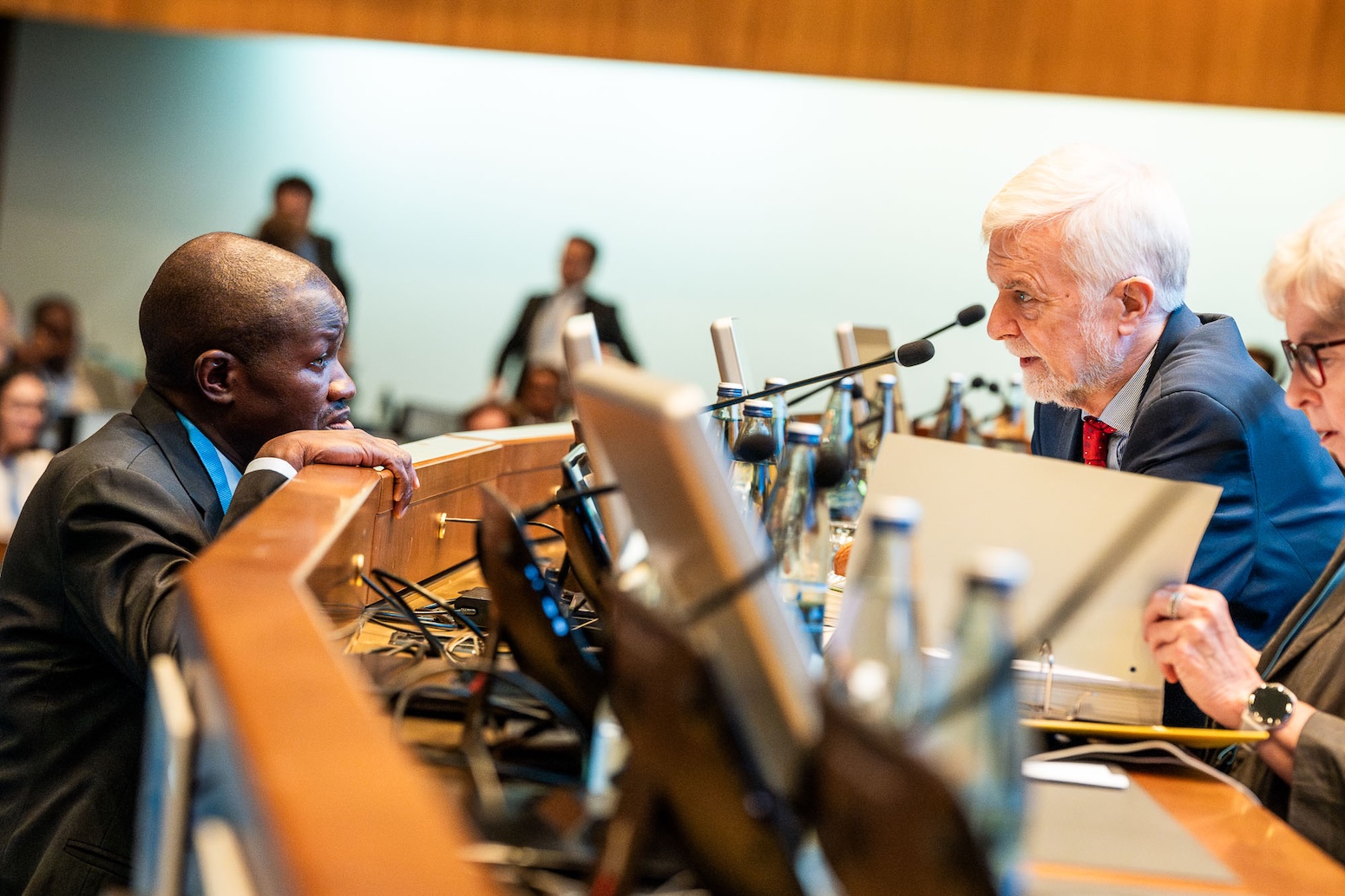
The Intergovernmental Panel on Climate Change (IPCC) concluded its meeting in Ethiopia without resolving a critical procedural impasse that now threatens the organization's ability to deliver timely climate science to policymakers worldwide.
For the sixth consecutive time, IPCC member nations failed to agree on when to publish the panel's next comprehensive assessment report. This deadlock exposes deep fractures within the international climate science governance structure at a moment when governments need authoritative guidance most.
The IPCC operates through a formal approval process where representatives from nearly 200 countries must reach consensus on the timeline for releasing major assessment reports. These reports synthesize thousands of peer-reviewed studies and serve as the scientific foundation for international climate negotiations, including the annual Conference of the Parties (COP) meetings. The assessment reports typically guide climate policy for five to seven years after publication.
The breakdown in Ethiopia reflects competing national interests. Some nations, particularly small island states and least-developed countries facing immediate climate threats, want the next assessment published as soon as possible. They argue that delayed reporting means delayed policy responses and more lives at risk. Other countries, including major emitters and fossil fuel-dependent economies, have resisted accelerated timelines, effectively stalling the process through procedural objections.
This sixth failure to decide on a publication schedule creates a vacuum of institutional authority. Without a confirmed timeline, the IPCC cannot efficiently allocate scientific resources, coordinate author workloads across its three working groups, or communicate expectations to the global research community. Scientists participating in IPCC assessments work without compensation, donating thousands of hours to synthesize climate literature. Uncertainty about deadlines compounds the burden.
The timing proves particularly problematic. The previous major IPCC assessment was completed in 2023. Typically, a new comprehensive report would appear within five to seven years, positioning it for the 2028 or 2029 policy cycles. Prolonged delays push against this window, potentially leaving a years-long gap where policymakers operate without updated scientific consensus on climate impacts, adaptation pathways, and mitigation targets.
Carbon Brief reported that participants used the phrase "profound disappointment" to characterize the meeting's outcome. The emotional language reflects the frustration among climate scientists and vulnerable nations over what amounts to procedural obstruction during an escalating climate emergency.
The IPCC has alternative paths forward. The panel's executive committee could establish a timeline administratively, bypassing the consensus requirement for certain decisions. Member nations could also schedule another extraordinary meeting specifically to resolve the publication timeline question. Neither option has been formally adopted.
This breakdown exposes how international climate governance remains hostage to nation-state interests. The IPCC was designed as a scientific body, not a political institution. Yet its work requires political approval at every major milestone. When geopolitical interests diverge sharply, the panel becomes paralyzed, unable to fulfill its mandate to provide timely, accurate climate science to inform policy.
The stakes extend beyond institutional embarrassment. Every year of delay compounds the risk that policymakers operate on outdated climate science as the climate system accelerates toward new tipping points.