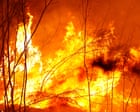
Colonisation of Australia triggered a "catastrophic wildfire loop" that increased bushfire risk in south-east Australia, according to research conducted by scientists working with the Gunaikurnai Land and Waters Aboriginal Corporation.
The study found that land use shifts following 1788 transformed open woodlands into dense forests. This vegetation change produced more intense fires, researchers determined. The shift correlates with the loss of cultural burning practices that Indigenous peoples had maintained for thousands of years.
Before European colonisation, Aboriginal land management techniques including strategic, low-intensity burning maintained open woodland ecosystems. These practices reduced fuel loads and limited the conditions for catastrophic wildfires. After 1788, colonisation disrupted these fire regimes, allowing forests to densify. Denser vegetation accumulates more fuel, creating conditions for hotter, more destructive fires.
The research highlights how environmental management practices developed over millennia were abandoned during colonisation. The loss of these practices, combined with climate change, now generates conditions favourable to severe bushfires. Dense forests burn more intensely than managed woodlands, creating feedback loops that intensify fire risk.
The study represents collaboration between academic researchers and the Gunaikurnai Land and Waters Aboriginal Corporation, centering Indigenous knowledge in understanding Australia's fire ecology. The findings suggest that restoring cultural burning practices could reduce wildfire intensity in affected regions.
The research contributes to growing scientific recognition that Indigenous fire management offers practical solutions for contemporary bushfire prevention. South-east Australia remains particularly vulnerable to climate-driven fires, making the restoration of these practices relevant to current fire management policy.