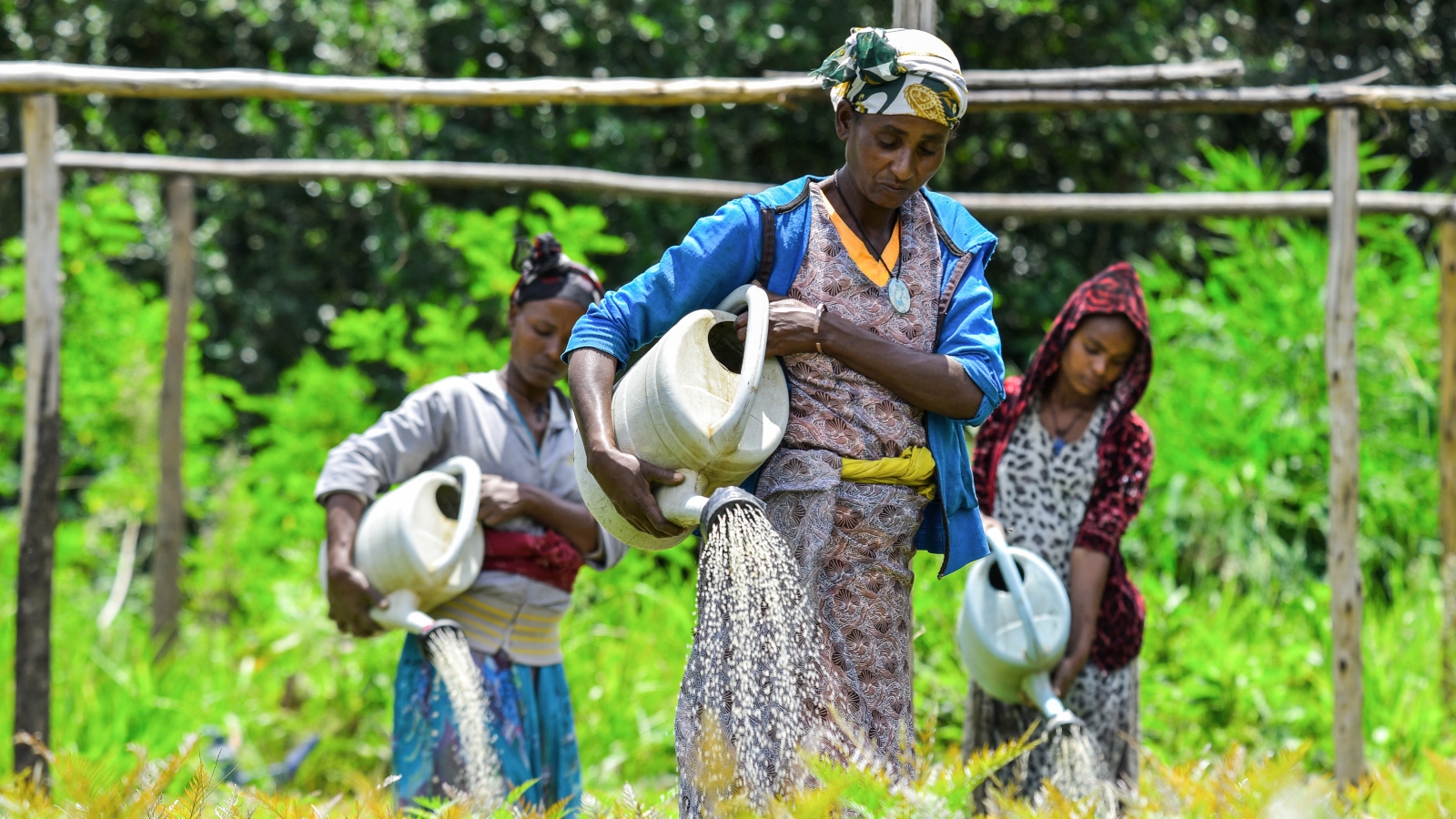
Ethiopia launches one of the world's most ambitious tree-planting campaigns to combat deforestation that has left the country vulnerable to intensifying floods and droughts. The initiative aims to plant fifty billion seedlings across the nation.
Deforestation has ravaged Ethiopia's landscape, stripping away forest cover that historically protected the country from extreme weather. Without these forests, residents face worsened flooding during rainy seasons and severe droughts during dry periods. The environmental degradation threatens agricultural productivity and water security for millions of people.
The tree-planting effort represents a well-funded attempt to restore native forests and reverse decades of habitat loss. Officials view reforestation as essential to stabilizing the climate patterns that affect the country's survival.
However, similar large-scale tree-planting projects in other nations have frequently underperformed. Success rates vary widely depending on implementation quality, species selection, soil conditions, and ongoing maintenance. Tree survival rates in some countries have fallen far short of initial goals, raising questions about whether Ethiopia's ambitious fifty billion seedling target will translate into functional, thriving forests.
The project's success depends on addressing the root causes of deforestation while ensuring newly planted trees receive adequate care and establish themselves in their new environments. Ethiopia's efforts demonstrate growing recognition that forest restoration offers one pathway toward building climate resilience and reducing vulnerability to extreme weather.