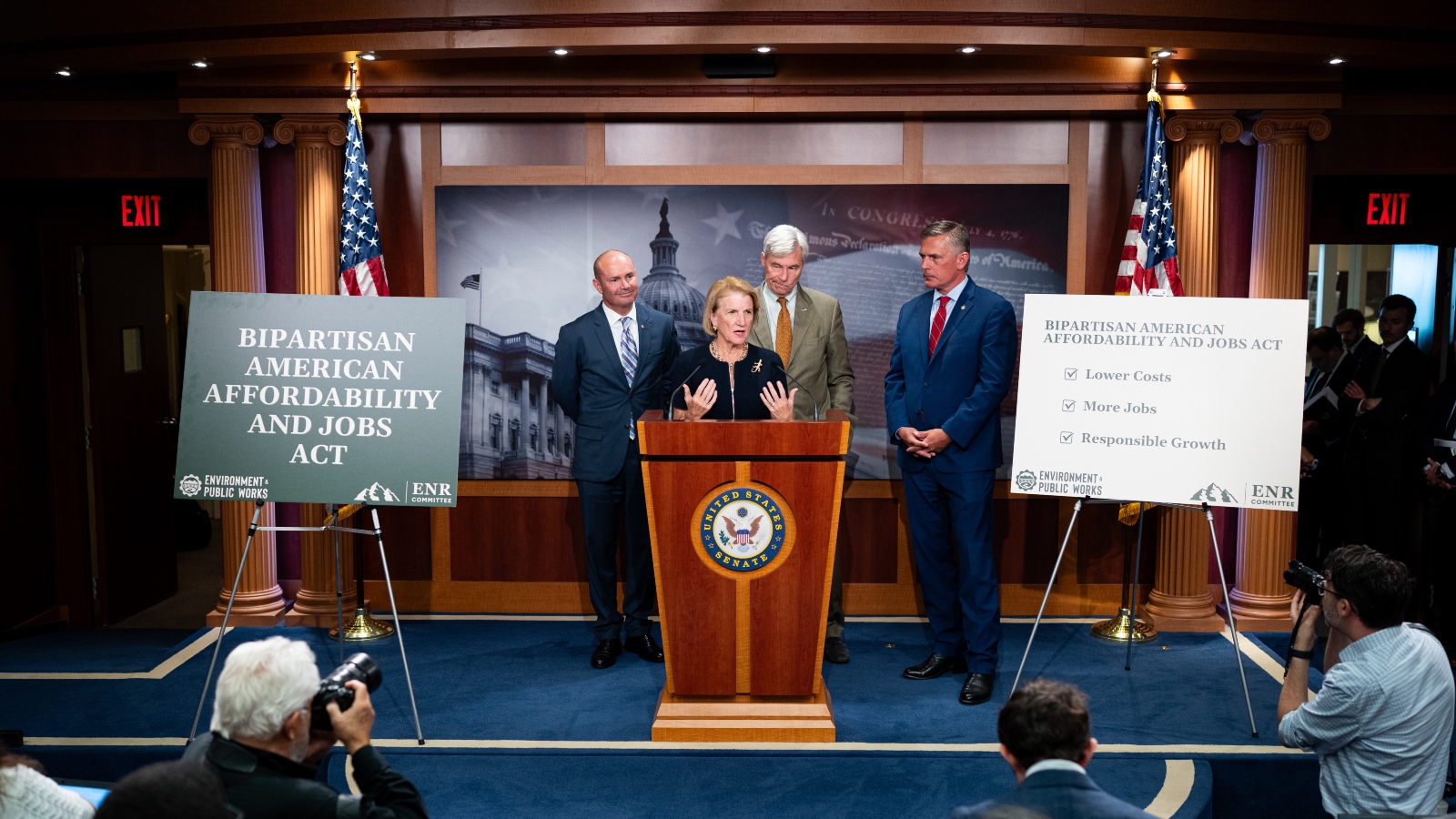
A bipartisan permitting reform proposal divides climate advocates over its approach to accelerating renewable energy development, according to Grist.
The proposal aims to streamline the construction of renewable energy projects by reforming federal permitting processes. Supporters argue that faster permitting timelines would remove obstacles preventing renewable energy deployment. Critics within the climate movement worry the reforms could harm communities and environmental protections.
The tension reflects a fundamental disagreement about how quickly to transition away from fossil fuels. Some climate advocates prioritize rapid renewable energy buildout, viewing permitting delays as the primary barrier to decarbonization. Others contend that weakening environmental reviews and community consultation processes would create unacceptable tradeoffs.
Grist reports the proposal has attracted backing from both Democrats and Republicans, an unusual bipartisan alignment on energy policy. This cross-party support signals broad political appetite for reducing permitting timelines, though the specific provisions remain contested.
The permitting debate represents a clash between competing climate priorities. Renewable energy infrastructure requires land, materials, and grid connections. Environmental reviews and community input processes were established to evaluate impacts including habitat disruption, land use changes, and local effects. Streamlining these processes could accelerate renewable deployment but potentially limit oversight of those impacts.
The disagreement centers on whether existing permitting frameworks constitute an unacceptable bottleneck justifying reform, or whether those frameworks provide necessary protections that should remain in place. This fundamental question about balancing speed against precaution has fractured what is typically a unified climate movement on energy policy.
The proposal's final form will determine whether it achieves its renewable acceleration goals while preserving environmental and community safeguards, or whether it sacrifices the latter for the former.