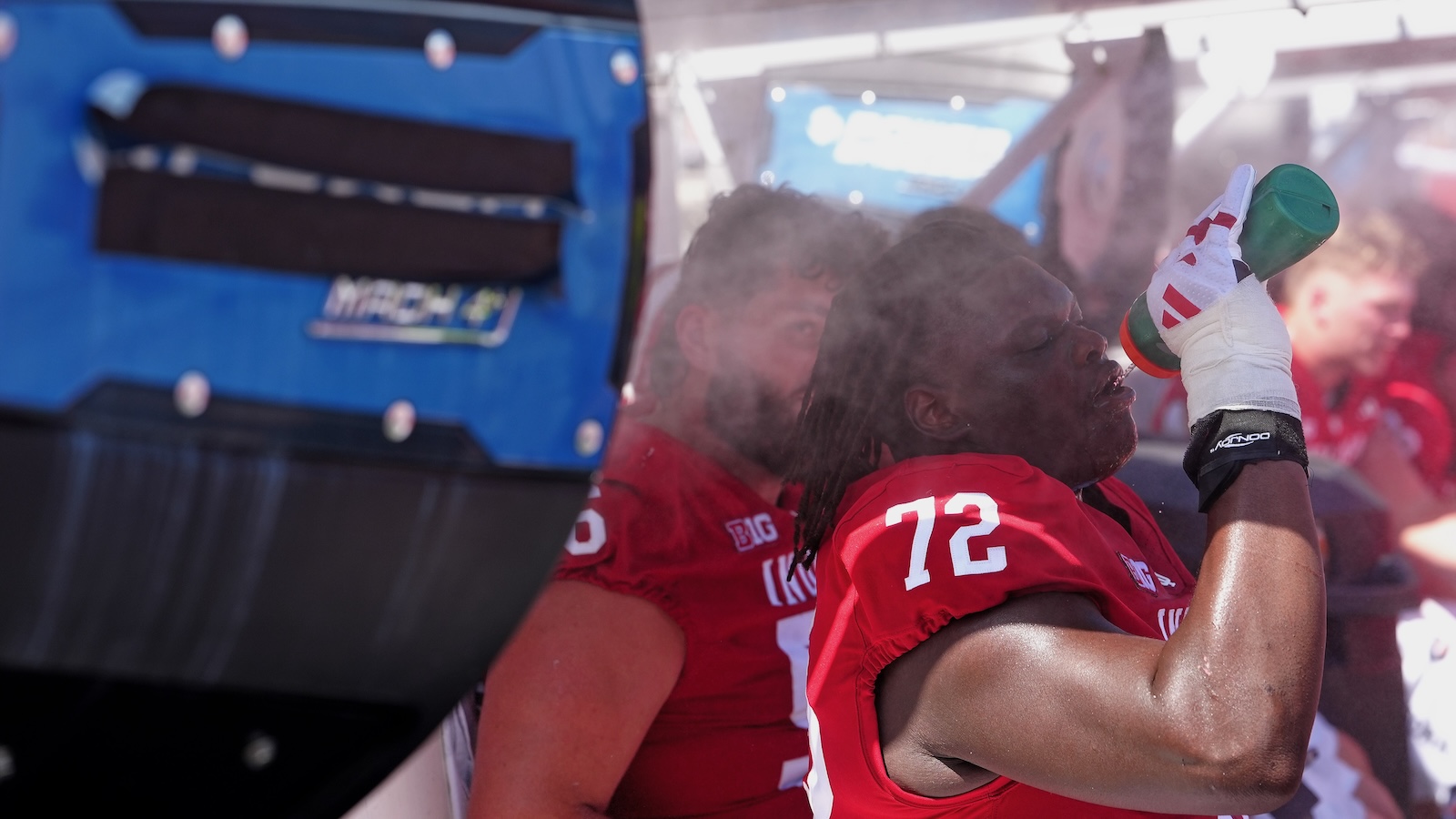
Matthew Mayich, a student athlete, ended up on life support after extreme heat exposure, highlighting gaps in heat illness prevention across athletics programs.
Researchers have understood how to prevent and treat heat illness for decades, according to Grist. Despite this established knowledge, a patchwork of inconsistent policies leaves athletes vulnerable to heat-related emergencies.
The case underscores a disconnect between scientific understanding and practical implementation. While prevention and treatment protocols exist, their application varies widely across different schools and sports organizations. This inconsistency means some athletes receive robust protections while others operate under minimal safeguards.
Heat illness poses serious risks during athletic training and competition, particularly during high temperatures or intense physical exertion. The condition can escalate rapidly from heat exhaustion to life-threatening heat stroke, which damages organs and can cause permanent injury or death.
Mayich's experience demonstrates that even serious, well-publicized cases have not yet translated into uniform safety standards nationwide. The fragmented approach to heat illness policy means prevention depends partly on where an athlete trains rather than on consistent, evidence-based standards.
Researchers and public health experts have documented effective strategies for reducing heat illness risk, including hydration protocols, acclimatization periods for athletes new to intense training, appropriate rest breaks, and monitoring for warning signs. These measures work when implemented properly.
The article suggests that stronger, more uniform policies across athletic programs could prevent similar incidents. Until standardized protocols become mandatory across all levels of athletics, athletes remain at uneven risk depending on their school or organization's chosen approach to heat safety.