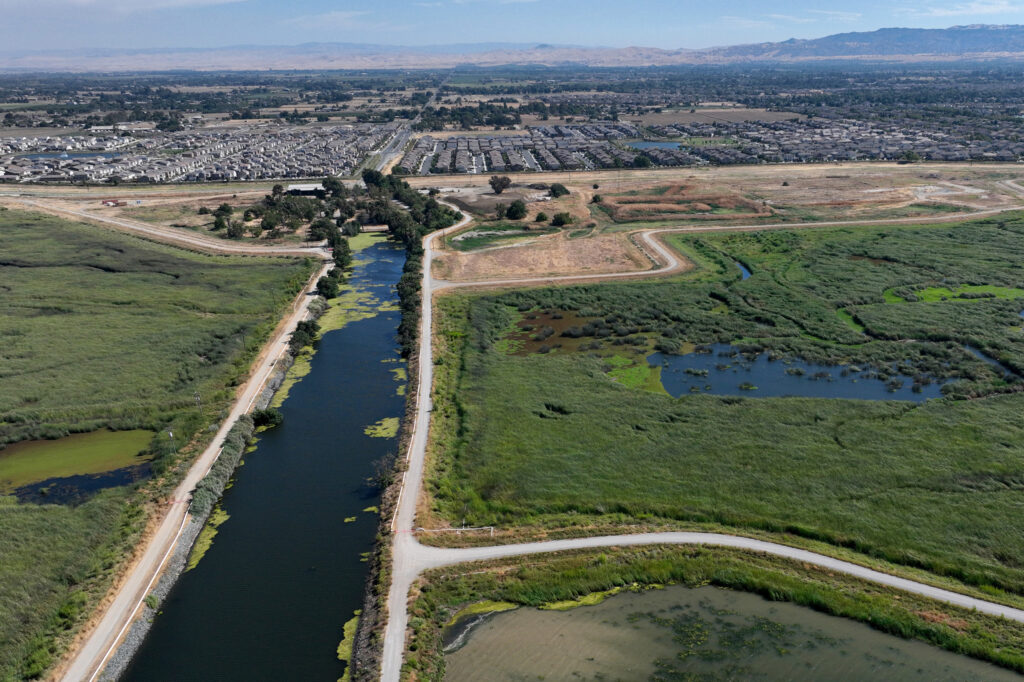
Coastal wetlands protect communities from flooding and storms, yet insurance companies have historically overlooked their value in risk reduction. Megan Kelso, a coastal ecologist who studied conservation practices around San Francisco Bay, discovered that insurance industry decisions significantly influence wetland health outcomes.
Wetlands absorb large volumes of water and buffer coastal areas against storm surge and flooding. Despite this protective capacity, the insurance sector has not consistently factored wetland conservation into underwriting decisions or premium calculations. This gap represents a missed opportunity for both environmental protection and financial savings.
Nature-based solutions like wetland restoration can reduce flood risk and storm damage, potentially lowering insurance payouts. Insurers and policyholders could save billions of dollars by investing in these ecological approaches rather than relying solely on traditional infrastructure like seawalls and levees. Wetland preservation also provides co-benefits including habitat restoration, carbon sequestration, and water quality improvement.
The research highlights how corporate decision-making in the financial sector shapes environmental outcomes. Insurance companies control capital flows and risk assessment frameworks that influence land management practices. When insurers recognize wetlands as risk-mitigation assets, they gain incentive to support conservation efforts.
Kelso's work demonstrates that protecting natural ecosystems delivers measurable economic benefits beyond environmental gains. As climate change increases storm intensity and coastal flooding frequency, nature-based solutions offer cost-effective adaptation strategies. The insurance industry's recognition of wetland value could unlock significant funding for coastal restoration projects while simultaneously reducing claims and improving community resilience.