India's power sector has maintained flat carbon dioxide emissions over two consecutive years, driven by rapid expansion of clean energy capacity. The stalling of emissions growth marks a significant shift in India's energy trajectory, as renewable sources have increasingly displaced coal-fired generation.
The clean energy surge has offset what would otherwise have been rising emissions from India's growing electricity demand. As the country's economy expands and more people gain access to electricity, power consumption continues to climb. Without the parallel buildout of wind, solar, and other renewable sources, these emissions would have increased substantially.
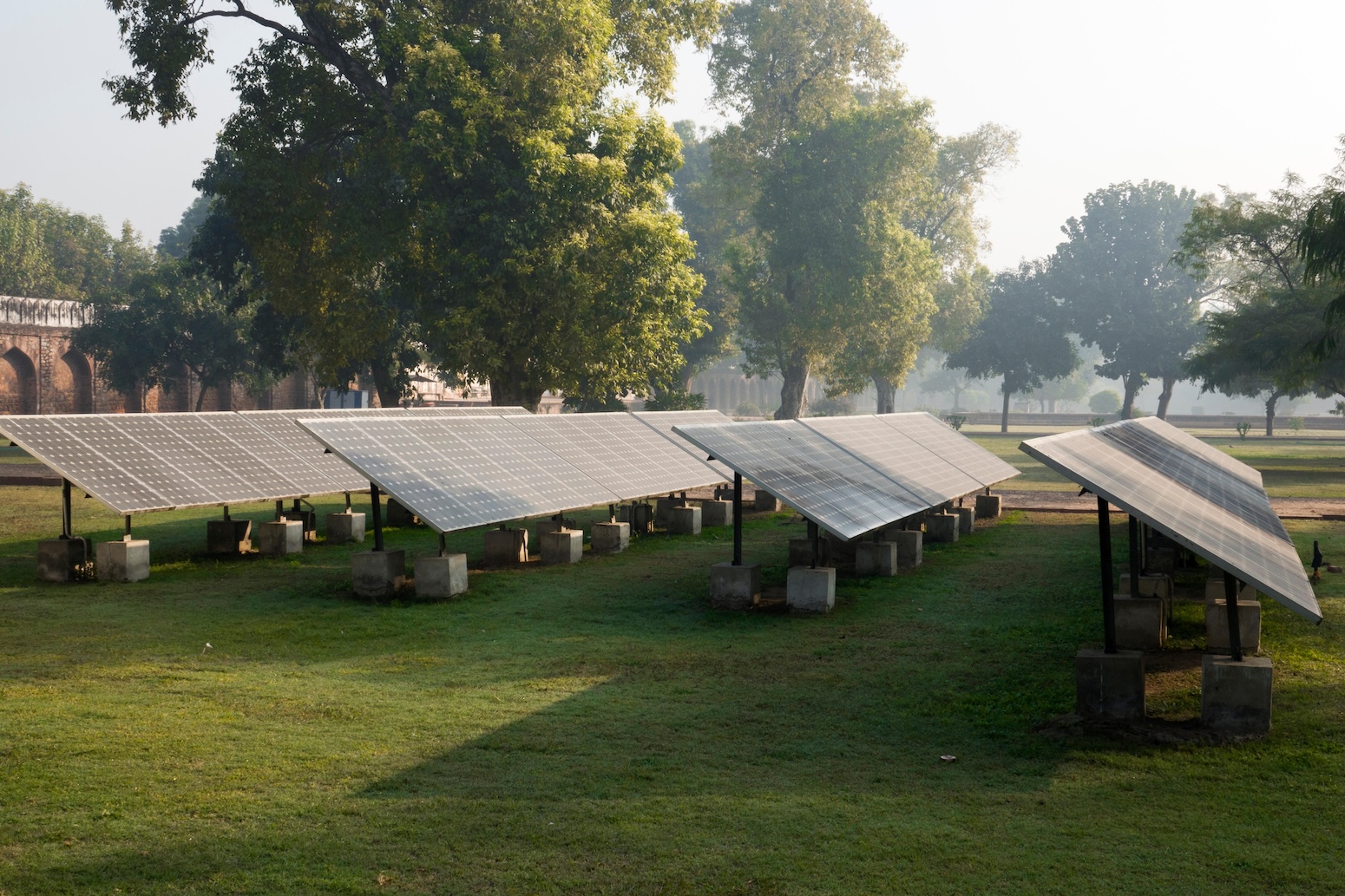
India has emerged as a global leader in renewable energy deployment. The nation has dramatically scaled up solar and wind installations in recent years, adding significant capacity to its grid. This expansion represents a deliberate policy shift toward cleaner electricity generation as India balances development needs with climate commitments.
The flat emissions trajectory in the power sector contrasts with historical patterns of rising carbon output tied to economic growth. Power generation traditionally accounts for a substantial share of India's total greenhouse gas emissions, making the sector critical to the country's climate performance.
The achievement reflects India's renewable energy targets and investment in solar farms and wind projects across multiple states. Government initiatives have supported this transition, though coal remains a significant component of India's energy mix.
Maintaining this emissions plateau while electricity demand grows presents an ongoing challenge. India must continue expanding renewable capacity faster than electricity consumption increases to achieve further reductions. The coming years will test whether India can sustain the clean energy momentum or if rising demand will eventually push emissions upward again.