# Chinese Electric Vehicle Manufacturers Accelerate Market Penetration in Brazil
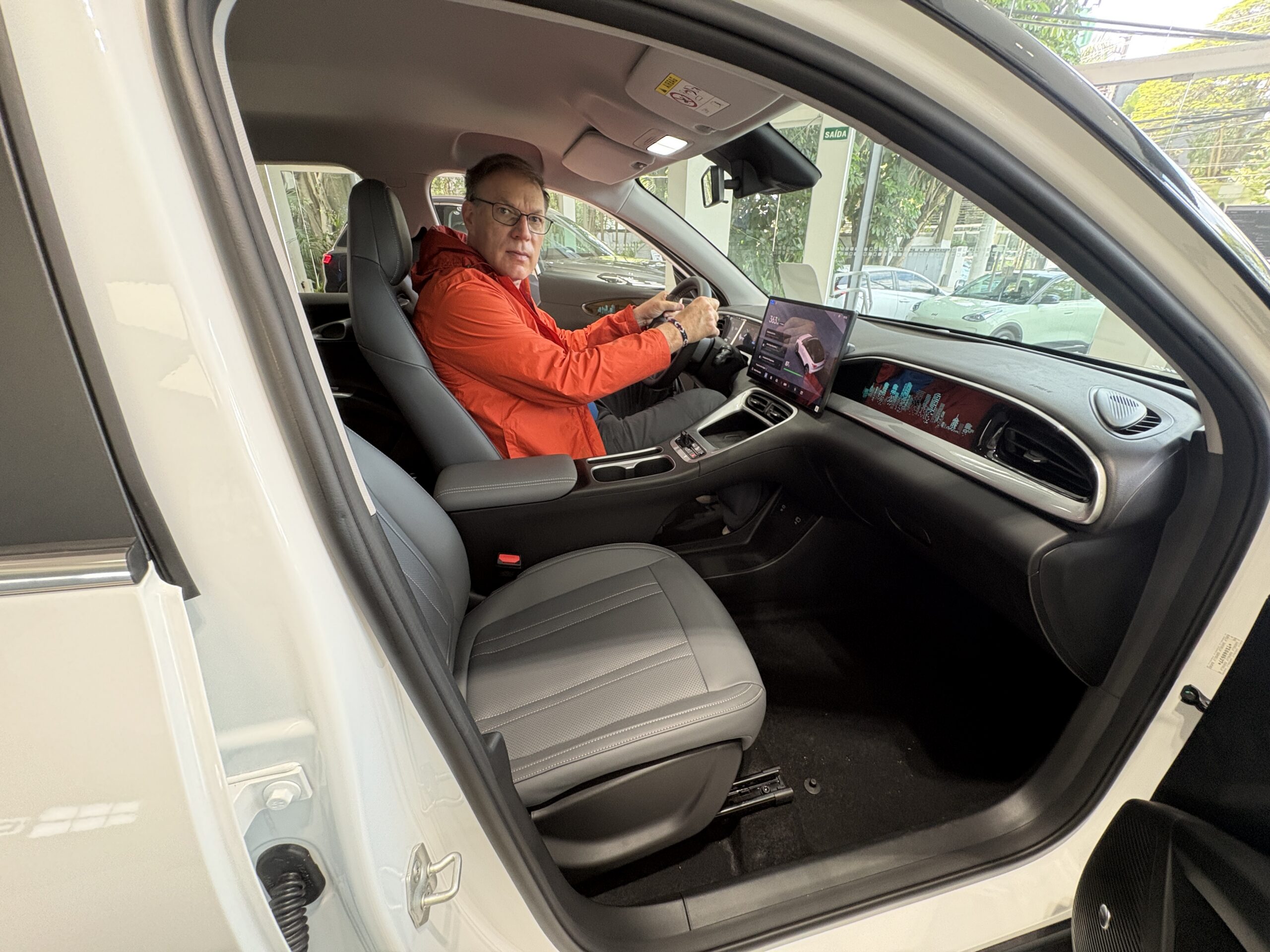
Chinese automakers are reshaping Brazil's vehicle market through aggressive dealer expansion and local assembly operations. A recent on-the-ground assessment in Sao Paulo documented active Chinese brand dealerships selling both imported and domestically assembled vehicles, signaling the scale of this market shift in Latin America's largest economy.
The expansion reflects a broader strategy by Chinese manufacturers to bypass tariff barriers and establish regional manufacturing footprints. By assembling vehicles locally in Brazil rather than importing finished units, companies reduce costs and navigate trade restrictions that protect domestic and international competitors. This approach mirrors tactics deployed across Asia and Africa, where Chinese brands have captured market share by offering affordable electric and conventional vehicles.
Brazil represents a critical test market for Chinese automakers for several reasons. The country hosts South America's most developed automotive industry, with established Toyota, Volkswagen, and General Motors operations. It also serves as a gateway to wider Mercosur markets covering Argentina, Paraguay, and Uruguay. Success in Brazil validates manufacturing and distribution models these companies plan to replicate across the region.
The dealer network expansion matters because it indicates Chinese manufacturers are committing long-term capital and building service infrastructure. A functioning dealer network requires parts inventory, trained technicians, financing partnerships, and after-sales support. The presence of multiple dealers in a single metropolitan area like Sao Paulo suggests coordinated market development rather than opportunistic selling.
Several Chinese brands have established production capacity in Brazil in recent years. BYD, the world's largest EV manufacturer by volume, operates plants in the country. JAC Motors and Chery have also announced or launched local assembly lines. These investments create employment while enabling these companies to claim "made in Brazil" credentials for export purposes.
The environmental implications diverge based on vehicle type. Electric vehicles assembled in Brazil reduce transportation emissions and support the country's renewable energy grid, which generates roughly 65 percent of its electricity from hydropower and biomass. However, Chinese brands also produce conventional combustion engines at lower price points, potentially extending the lifespan of gasoline vehicles in the market.
Competition from Chinese entrants pressures established manufacturers to accelerate EV development and lower prices. Brazil's transition away from fossil fuel vehicles accelerates when more affordable options reach consumers. Conversely, if Chinese brands primarily serve lower-income segments with affordable conventional vehicles, overall electrification may slow.
Brazilian authorities have expressed interest in attracting EV manufacturing. The government has discussed tax incentives and reduced import duties for vehicle assembly operations, seeking to position Brazil as a regional EV hub rather than merely a consumer market. Chinese manufacturers are among the few companies with capital and expertise to execute large-scale EV production at competitive costs.
The dealer network observations from Sao Paulo provide evidence that Chinese automakers view Brazil not as a temporary market but as a permanent operational base. This shift has begun reshaping the region's automotive landscape and will influence emissions trajectories across South America for the next decade.