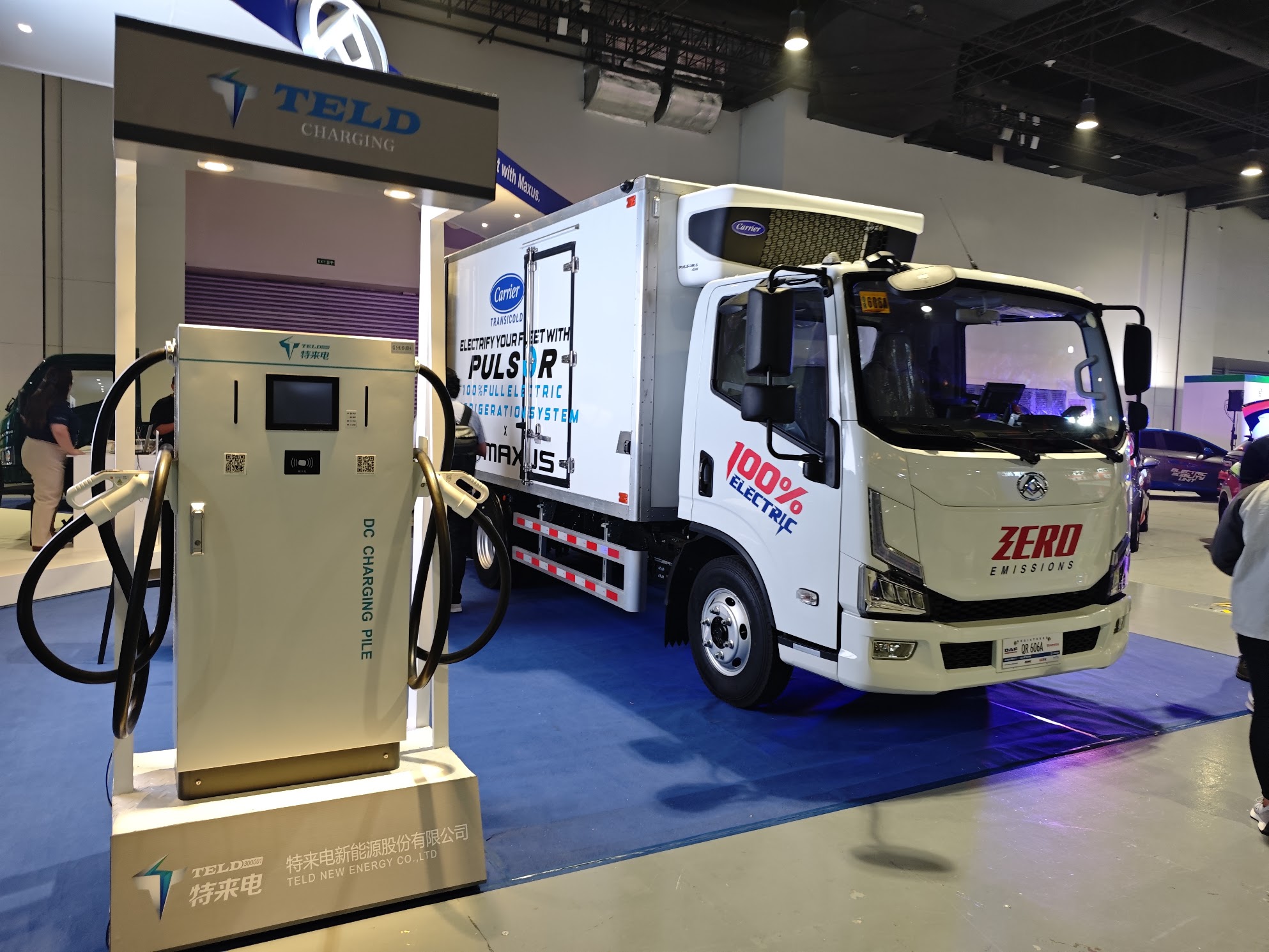
The 14th Philippine Electric Vehicle Summit, scheduled for October, functions as a critical assessment of the nation's EV transition rather than a conventional automotive showcase. The event exposes gaps between Manila's stated climate commitments and the actual pace of vehicle electrification across the archipelago.
The Philippines has committed to carbon neutrality by 2050 under its Nationally Determined Contributions filed with the UN Framework Convention on Climate Change. Transportation accounts for approximately 27 percent of the country's greenhouse gas emissions, with light-duty vehicles representing a substantial portion of that total. Yet EV adoption rates remain among the lowest in Southeast Asia. As of 2024, battery electric vehicles comprised less than 2 percent of new vehicle sales in the Philippines, compared to 14 percent across the broader ASEAN region.
The summit provides a platform to examine whether government policies match climate rhetoric. The Department of Energy and Department of Trade and Industry have proposed tax incentives for EV purchases and manufacturing. Import duties on electric vehicles face potential reduction through pending legislation. Charging infrastructure rollout lags considerably behind demand, however, with fewer than 500 public charging stations operational nationwide as of mid-2026. That infrastructure deficit directly constrains consumer adoption rates.
The event also surfaces questions about local manufacturing capacity. The Philippines hosts several vehicle assembly plants but produces minimal EV components domestically. Supply chain vulnerabilities create dependency on imported batteries and powertrain systems, inflating final purchase prices for consumers. A 2025 assessment by the Asian Development Bank found that without targeted industrial policy, the Philippines risks becoming an EV consumer market without corresponding domestic manufacturing benefits.
Utility companies have signaled concerns about grid capacity. The National Grid Corporation of the Philippines warns that rapid EV adoption without corresponding investments in generation and transmission infrastructure could strain capacity during peak charging hours. Current proposals for a mandatory renewable energy portfolio standard exist, but specific timelines for grid modernization remain unclear.
Labor transition questions loom as well. The automotive sector employs roughly 250,000 workers in the Philippines. Retooling traditional internal combustion engine assembly lines for EV production requires workforce retraining initiatives that government agencies have only begun to operationalize. Without targeted vocational programs, EV transition risks generating employment disruption in manufacturing regions.
Consumer affordability represents the largest barrier. A baseline electric sedan in the Philippine market costs roughly 2.5 million Philippine pesos, approximately 44,000 USD, pricing out most middle-class buyers. Government subsidies announced thus far total insufficient amounts to materially narrow this affordability gap. Comparative pricing in neighboring Indonesia and Thailand shows that regional competition could pressure the Philippines to accelerate incentive programs.
The summit's true value lies in making visible the distance between ambition and implementation. Attendees will see prototype vehicles, examine charging networks on maps, and hear speeches celebrating electrification targets. Below that surface, the exhibition reveals structural obstacles: a power grid needing reinforcement, a manufacturing base requiring capital investment, a workforce needing retraining, and a consumer base facing prices beyond reach. These constraints shape whether the Philippines' climate pledges translate into tangible emissions reductions or remain aspirational declarations.