# Disaster Recovery Fraud Threatens Hawaii's Climate-Vulnerable Communities
Hawaii property owners rebuilding after recent disasters face a second threat beyond storm damage itself. Scammers exploit the chaos of disaster recovery to defraud vulnerable homeowners and business operators, draining resources meant for reconstruction.
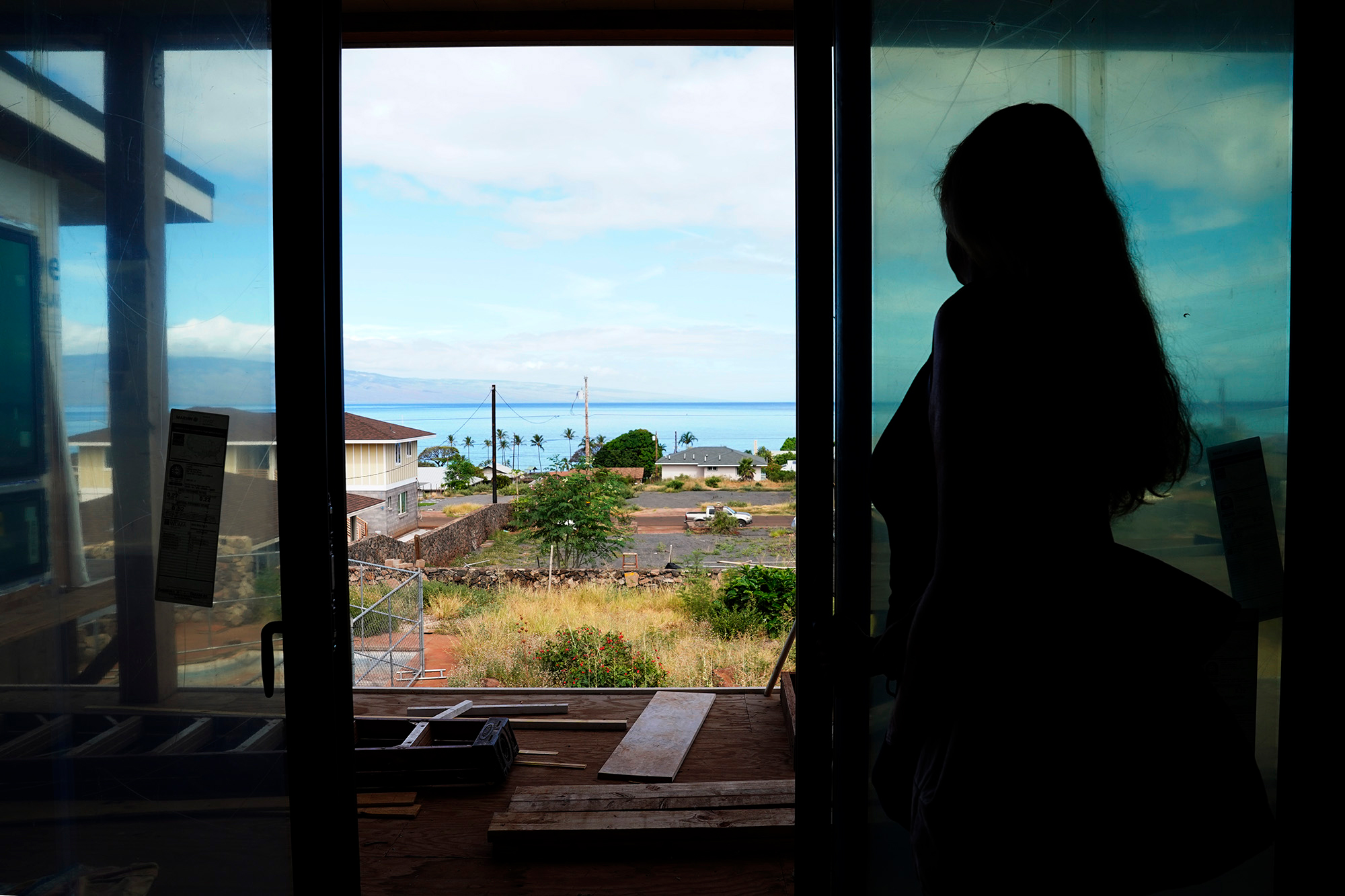
Kauai and Hawaii island residents currently assess damage from downed trees, utility poles, and sewage-contaminated flooding. The scale of destruction creates ideal conditions for fraud. Property owners desperate to rebuild quickly become targets for contractors offering inflated estimates, demanding upfront payments, then vanishing. Other schemes involve fake insurance adjusters or government representatives soliciting personal information or money.
The Hawaii property recovery crisis reflects a broader pattern. After natural disasters, fraud complaints spike nationally. The Federal Trade Commission tracked this pattern after hurricanes, wildfires, and floods across the mainland. Scammers impersonate disaster relief officials, contractors, or utility companies. They demand payment for services never delivered or collect sensitive data used for identity theft.
Hawaii faces compounding vulnerability. The islands sit in the Pacific typhoon belt. Climate change intensifies storm frequency and rainfall intensity. The National Center for Atmospheric Research documented that warming oceans fuel stronger tropical cyclones, increasing flood risk for coastal communities. These climate-driven disasters will recur regularly, creating repeated windows for exploitation.
Property owners should verify contractor credentials through the Hawaii Department of Commerce and Consumer Affairs licensing database before hiring anyone. Legitimate contractors provide written estimates with itemized costs, carry licensing documentation, and maintain insurance. Homeowners should never pay the full amount upfront. Standard practice requires deposits of 25 to 50 percent, with final payment upon completion.
Government assistance programs offer legitimate rebuilding support. Hawaii residents can apply through FEMA disaster assistance programs or the Small Business Administration disaster loans. These carry no upfront fees. Any representative claiming otherwise operates fraudulently. The state's Disaster Recovery Office publishes verified lists of approved contractors and resources on its website.
Identity theft compounds disaster losses. Fraudsters obtain personal information during cleanup efforts, then open credit accounts or drain savings. Property owners should monitor credit reports closely during recovery periods using free annual reports from AnnualCreditReport.com. Placing fraud alerts with credit bureaus costs nothing and requires creditors to verify identity before opening new accounts.
Insurance companies sometimes employ adjusters to assess damage. Property owners can request proof of employment before sharing documentation or access to damaged property. Legitimate adjusters carry company-issued identification and can be verified through direct contact with the insurer's main office, not phone numbers provided by the adjuster.
Community-based organizations in Hawaii assist disaster victims. The Hawaii Resilience Fund and local nonprofits provide guidance on legitimate recovery resources, contractor vetting, and fraud prevention. Residents can contact the state attorney general's office to report suspected scams, triggering investigations that protect future victims.
The recovery process stretches across months. Scammers count on urgency and emotional distress to cloud judgment. Taking time to verify credentials and check references, though it delays rebuilding, prevents financial devastation layered atop physical loss. As climate-driven disasters become routine for Hawaiian communities, resilience requires both reconstruction skills and fraud awareness.