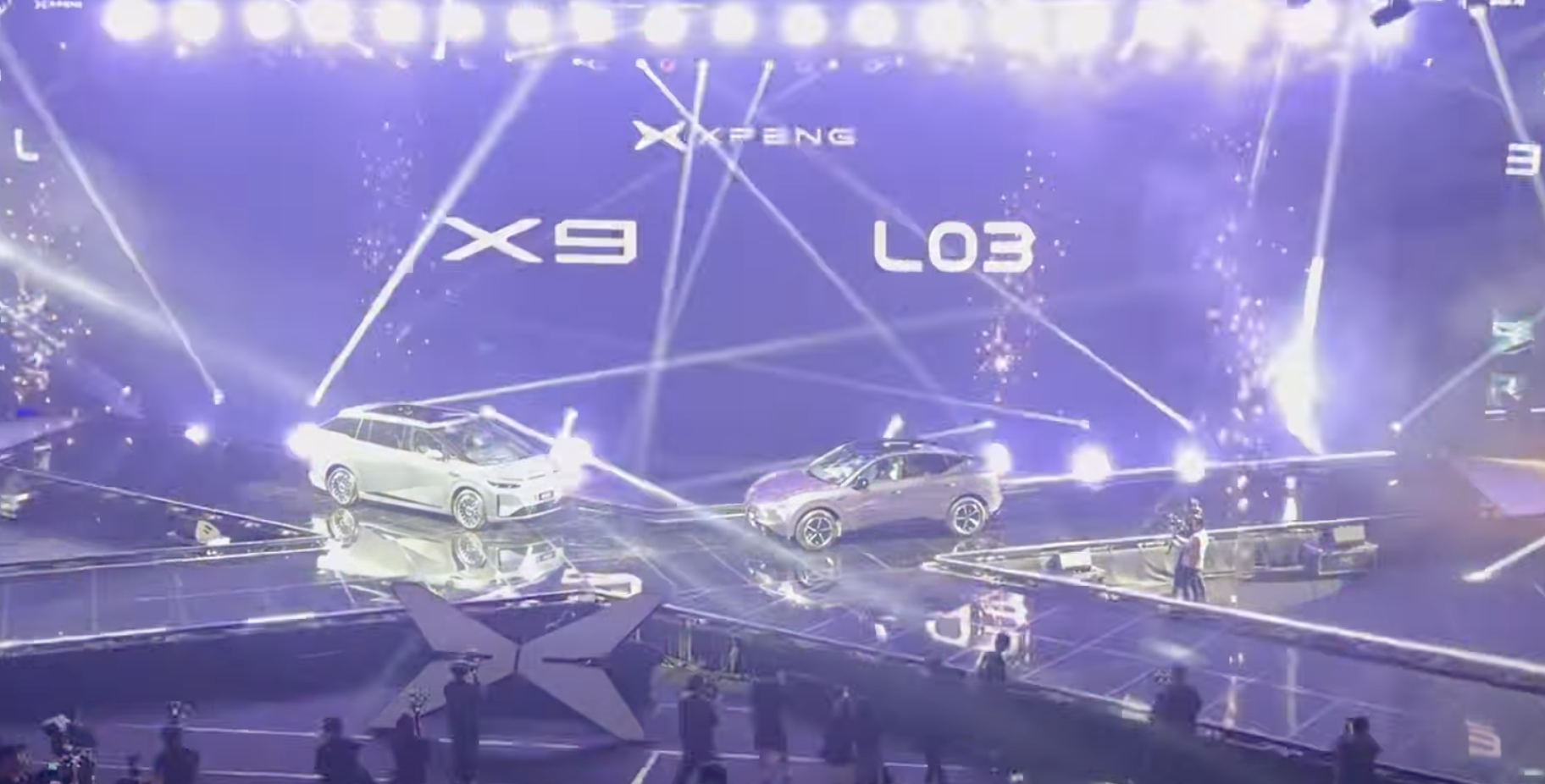
XPENG, the Chinese EV manufacturer, formally entered the Philippine market on September 25, unveiling six vehicle variants in Manila. The company's product lineup includes three battery-electric versions of the L03 sedan, one range-extended L03 model, and two versions of the X9 electric multipurpose vehicle.
The L03 positions itself as a mid-size sedan competing in the mass-market segment. Its three battery options address different consumer needs across price points and driving range. The range-extended variant combines a smaller battery with a combustion engine, targeting buyers concerned about charging infrastructure in regions where EV adoption remains nascent.
The X9 represents XPENG's entry into the family vehicle category. As an electric MPV, it targets households seeking seven-seat capacity without fossil fuel engines. Two versions suggest differentiation in battery capacity or performance specifications.
The Philippines represents XPENG's expansion into Southeast Asia, a region where EV penetration remains below 5 percent of total vehicle sales. Chinese EV manufacturers, including BYD and NIO, have prioritized Southeast Asian markets as population centers with growing incomes and regulatory environments increasingly receptive to electrification.
XPENG's strategy emphasizes product breadth over singular offerings. By deploying six variants immediately, the company addresses multiple consumer segments and use cases. This approach differs from early EV launches that offered limited configurations. The range-extended L03 particularly targets consumers hesitant about charging networks.
The Philippine market presents both opportunity and constraint. The country's vehicle market exceeds 1.3 million units annually, yet EV adoption faces infrastructure gaps outside Metro Manila. Charging networks remain concentrated in urban centers. XPENG's decision to include range-extended technology acknowledges this reality while pushing electrification forward.
XPENG has positioned itself as an upper-middle-tier manufacturer within China's competitive EV landscape. The company competes against BYD, Li Auto, and Nio domestically while expanding internationally. Its vehicle designs emphasize digital integration and autonomous features, differentiating from legacy automakers.
The launch reflects broader Asian EV industry momentum. Chinese manufacturers control approximately 60 percent of global EV production. Southeast Asia represents underpenetrated territory where these companies deploy newer models and aggressive pricing.
Pricing information remains crucial to the launch's success. Philippine tariff structures favor locally assembled vehicles, potentially disadvantaging imports. XPENG's entry strategy, whether through local assembly partnerships or direct imports, will determine competitiveness against local brands and regional competitors.
The formal launch validates XPENG's commitment to the region. Marketing campaigns in the Philippines require addressing range anxiety through charging infrastructure collaboration, dealer network establishment, and warranty support systems. Post-purchase customer experience determines brand loyalty in developing automotive markets.
XPENG joins a crowded field of Chinese EV manufacturers targeting Southeast Asia. Success depends on product reliability, pricing competitiveness, and service network density. The company's six-variant launch indicates confidence in demand, though Philippine EV adoption rates historically lag global trends.