# Trump Administration Pushes for Mining in Critical Wildlife Habitat
The Trump administration is advancing mining operations in the McDermitt Caldera in Oregon, a landscape that supports one of the nation's last stable populations of greater sage grouse. The initiative targets lithium and other critical minerals essential for battery production and clean energy technology, creating a direct conflict between mineral extraction and wildlife conservation.
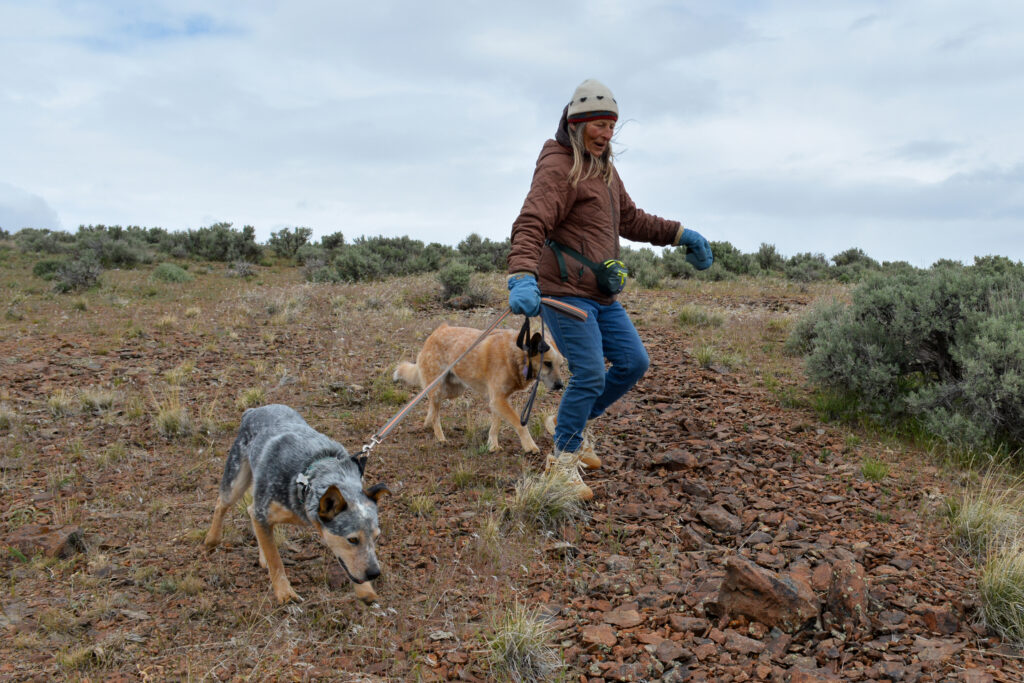
Katie Fite, a local observer, stands among wooden survey stakes marking proposed mining zones. These markers signal the potential destruction of habitat where male sage grouse gather each spring for elaborate courtship displays, a behavior critical to species survival. Greater sage grouse populations have declined roughly 90 percent since the 19th century, with the McDermitt Caldera representing one of the few remaining strongholds for the species.
The administration frames this agenda as necessary for energy independence and reducing reliance on foreign minerals. Lithium, cobalt, and nickel extracted from American soil would theoretically supply domestic battery manufacturing, reducing supply chain vulnerabilities and cutting transportation emissions from overseas mining operations. However, this logic ignores ecosystem costs that biologists say will prove irreversible.
Inside Climate News, working with Columbia Journalism Investigations, investigated this collision between energy policy and conservation. The reporting reveals how federal lands policy under the new administration prioritizes extraction permits over existing environmental protections, including the Endangered Species Act compliance reviews that previously slowed mining projects in sensitive habitats.
The Greater sage grouse never received full protection under the Endangered Species Act, though the species came close to listing multiple times. Instead, conservation relies on a patchwork of state regulations and voluntary agreements with ranchers and energy companies. The McDermitt Caldera population exists outside formal critical habitat designations, leaving it vulnerable to permitting decisions that weigh economic benefits against biological loss.
Mining operations in the Caldera would fragment remaining sage-grouse habitat and introduce industrial infrastructure directly into breeding grounds. Vehicle traffic, noise, and light pollution during spring display season would disrupt mating behavior essential for population reproduction. Even geographically distant operations create cumulative impacts: dust settling on vegetation, altered water tables affecting native plants, and roads providing access that increases human disturbance.
The administration's critical minerals strategy reflects a genuine tension in climate policy. Battery-powered vehicles and renewable energy systems require substantial quantities of lithium, cobalt, and other elements currently dominated by international suppliers like China and Australia. Domestic mining could theoretically reduce carbon emissions from shipping ore across oceans and improve economic security.
Yet the mineral-first approach ignores alternatives: recycling existing batteries recovers lithium and cobalt without habitat destruction. Improving battery chemistry reduces mineral intensity. International cooperation on fair mining standards would pressure overseas operations toward higher environmental standards. These options require longer planning horizons and capital investment upfront.
The McDermitt Caldera case exemplifies how energy policy choices compound ecosystem pressures. Sage grouse face existing threats from climate change, wildfires, invasive plants, and livestock grazing across their remaining range. Adding industrial mining transforms survivable habitat loss into extinction risk.
Federal agencies including the Bureau of Land Management and U.S. Fish and Wildlife Service hold permit authority. Their decisions in coming months will determine whether the Caldera remains a sage-grouse refuge or becomes a lithium mine.