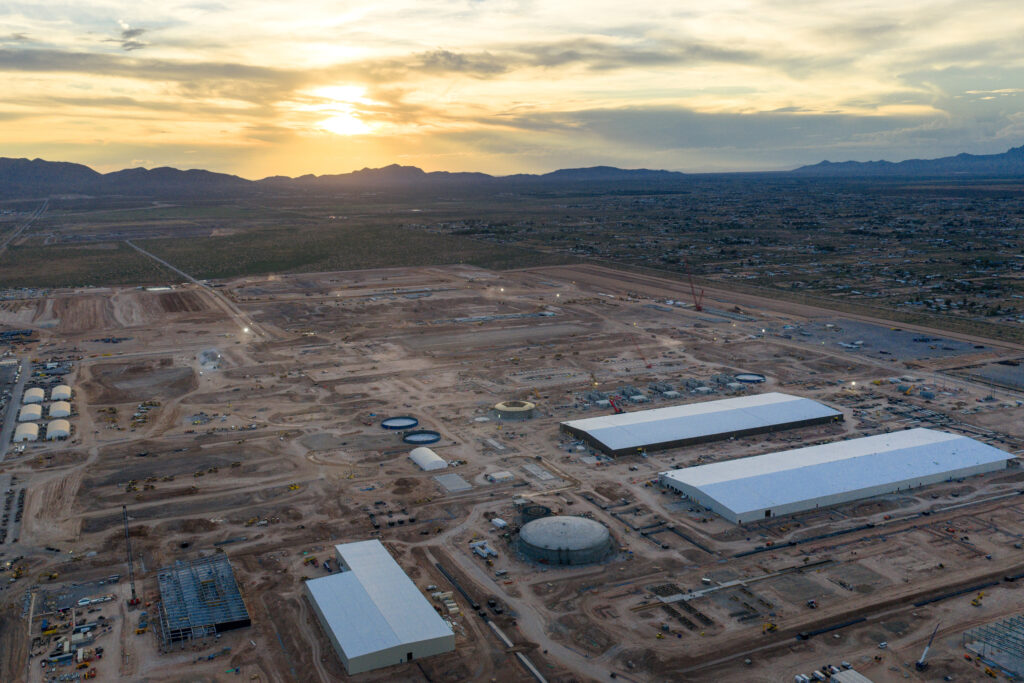
# Texas Electric Utility Only Considered Gas to Power Meta's $10 Billion Data Center
Meta's $10 billion data center project in El Paso, Texas proceeds under a critical constraint. The El Paso Electric utility evaluated only natural gas options to power the facility, despite the project's enormous electricity demands. The 1-gigawatt data center will consume roughly the same power as a mid-sized city, yet planners locked in fossil fuel as the default generation source without seriously examining renewable alternatives.
The oversight carries weight. Data centers rank among the fastest-growing electricity consumers in America. Meta's El Paso facility alone will draw approximately 8.7 terawatt-hours annually. Building this load on gas infrastructure locks in decades of emissions and locks out cleaner options.
El Paso Electric submitted its resource plan to the Public Utility Commission of Texas without documenting analysis of solar, wind, or battery storage for Meta's demand. The omission matters because Texas leads the nation in renewable capacity. West Texas, where El Paso sits, hosts abundant solar and wind resources. The utility sited no technical or economic barrier to renewable procurement. The company simply proceeded with gas.
Meta had already secured tax abatement agreements with El Paso and advanced through regulatory approvals before Texas officials announced a broader pause on data center permitting statewide in 2023. That freeze targeted concerns about grid reliability and water consumption as data centers multiply across the state. Meta's project continued operating under grandfather status, exempt from the moratorium.
The utility's gas-only approach reflects a pattern. Energy utilities historically default to fossil fuel generation for new large loads, citing grid stability and cost certainty. Renewable procurement requires longer lead times and involves power purchase agreements that utilities must negotiate and maintain. Gas plants offer simpler, centralized control. Yet that convenience calculus ignores carbon costs and growing price volatility in gas markets.
Meta has made public commitments to renewable energy globally. The company pledges 100 percent renewable electricity for its data center operations worldwide. Yet the El Paso project shows how local utility constraints can override corporate sustainability goals. Meta depends on El Paso Electric's infrastructure. Without a utility willing to procure renewables, the company's environmental ambitions collide with local grid reality.
The El Paso situation underscores a broader tension in American climate policy. Individual corporations announce clean energy targets while regulatory structures and utility business models push toward fossil fuels. Data centers require stable, dispatchable power. Gas plants provide that stability through traditional mechanisms. Renewable plus battery storage could match that reliability, but requires coordinated planning and investment upfront.
Texas regulators face mounting pressure. The state expects data center electricity demand to triple by 2030. Each facility that locks in gas generation creates stranded infrastructure and forgone emissions reductions. Changing course now costs less than retrofitting locked-in fossil fuel dependence later.
The El Paso Electric precedent establishes that default fossil fuel planning persists even for the largest, highest-profile projects. Until utilities face mandatory requirements to evaluate and prioritize renewables for new industrial loads, data center expansion will remain fundamentally carbonized regardless of corporate commitments or state renewable capacity.