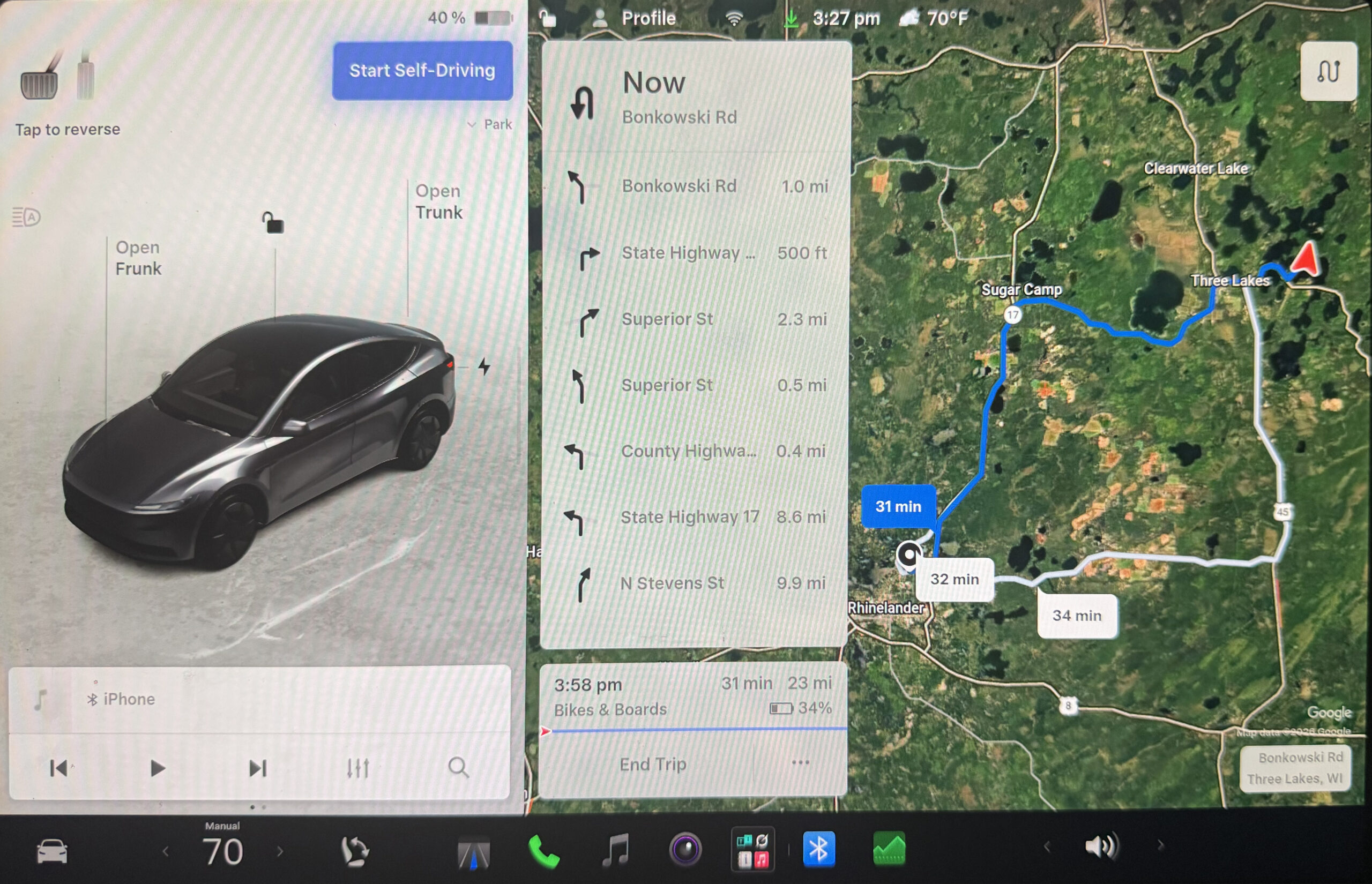
Tesla has begun marketing its Full Self Driving (FSD) system as a lifesaving technology, citing reductions in traffic fatalities as justification for its $99 monthly subscription fee. The claim arrives as the US faces persistent road safety challenges, with 36,640 traffic deaths reported in 2025.
The company's assertion that FSD prevents crashes rests on comparing accident rates for vehicles equipped with the system against broader national statistics. Tesla argues that autonomous driving features reduce human error, historically the leading cause of collisions. However, the company has not released independent third-party verification of these safety claims, nor has it disclosed the sample size, methodology, or duration of any internal studies supporting the fatality reduction assertion.
The subscription model presents a tension in Tesla's safety narrative. If FSD genuinely saves lives, placing it behind a paywall creates a two-tiered safety system where affluent drivers access collision-prevention technology while others cannot afford it. This structure differs fundamentally from safety innovations like seatbelts and airbags, which manufacturers integrate into all vehicles as standard equipment.
The National Highway Traffic Safety Administration (NHTSA) has not issued formal findings on FSD's safety impact. The agency has opened multiple investigations into Tesla's autonomous driving claims, including concerns about phantom braking events and unintended acceleration. Tesla has not submitted FSD for NHTSA's formal approval process for advanced driver assistance systems, instead distributing the software through a beta testing framework that places liability questions in gray legal territory.
Crash data comparisons also face methodological obstacles. Tesla vehicles equipped with FSD typically operate in specific geographic regions and driving conditions. Owners who purchase FSD subscriptions may represent a demographic with different baseline crash risks than the general driving population. Controlling for these variables requires datasets Tesla has not made publicly available.
The broader context matters. Traffic fatalities in the US have climbed despite technological advances in vehicle safety over the past decade. The Insurance Institute for Highway Safety attributes this trend to increased driving speeds, higher rates of distracted driving, and road infrastructure design issues that no vehicle technology addresses directly. These systemic factors operate beyond any single manufacturer's control.
Tesla's FSD remains classified as a Level 2 autonomy system under SAE standards, meaning the driver retains responsibility for monitoring the road and intervening as needed. The company's marketing materials do not always emphasize this requirement, creating potential confusion about the technology's actual capabilities and limitations.
The $99 monthly fee generates substantial recurring revenue for Tesla, with implications for the company's financial projections. If safety serves as the primary marketing justification, independent validation of those safety benefits becomes essential for consumer trust and regulatory credibility. NHTSA's ongoing investigations will likely influence how the agency responds to similar claims from other manufacturers pursuing subscription-based advanced driving features.