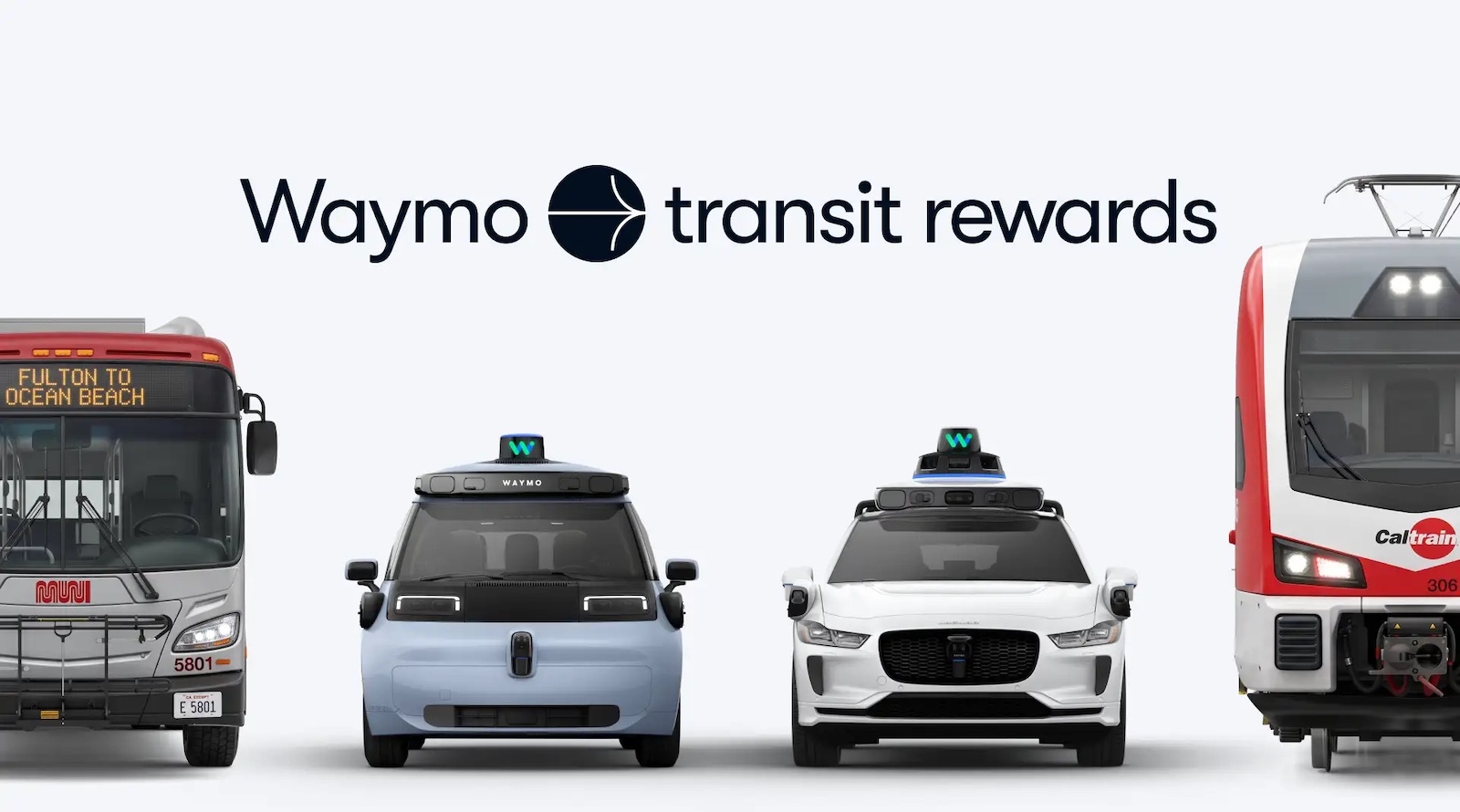
Waymo launched a transit rewards program in the San Francisco Bay Area that incentivizes passengers to combine autonomous vehicle rides with public transportation. The initiative offers Waymo Cash credits when riders link their Waymo trips to regional transit systems and pay with a Visa card.
The program addresses a persistent challenge in urban mobility: shifting travel patterns away from single-occupancy vehicles toward shared and mass transit options. Autonomous vehicle operators have begun recognizing that their technology's climate benefit depends partly on integration with existing public transit networks rather than operating as standalone services that cannibalize bus and rail ridership.
Waymo's structure targets what transportation planners call "first-mile and last-mile" connections. Commuters typically cannot walk or bike the entire distance to work or transit hubs. By subsidizing short autonomous rides that connect people to BART, Caltrain, or local buses, Waymo positions its service as a complement to rather than replacement for transit. This model mirrors similar programs from rideshare companies Uber and Lyft, which added transit integration features in several metropolitan areas over the past five years.
The financial mechanics remain opaque in Waymo's announcement. The company did not specify the cash value per ride, the minimum distance required to trigger rewards, or how much of the program's costs Waymo absorbs versus passes to transit agencies or Visa. These details determine whether the incentive genuinely shifts behavior or simply discounts rides for existing customers.
Climate impact hinges on modal shift. If Waymo Cash converts drivers who would otherwise operate personal vehicles into transit users, the program reduces emissions. California's transportation sector generated 168 million metric tons of carbon dioxide equivalent in 2022, according to the California Air Resources Board. Urban transit produces roughly one-quarter the emissions per passenger-mile of single-occupancy vehicles. However, if the rewards simply subsidize trips people already planned to take using other low-emission methods, environmental benefits disappear.
San Francisco Bay Area selection signals Waymo's confidence in that market. The region has dense public transit infrastructure through BART, Caltrain, and numerous local agencies. It also hosts Waymo's largest driverless fleet operations and a customer base familiar with autonomous vehicles. Expansion to other cities will test whether the model works in areas with less developed transit networks or lower autonomous vehicle adoption.
The program reflects broader industry pressure to demonstrate environmental credentials. Autonomous vehicle companies face scrutiny over whether their technology genuinely reduces emissions or merely replaces taxi trips with cheaper options that increase overall vehicle miles traveled. Integration with transit addresses this concern directly.
Waymo plans to introduce the program in additional cities beyond the Bay Area, though it provided no timeline or target list. Success metrics will likely include participation rates, average cash redemption amounts, and whether transit agencies report increased connection ridership at specific stations.
The initiative sits within California's climate goals. The state targets 40 percent emissions reductions below 1990 levels by 2030. Transportation electrification through programs like Waymo's autonomous fleet plus behavioral shifts toward transit use both contribute to that target. Whether Waymo's rewards mechanism proves sufficient to move significant ridership remains an open question that will emerge only through operational data.