# Rural Doctors Face Health Crisis After East Palestine Train Derailment
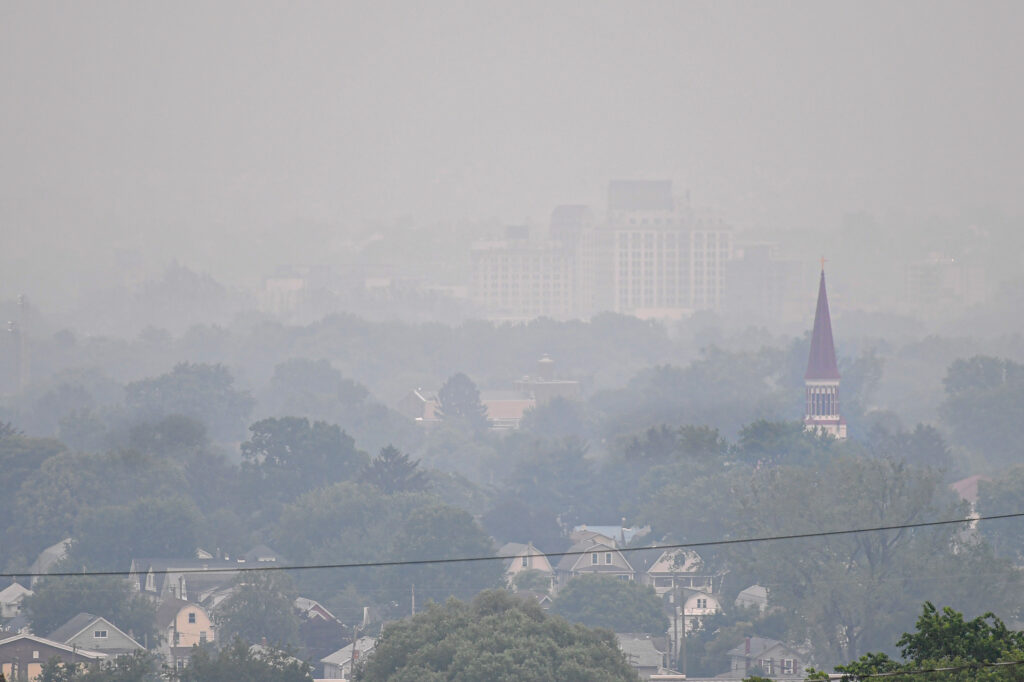
A freight train derailed in East Palestine, Ohio in February 2023, releasing toxic chemicals and hazardous smoke that drifted across state lines into nearby Pennsylvania communities. The crash occurred just a quarter-mile from the Ohio-Pennsylvania border, creating an immediate public health emergency that rural physicians were unprepared to handle.
George Garrow, a local doctor, rushed to assist residents exposed to the toxic plume. His response highlighted a broader problem facing rural America: the medical system lacks protocols, training, and resources to manage health emergencies triggered by environmental disasters. Most rural hospitals operate with minimal toxicology expertise and limited capacity to treat mass casualties from chemical exposure.
The East Palestine derailment involved Norfolk Southern freight cars carrying hazardous materials including vinyl chloride, a known carcinogen. Emergency responders burned off vinyl chloride in a controlled manner to prevent a catastrophic explosion, but this process released additional toxic compounds into the air. Residents across a multi-state radius reported respiratory symptoms, skin irritation, and other acute health effects in the weeks following the incident.
Rural physicians in Pennsylvania and Ohio faced immediate challenges. Few had experience treating chemical exposure at scale. Electronic health records lacked standardized codes for documenting environmental disaster-related injuries. State health departments struggled to coordinate care across state lines. Hospital labs could not rapidly test for chemical markers in blood or tissue samples. Many rural clinics lack the specialized equipment needed for toxicological assessment.
The incident exposed systemic gaps in disaster preparedness. The Centers for Disease Control and Prevention provides guidance for pandemic response but offers limited resources for chemical exposure events. State environmental protection agencies rarely coordinate with health departments before disasters occur. Rural hospitals, already financially strained, have minimal budgets for emergency medical training or specialized equipment.
Residents reported persistent health problems months after the derailment. Some developed rashes and respiratory infections. Others reported neurological symptoms including headaches and difficulty concentrating. Without baseline health data from before the accident, doctors struggled to establish causation between chemical exposure and reported symptoms.
The American Medical Association recognizes environmental medicine as a specialty, but few rural physicians have access to training. Medical schools dedicate minimal curriculum hours to environmental health hazards. Residency programs rarely include toxicology rotations. Rural doctors typically learn through clinical experience rather than formal preparation.
Federal agencies began investigating the derailment and its health impacts. The Environmental Protection Agency documented chemical releases and air quality data. The National Transportation Safety Board examined the derailment's causes. State health departments launched health surveillance programs, but data collection remained inconsistent across jurisdictions.
The East Palestine case demonstrates that environmental disasters do not respect borders or follow expected timelines. Health impacts can emerge weeks or months after initial exposure. Rural communities near rail corridors, chemical plants, and hazardous waste facilities face the highest risk but possess the fewest medical resources.
Going forward, rural hospitals need targeted funding for toxicology training, emergency protocols for mass chemical exposure, and better coordination with state environmental agencies. Doctors need standardized patient documentation systems that capture environmental exposure history. Federal agencies should mandate pre-disaster planning requirements for communities near hazardous materials transportation routes.
Rural physicians treating disaster-impacted communities operate at the frontlines of environmental health. Their preparedness directly affects whether residents receive appropriate care or suffer preventable complications from chemical exposure.