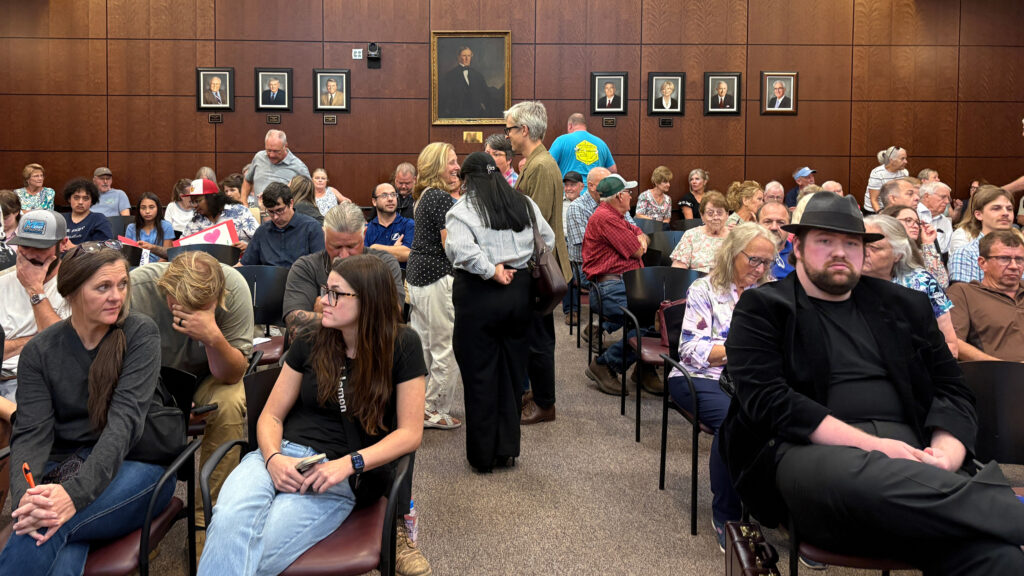
Maymead, an asphalt manufacturer planning a production facility south of Winston-Salem, North Carolina, filed a federal lawsuit against a consulting firm and a former employee alleging coordinated fraud and deceptive practices designed to block the project. The defendant, Chris Hopkins of Tennessee, allegedly operated under the alias Chris Sanderson while organizing community opposition to the facility.
The lawsuit targets Hopkins and his consulting firm for what Maymead describes as an orchestrated disinformation campaign meant to manipulate local opposition and regulatory processes. Hopkins allegedly misrepresented his identity and affiliations while mobilizing residents against the asphalt plant, raising questions about the authenticity of grassroots environmental movements and the tactics employed on both sides of industrial siting disputes.
Asphalt plants generate particulate emissions and volatile organic compounds that degrade local air quality. The proposed facility would operate in an area near residential neighborhoods, making emissions a legitimate public health concern. North Carolina tracks industrial air quality impacts through its Division of Air Quality, which evaluates permit applications for new stationary sources under Clean Air Act Title V regulations.
The legal action reflects escalating tensions in industrial siting battles where residents and environmental organizations challenge new pollution sources. Companies increasingly pursue defamation and fraud claims against organizers when grassroots campaigns block projects. The strategy has become common in energy development, mining operations, and chemical manufacturing disputes, though few cases proceed to trial successfully.
Maymead's fraud allegations require proving that Hopkins made false statements with intent to deceive, causing measurable damages. The civil conspiracy claim requires showing an agreement between Hopkins and others to commit illegal acts. Deceptive trade practices statutes, available in most states including North Carolina, create liability for unfair methods and acts in commerce.
North Carolina's asphalt industry generates substantial economic activity and employment. Major contractors rely on local production facilities to supply paving materials for highway maintenance and construction projects. The company argues the facility would serve regional infrastructure needs while providing jobs. Environmental and community groups counter that air quality degradation, noise, and truck traffic impose uncompensated costs on residents living nearby.
The case introduces complications for legitimate environmental advocacy. Community organizers routinely use organizing names or operate under group identities separate from their employment. The distinction between standard advocacy practice and fraudulent misrepresentation becomes legally contested. If Hopkins created false grassroots entities or fabricated credentials without disclosure, courts might find liability. If he simply worked as a professional organizer using a professional name, the fraud claim weakens.
Regulatory agencies face pressure to rule on the project's permit application amid litigation. The North Carolina Department of Environmental Quality and local Forsyth County authorities hold permitting authority. Maymead must obtain air quality permits, stormwater permits, and local land use approvals before construction begins.
The lawsuit carries implications beyond this single facility. Environmental consulting firms frequently oppose industrial development on behalf of communities and advocacy groups. If courts adopt broad interpretations of fraud liability based on activist identity practices, it could chill professional environmental consulting and reduce resources available for grassroots opposition campaigns. Conversely, if courts find fraud liability insufficient because no false material facts appear in regulatory submissions, the lawsuit sets limited precedent.
The case develops as North Carolina grapples with air quality challenges in counties surrounding urban centers. Asphalt plant emissions contribute to particulate pollution levels that affect respiratory health outcomes.