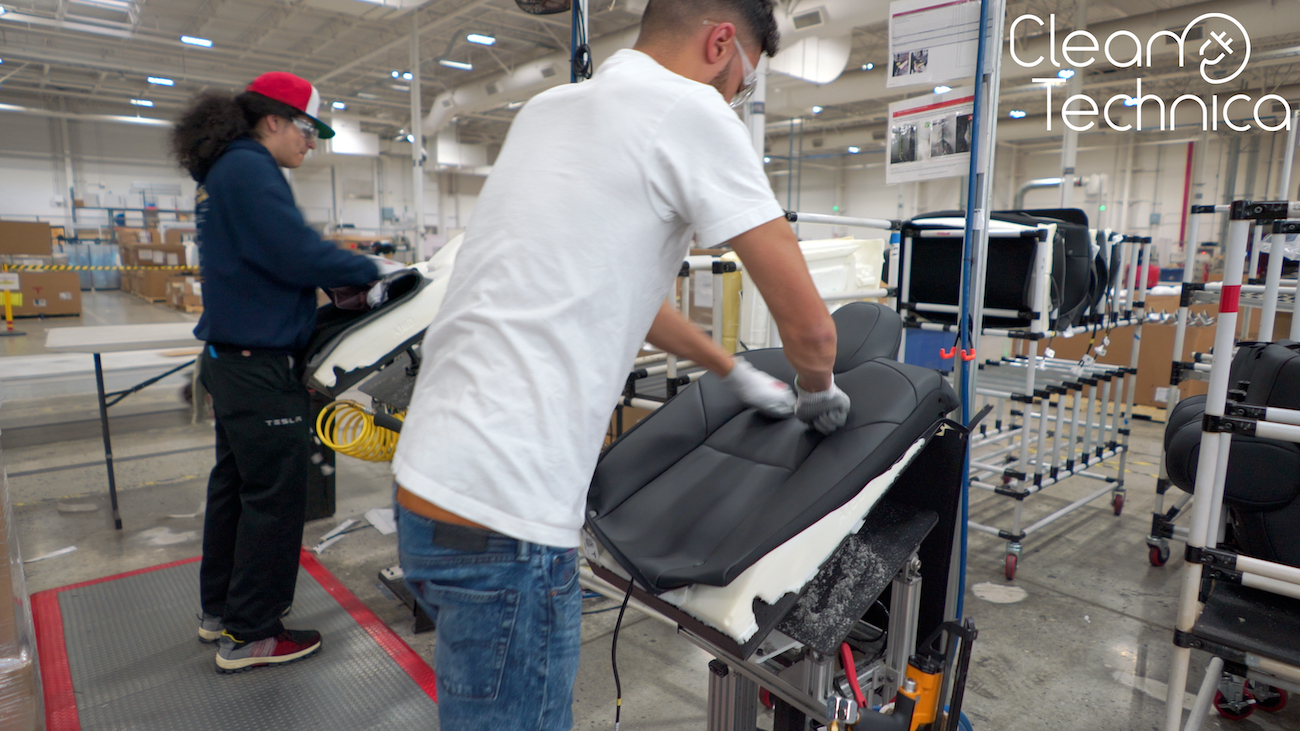
A federal trial began this week addressing longstanding allegations of racial discrimination at Tesla's Fremont, California manufacturing facility. The lawsuit represents one of the most significant workplace discrimination cases against the electric vehicle manufacturer since complaints first surfaced over a decade ago.
The trial centers on claims that Black workers at the Fremont plant experienced systematic racial harassment and unequal treatment in hiring, promotion, and workplace conditions. Multiple former and current employees have documented incidents ranging from racial slurs to segregated work assignments and disparate discipline compared to white colleagues.
Tesla has faced previous legal scrutiny over workplace conduct at Fremont. In 2017, the California Department of Fair Employment and Housing began investigating discrimination claims. The National Labor Relations Board also examined unfair labor practice allegations at the facility. These earlier investigations provided preliminary findings that supported worker complaints but did not result in comprehensive remedies addressing plant-wide patterns.
The Fremont plant represents Tesla's largest U.S. manufacturing operation, employing thousands of workers across multiple production lines. The facility has operated at high capacity for years, particularly as Tesla ramped up Model 3 and Model Y production. Some workplace discrimination researchers have linked high-pressure production environments to inadequate diversity oversight and insufficient HR enforcement.
Legal experts note that the trial's outcome could establish precedent for workplace standards across the electric vehicle and battery manufacturing sectors. Several other EV makers and battery producers have faced similar discrimination complaints from workers, suggesting broader industry culture issues beyond Tesla alone.
The case carries implications for corporate accountability in the clean energy transition. As the electric vehicle industry expands and manufacturing scales up, worker protections and enforcement of anti-discrimination law determine whether the sector's growth benefits all workers equitably. Labor advocates have argued that companies pursuing environmental sustainability cannot ignore labor equity simultaneously.
Tesla did not immediately respond to requests for comment. The company has previously characterized discrimination allegations as isolated incidents rather than systemic problems and stated its commitment to maintaining a respectful workplace.
The trial timing coincides with increased scrutiny of workplace practices across manufacturing sectors. The Biden administration's efforts to expand domestic EV production through the Inflation Reduction Act included explicit provisions encouraging union organizing and worker protections. The $7,500 EV tax credit now includes requirements that vehicles be assembled by workers earning at least $15 per hour, though this falls short of binding anti-discrimination standards.
The Fremont plant trial will likely extend several weeks and may hear testimony from dozens of current and former employees. Discovery materials released ahead of trial included internal communications, performance reviews, and demographic data on hiring and discipline patterns. The outcome could influence how other manufacturers approach diversity and discrimination prevention in their own facilities.
This case addresses whether companies transitioning toward sustainable manufacturing can simultaneously ensure equitable treatment across their entire workforce. The verdict may reshape corporate accountability in the clean energy economy.