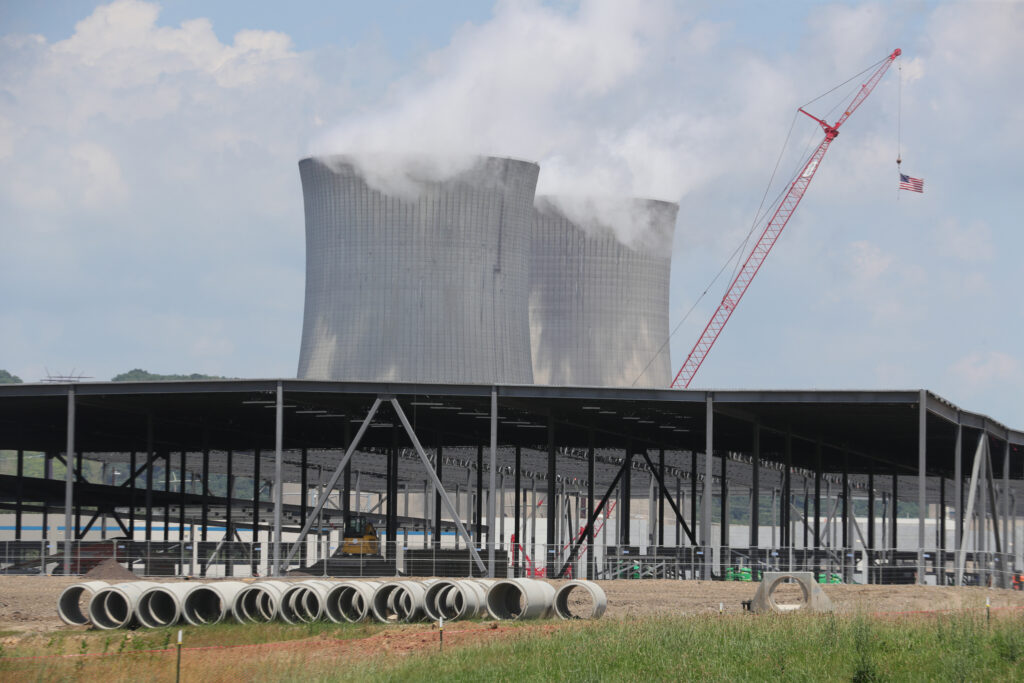
Pennsylvania's emerging artificial intelligence infrastructure is reproducing the extraction patterns that shaped the state's industrial decline, according to a report released Tuesday by a research group analyzing the sector's economic and environmental footprint.
Data center operators have marketed their expansion into Pennsylvania as economic salvation, citing job creation and industrial renewal. The actual employment gains remain minimal. The report finds little correlation between data center proliferation and meaningful job growth in host communities, contradicting promises made during the permitting and development phases.
This pattern echoes Pennsylvania's history with coal mining, steel manufacturing, and petrochemical refining. Each wave of industrial development arrived with pledges of prosperity. Each left behind environmental degradation and economic collapse when operations shifted or consolidated. Data centers follow the same script. They arrive with tax incentives and political support, extract resources and labor at minimal cost, then move or scale back when conditions change elsewhere.
The environmental risks intensify the concern. Data centers consume extraordinary amounts of electricity and water. Pennsylvania's grid already strains during peak demand periods. Adding more computing complexes diverts power from residential and commercial users while increasing reliance on fossil fuels if renewable capacity fails to keep pace. Water consumption threatens to stress already-depleted aquifers and river systems in parts of the state.
The report warns that without strict regulations and binding community benefit agreements, Pennsylvania will house the infrastructure that powers artificial intelligence development while bearing the environmental and infrastructure costs. Shareholders and venture capital investors profit from the arrangement. Residents in host communities pay the price.
Communities considering data center development face immediate pressure to approve permits quickly. Economic arguments dominate public discourse. Environmental impact assessments often underestimate water and power demands. Local governments lack resources to conduct independent analysis of developer projections.
Several Pennsylvania municipalities have already approved or are evaluating data center projects. Operators have identified the state's abundant water, existing electrical grid infrastructure, and relative proximity to East Coast population centers as advantages. Real estate costs remain lower than in other regions where data centers cluster, making the economics favorable for operators.
The report recommends binding community benefit agreements that guarantee job training programs, local hiring requirements, and revenue sharing tied to actual employment outcomes. It calls for rigorous environmental impact assessments conducted by independent parties, not developer consultants. Water use agreements should include usage caps and restoration funds for depleted aquifers.
State regulators need authority to deny or revoke permits based on demonstrated harm, not just permit violations. Communities should retain legal standing to challenge operations that violate agreed standards. These protections existed partially during Pennsylvania's coal and steel eras but eroded as industries consolidated power and lobbying capacity.
Pennsylvania stands at an inflection point. Data center development will continue regardless of warnings. The question is whether the state learns from its industrial past or repeats it. Current trajectory suggests repetition. The data center boom operates under the same power imbalances that structured previous industrial waves. Those imbalances require intentional redistribution of authority and resources to break.