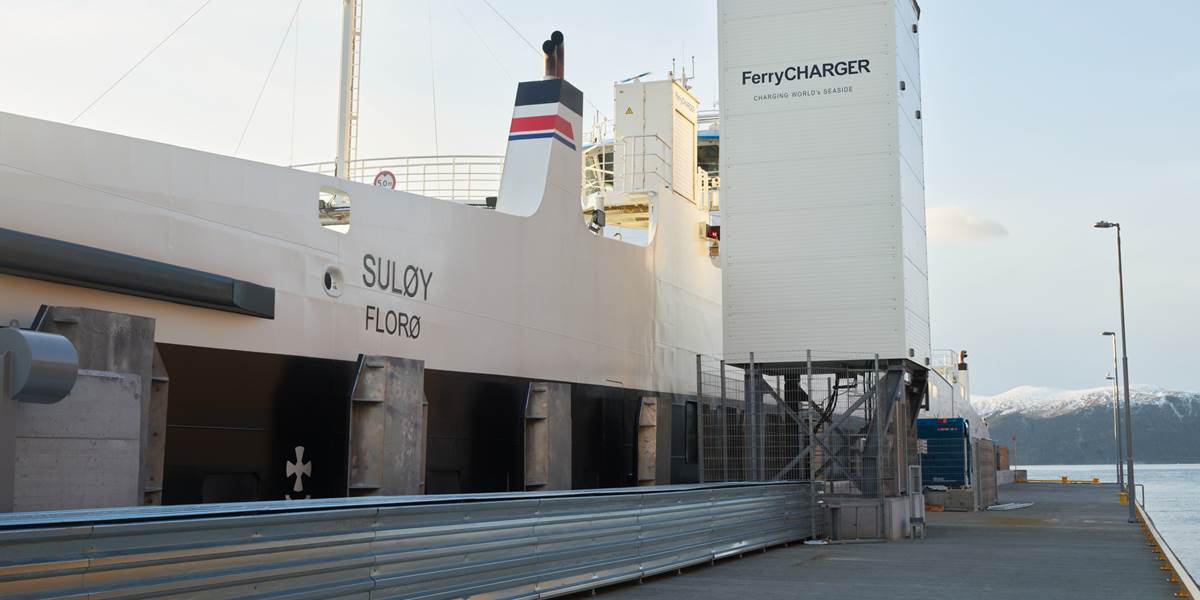
Norwegian maritime technology companies are pursuing a substantial market opportunity in the Philippines by positioning electric and hybrid ferries as replacements for the archipelago's aging diesel fleet. The convergence of Norwegian expertise and Philippine infrastructure needs reflects a broader shift toward electrifying maritime transport in Southeast Asia.
The first Norway-Philippines Electric Ferries Conference, held in Manila in November 2025, catalyzed direct engagement between Norwegian ferry manufacturers and Philippine government agencies and private operators. Interest in electric and hybrid propulsion systems has accelerated since that initial gathering, signaling receptiveness from both policy makers and the shipping industry to cleaner vessel technology.
The Philippines operates one of the world's largest ferry networks, with thousands of vessels transporting passengers and cargo across its 7,641 island geography. The majority of these ferries rely on diesel propulsion, a configuration that generates substantial greenhouse gas emissions while creating local air pollution in densely populated port cities. The International Maritime Organization's 2023 study reported that shipping accounts for approximately 2.9 percent of global CO2 emissions, with developing nations' ferry fleets often operating with outdated engines and minimal emission controls.
Norway possesses world-leading electric ferry technology developed through its own transition. The country operates more than 70 electric or hybrid ferries, the highest concentration globally. Norwegian companies including Fjellstrand, Havyard, and others have refined battery systems, charging infrastructure, and operational protocols across diverse conditions. This operational experience addresses a critical knowledge gap in the Philippines, where maritime electrification remains nascent.
Philippine ferry operators face several convergent pressures favoring electrification. Rising fuel costs erode profit margins on routes serving lower-income passengers. The Philippine government committed to carbon neutrality by 2050 under the Paris Agreement, establishing policy tailwinds for emission reduction projects. Port cities including Manila and Cebu experience hazardous air quality levels partly attributable to marine diesel emissions. International shipping regulations under the International Maritime Organization's Energy Efficiency Existing Ship Index create operational cost penalties for older vessels.
Economic viability presents both opportunity and challenge. Electric ferries carry substantially higher capital costs than conventional diesel vessels. A 100-passenger hybrid ferry can cost $8 million to $12 million, compared to $3 million to $5 million for diesel equivalents. However, operational savings through eliminated fuel costs, reduced maintenance requirements, and extended engine life yield payback periods of eight to twelve years for ferry operators running frequent routes. Shorter regional routes of 100 to 200 kilometers benefit most from current battery technology.
Philippine government support mechanisms remain underdeveloped. Norway's electrification succeeded through substantial subsidies, carbon pricing, and port charging infrastructure funded by state investment. The Philippines lacks comparable funding mechanisms. Private operators, constrained by capital availability and credit access, struggle to finance vessel transitions independently.
The conference momentum appears to have created follow-up engagement channels. Norwegian technology transfer agreements could accelerate Philippine harbor electrification while supporting local ferry operator transitions. Regional development banks, including the Asian Development Bank, have begun evaluating maritime electrification financing mechanisms for Southeast Asian operators.
Successful deployment hinges on coordinated infrastructure investment. Establishing charging stations in major Philippine ports represents a prerequisite to fleet conversion. Pilot programs on high-traffic routes like Manila Bay to Batangas could demonstrate operational feasibility and encourage broader adoption among competing operators.