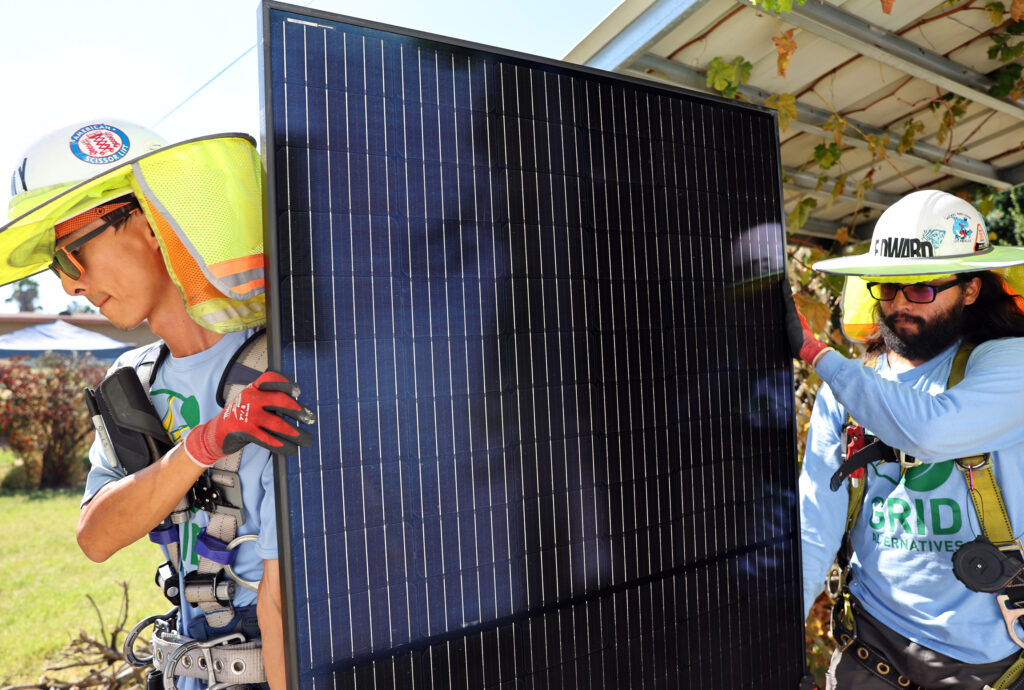
A federal judge blocked the Trump administration's termination of $7 billion in clean energy grants earmarked for low-income communities, finding the cancellation violated administrative law.
The Solar for All program, created under the Biden administration's Inflation Reduction Act of 2022, distributed funding to states, cities, tribal nations and nonprofits to install rooftop solar systems and reduce electricity costs for disadvantaged households. The Trump administration halted the program in early 2025, citing budgetary concerns and regulatory priorities. The decision affected dozens of active grants nationwide.
U.S. District Judge [name not provided in excerpt] ruled that the administration failed to follow required procedures before terminating the grants. Federal law mandates that agencies provide notice and opportunity for public comment before withdrawing funding commitments. The administration proceeded without this formal rulemaking process, the judge found.
The Inflation Reduction Act allocated $369 billion total for climate and energy investments, with the Solar for All program receiving $7 billion as its flagship consumer-facing clean energy initiative. The program reduced residential solar installation costs to no more than 6 percent of household income through direct grants and rebates. Early implementation showed rapid uptake in participating states, with applications exceeding available funding in multiple jurisdictions.
The ruling reinstates grant funding that was already distributed to implementing agencies and suspends the termination order pending further legal proceedings. Individual states and nonprofits that had contracted with the federal government under Solar for All can continue deploying those funds. The decision does not require the Trump administration to make new grants, but preserves existing commitments already made.
The judge's order reflects tension between executive authority to redirect spending priorities and statutory obligations once agencies commit funds through formal grant agreements. The Inflation Reduction Act, passed by Congress in 2022 with bipartisan infrastructure provisions, explicitly authorized these clean energy expenditures. Courts have consistently held that agencies cannot unilaterally withdraw congressionally appropriated funds without following the Administrative Procedure Act.
The administration's decision to halt Solar for All aligned with broader policy shifts rejecting Biden-era climate initiatives. The Department of Energy oversees the program; no statement from DOE officials appeared in the initial reporting. The administration signaled intent to challenge the ruling.
Approximately 900,000 low-income households across multiple states had been targeted by Solar for All grants in the first phase of deployment. Solar installation reduces monthly electricity consumption in these households by an average of 30 percent, according to program data. The grants represent one of the largest federal investments in residential renewable energy for disadvantaged populations.
The case underscores legal limits on executive power to terminate funded programs. Future litigation will determine whether the administration can revise program rules or reduce funding levels through administrative modifications that do not constitute outright termination. Environmental groups and state attorneys general supported the judge's reasoning.