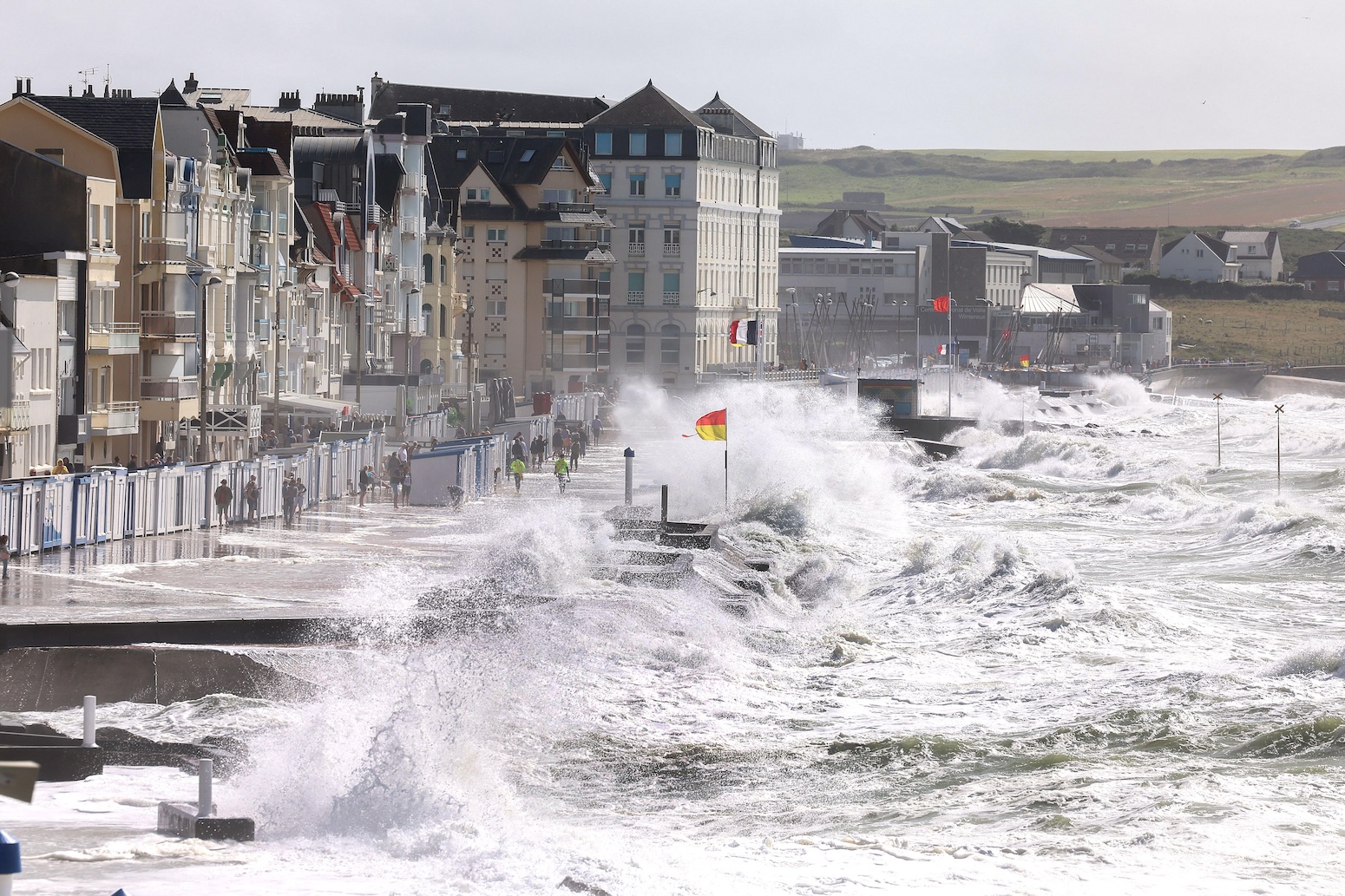
Global sea levels are rising at an accelerating rate, driven primarily by thermal expansion of warming ocean water and melting ice sheets in Greenland and Antarctica. This process threatens hundreds of millions of people, erodes cultural heritage sites, and destabilizes ecosystems that support marine life and human communities alike.
The Intergovernmental Panel on Climate Change reports that global mean sea level rose approximately 3.7 millimeters per year between 2006 and 2015, a rate significantly faster than the 1.4 millimeters per year observed during the twentieth century. Scientists attribute roughly half of this rise to thermal expansion. As oceans absorb excess heat from atmospheric greenhouse gas concentrations, water expands. The remaining increase stems from glacier melt and ice sheet collapse in Greenland and Antarctica.
Island nations face the most acute exposure. Tuvalu, Kiribati, and the Marshall Islands confront permanent inundation within decades if current trends continue. Low-lying nations have already begun planning managed retreat and negotiating climate reparations from high-emission industrialized countries. Bangladesh, home to over 160 million people, experiences increasing saltwater intrusion into agricultural lands and freshwater aquifers. Vietnam's Mekong Delta, which produces half the nation's rice, loses productive area annually to rising waters and subsidence.
Coastal cities in wealthy nations also face substantial economic risk. Miami, New York, London, and Shanghai experience recurring "sunny day" or "nuisance" flooding during high tides, which damages infrastructure, disrupts commerce, and contaminates freshwater supplies. The American Geophysical Union estimates that major U.S. coastal cities will experience chronic flooding within two decades without massive adaptation investments.
Beyond immediate human displacement, sea level rise alters marine ecosystems. Coral reefs bleach and die as warming waters exceed thermal tolerance thresholds. Mangrove forests, which provide nursery habitat for commercial fish species, succumb to saline intrusion. Salt marshes migrate inland where development blocks their natural retreat pathways. Seabirds lose nesting grounds. The cumulative effect threatens global food security, particularly for populations dependent on coastal fisheries.
Cultural heritage faces erasure. Venice's St. Mark's Basilica experiences water damage during floods. Ancient Polynesian archaeological sites disappear beneath the waves. Indigenous communities lose ancestral territories and sacred sites.
The process is now largely irreversible on human timescales. Even if global emissions ceased immediately, thermal expansion would continue for centuries as the climate system equilibrates. Greenland's ice sheet has reached a tipping point where summer melt now exceeds winter accumulation. Antarctica's West Antarctic Ice Sheet destabilization could trigger meters of additional sea level rise this century.
National governments and the United Nations Framework Convention on Climate Change have prioritized mitigation through emissions reductions and adaptation through coastal defenses, managed retreat policies, and climate finance mechanisms. However, funding remains inadequate. The World Bank and regional development banks have mobilized billions in adaptation funding, but estimates suggest trillions are necessary to protect existing infrastructure and relocate affected populations.
Sea level rise represents a direct consequence of the physics of a warming planet. Without aggressive emissions reductions, hundreds of millions of people will face displacement, economic loss, and cultural obliteration within this century.