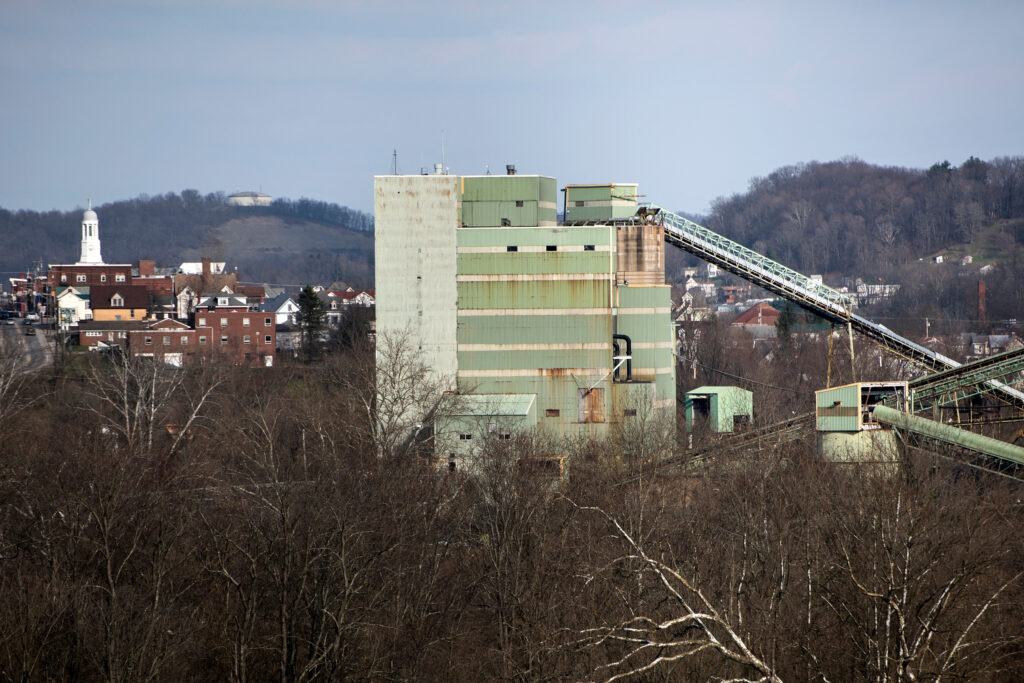
# Pennsylvania's Abandoned Mines Target of Unconventional Data Center Plan
Pennsylvania researchers are exploring an unconventional strategy to address the state's explosive data center expansion while managing environmental legacies from a century of coal mining. The proposal centers on converting abandoned underground mines into facilities for computer servers, potentially resolving two concurrent crises: Pennsylvania's unwanted data centers and its thousands of derelict mines.
Data centers consume enormous quantities of electricity and water while generating substantial noise and heat pollution. Communities across Pennsylvania have fought new facilities, citing concerns about resource depletion, emissions, and industrial sprawl consuming agricultural and forest land. Yet the state remains a prime location for the industry due to its proximity to major population centers, existing electrical infrastructure, and lower land costs than coastal tech hubs.
The abandoned mine proposal leverages Pennsylvania's subterranean geography. The state contains approximately 300,000 acres of abandoned mines, many from the anthracite and bituminous coal era that ended decades ago. These underground voids represent both environmental hazard and potential asset.
Underground data centers offer operational advantages beyond environmental mitigation. The constant, cool underground temperature reduces cooling costs that typically consume 30 to 40 percent of data center energy budgets. Mine structures provide natural insulation. The subsurface location reduces noise complaints that plague surface facilities. Underground placement also addresses aesthetic concerns about industrial sprawl in rural Pennsylvania communities.
The plan addresses environmental remediation concerns. Many Pennsylvania mines create acid mine drainage, contaminating streams and groundwater. Converting abandoned mines to productive use could fund remediation efforts while preventing future degradation. Companies operating underground facilities would assume responsibility for maintaining structural integrity and managing water systems.
However, significant barriers exist. Mine conversions require substantial infrastructure development. Electrical systems, cooling mechanisms, and water management must meet data center specifications. Underground spaces need reliable power delivery and backup systems. Access routes must accommodate equipment and personnel. Many abandoned mines lack title clarity due to defunct companies and complex ownership histories.
The proposal also requires state regulatory approval. Pennsylvania's Department of Environmental Protection and the U.S. Environmental Protection Agency would need to assess whether underground data centers create new environmental hazards or merely relocate impacts. Mine safety regulations apply. Water discharge permits would be necessary for any facility requiring cooling systems.
Data center operators show limited enthusiasm so far. The industry prefers rapid construction and established infrastructure. Underground conversion requires site-specific engineering and longer development timelines. Companies favor locations with proven power capacity and experienced local workforces.
Some researchers note that underground placement could serve specific data center types, particularly those requiring extreme climate control or security, rather than all facilities. Cryptocurrency mining operations, which demand intensive cooling and continuous power, present a primary market target.
The Pennsylvania model reflects growing interest in repurposing industrial landscapes for new uses. Similar proposals exist in other mining states including West Virginia and Kentucky. If successful, Pennsylvania's approach could transform abandoned infrastructure from environmental liability into revenue-generating asset while reducing pressure on pristine rural land.
Feasibility studies continue at Pennsylvania universities and state agencies. A pilot project timeline remains unclear.