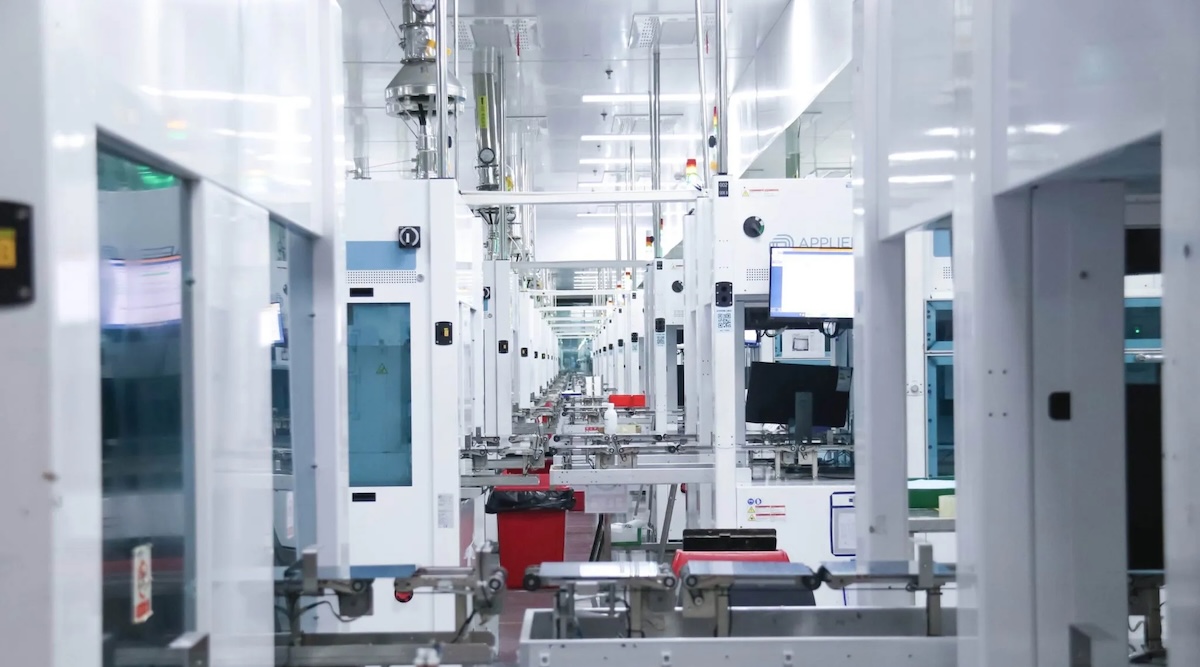
The U.S. solar manufacturing sector continues to expand despite the Trump administration's reversal of Biden-era clean energy policies, signaling that market forces and electricity demand are driving investment decisions independent of federal support.
Solar manufacturers are securing financing for new production capacity even as the administration has signaled hostility toward renewable energy incentives. The shift reflects a fundamental disconnect between Washington policy rhetoric and the realities of power generation economics across Republican-leaning states, where electricity demand has grown sharply.
Manufacturing capacity additions concentrate in states that traditionally vote Republican. Texas, Georgia, Arizona, and other red-state jurisdictions have attracted solar panel production facilities despite the federal policy environment turning hostile to clean energy. Investors appear confident that regardless of tariff policies or subsidy rollbacks, demand for solar panels will remain robust because utilities and businesses need affordable electricity.
The Inflation Reduction Act provided substantial tax credits and manufacturing incentives before the 2024 election. Many projects financed under those provisions are now in construction phases. Solar companies have locked in supply chain commitments and workforce development plans that extend years into the future. Reversing or abandoning these projects would cost investors billions.
Labor dynamics favor continued manufacturing investment. Solar installation jobs grew faster than any other U.S. occupation over the past decade. Regional workforces have developed institutional knowledge around panel assembly, inverter manufacturing, and component production. States competing for these jobs offer tax abatements and workforce training programs regardless of federal policy fluctuations.
Electricity demand growth outpaces supply in many regions. Data centers, artificial intelligence operations, and semiconductor manufacturing facilities require enormous amounts of power. Solar's low operating costs and declining capital expenses make it competitive against fossil fuel generation even without subsidies. Grid operators need dispatchable capacity, and battery storage paired with solar provides that capability.Wholesale electricity prices in competitive markets reward lowest-cost generation sources. Solar's levelized cost of electricity now undercuts natural gas in most U.S. markets. This economic advantage persists independent of federal tax credits or investment incentives.
The solar industry confronts tariff uncertainty. The administration has threatened tariffs on imported solar panels and components, which could raise manufacturing costs and equipment prices. Companies are accelerating domestic production to avoid or minimize tariff exposure. Building manufacturing capacity in the U.S., despite higher labor costs, provides supply chain security and tariff protection.
Supply chain resilience became a priority following pandemic disruptions and China's dominance in solar component production. Bipartisan support exists for building domestic manufacturing capacity in semiconductors, batteries, and solar equipment. This consensus transcends clean energy ideology and reflects national security concerns and economic competition with China.
Supply chain resilience became a priority following pandemic disruptions and China's dominance in solar component production. The Solar Energy Industries Association reports that domestic manufacturing capacity has tripled since 2020, though the U.S. still imports most panels and components.
Investors are betting that solar demand will remain strong through multiple election cycles and policy environments. Manufacturing facilities represent decade-long commitments that must generate returns regardless of which party controls federal energy policy. Market fundamentals, not subsidies, drive these decisions.