Australia's Phillip Island has launched the first large-scale bird flu vaccination program for wild penguins, targeting approximately 1,000 little penguins in what researchers describe as an unprecedented conservation effort.
The vaccination campaign addresses an escalating threat to Australia's penguin populations. Avian influenza has devastated seabird colonies globally, with H5N1 strains causing mass mortality events. Little penguins, which breed exclusively on Phillip Island and nearby sites in southeastern Victoria, face heightened vulnerability due to their small colony sizes and confined geographic range. A single outbreak could decimate the entire breeding population.
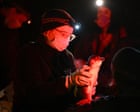
Scientists at Phillip Island Nature Parks developed a novel delivery method for the vaccine. Rather than attempting to individually catch and inject each penguin, researchers apply the vaccine nasally as penguins return to shore at dusk. The technique exploits the birds' natural behavior patterns, allowing vaccination teams to administer doses quickly during the vulnerable window when penguins come ashore after feeding.
"It's really tricky," said vaccination team members, highlighting the logistical challenges of working with wild animals in their natural habitat. The procedure demands precise timing, proper restraint techniques that minimize stress on animals, and rapid vaccine application. Teams must balance efficiency against animal welfare, ensuring penguins experience minimal disturbance during breeding season.
The vaccine itself represents months of development work. Researchers selected formulations designed specifically for penguins, testing immunogenicity and safety before deployment. Initial trials determined optimal dosing levels and confirmed the nasal route's effectiveness in generating immune responses comparable to intramuscular injection in laboratory settings.
Phillip Island's little penguin population numbers roughly 32,000 breeding pairs, making it the world's largest colony of the species. The 1,000-penguin vaccination target represents a pilot program that will measure vaccine take rates, antibody production, and long-term protection. Success here could establish a template for protecting other penguin colonies facing bird flu pressure across Tasmania, South Australia, and New Zealand.
The timing proves critical. Outbreaks of H5N1 have struck Australian seabird colonies with increasing frequency over the past three years. In 2022 and 2023, mass mortality events killed thousands of little penguins and other seabirds along Victoria's coast. The virus spreads through direct contact, respiratory droplets, and contaminated food sources, making wild penguin colonies particularly vulnerable given their dense breeding aggregations.
Wildlife authorities coordinated the vaccination program with breeding season requirements. Teams worked carefully to avoid disrupting nesting behavior or separating parent-chick pairs. The program required permits from Victoria's Department of Energy, Environment and Climate Action, which approved the trial based on established animal welfare protocols.
Results from this initial campaign will inform scaled expansion. If vaccination proves safe and generates durable immunity in wild penguin populations, researchers plan to extend protection to additional colonies. The program demonstrates conservation's evolution toward proactive disease management in wildlife, moving beyond reactive culling or population management toward immunological intervention.
The Phillip Island vaccination effort represents one of the first attempts to protect wild seabirds from emerging infectious diseases through mass vaccination. Its success or failure will shape pandemic preparedness strategies for vulnerable wildlife populations worldwide.