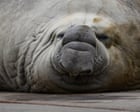
# Elephant Seal at Risk as Bird Flu Spreads Through Australian Coastal Communities
A well-known elephant seal named Sammy faces potential exposure to H5N1 avian influenza in Victoria, Australia, as the virus spreads through coastal wildlife populations. Sammy, a gregarious pinniped known for frequent human interaction, inhabits an area experiencing active bird flu transmission.
The risk stems from the behavioral ecology of seals and sea lions. These marine mammals rely heavily on tactile communication and often share feeding and resting spaces with wild birds. Both activities create direct pathways for H5N1 transmission. Unlike avian species, which show acute clinical signs when infected with H5N1, pinnipeds present a different epidemiological profile. Their marine lifestyle, social structure, and capacity to harbor respiratory viruses make them potential amplification points for zoonotic pathogens.
H5N1 has demonstrated an expanding host range in recent years. The virus jumped from birds to marine mammals in Peru in 2023, infecting sea lions and otters with documented fatality rates. Subsequent detections across North American coastlines confirmed the pathogen's persistence in marine ecosystems. Each spillover event expands our understanding of the virus's adaptability but also underscores the unpredictability of cross-species transmission.
Victoria's coastal regions currently experience elevated bird flu activity. Sampling efforts and mortality monitoring at seabird colonies have confirmed circulation of the H5N1 variant. The geographic overlap between bird populations, pinnipeds, and human recreational areas compounds outbreak risk. Sammy's documented sociability with humans adds a secondary concern, as infected animals shed virus through respiratory secretions and fecal matter.
The Australian Department of Agriculture, Fisheries and Forestry has not issued formal protections for wild seals in H5N1 hotspots. Unlike threatened terrestrial species, marine mammals fall into a regulatory gap where treatment protocols remain underdeveloped. Veterinary intervention for wild pinnipeds presents logistical challenges absent from terrestrial wildlife management. Capture and treatment stress can trigger viral replication or spread.
Monitoring represents the primary surveillance tool. Wildlife agencies have expanded H5N1 testing in Australian coastal mammals, with particular focus on mortality events. Early detection in pinnipeds would signal sustained virus circulation in marine food webs and potential human exposure risks through secondary contact.
Sammy's case illustrates broader conservation vulnerabilities in disease ecology. High-profile individual animals often attract public attention that drives resource allocation and protective measures. Yet thousands of unnamed seals and sea lions face identical infection risks. The species' gregarious behavior, which makes Sammy recognizable to humans, simultaneously amplifies epidemiological risk within marine mammal populations.
Prevention measures focus on reducing bird-mammal contact. Wildlife agencies discourage feeding pinnipeds and recommend maintaining distance during observations. These interventions address immediate transmission pathways but cannot eliminate the fundamental ecological overlap between infected bird populations and marine mammals.
The pathway forward requires integrated surveillance spanning avian, marine mammal, and human populations. Victoria's bird flu hotspot demands sustained virological monitoring of elephant seals and related species. Sammy's visibility provides an opportunity for public health messaging about zoonotic disease risks in shared coastal ecosystems.