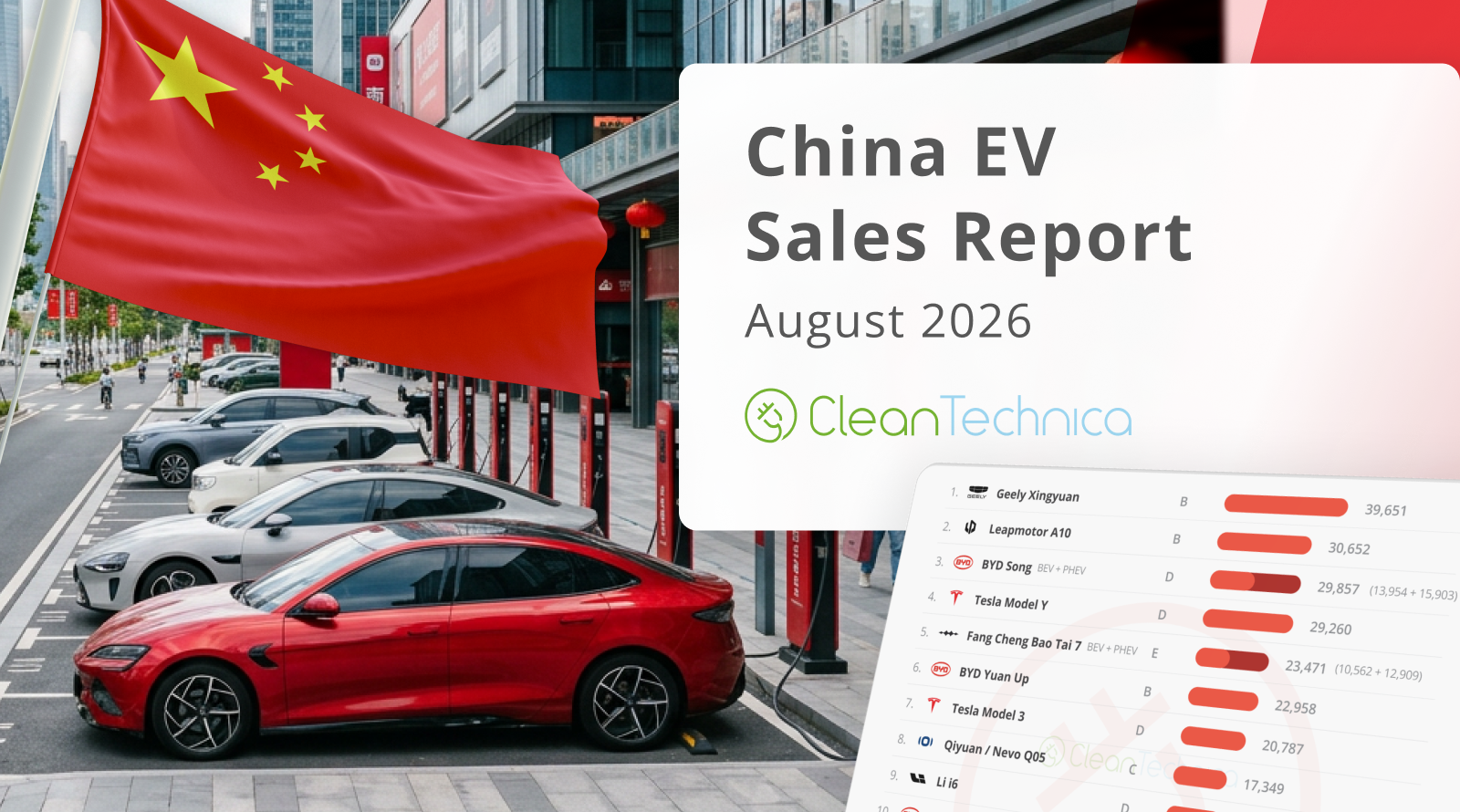
China's electric vehicle market hit a new milestone in August, with battery electric vehicles (BEVs) capturing 45 percent of total vehicle sales and overall EV adoption reaching 65 percent market share. The surge marks a structural shift in the world's largest auto market, driven by both rising gasoline prices and an expanding roster of affordable battery-powered models.
The 45 percent BEV share represents a jump from previous months, signaling accelerating consumer adoption of pure electric powertrains over plug-in hybrids (PHEVs). Analysts attribute this growth to two overlapping forces. First, crude oil prices remain elevated, making conventional fuel costs less competitive against charging expenses. Second, Chinese automakers have flooded the market with new BEV models across price ranges, creating more consumer choice and driving down average vehicle costs through manufacturing scale.
Leapmotor, a Geely-owned EV manufacturer, emerged as a standout performer in August sales data. The company expanded its market presence through aggressive product launches and pricing strategies, positioning itself alongside established competitors like BYD, NIO, and XPeng. Leapmotor's growth reflects a broader pattern in China's auto sector: traditional carmakers face mounting pressure from nimble EV specialists and tech-focused startups that move faster on battery technology and software integration.
The 65 percent combined EV market share (BEVs plus PHEVs) contrasts sharply with most global markets. European EV adoption sits around 25 percent. The United States trails further, with BEVs representing roughly 9 percent of new car sales as of mid-2024. China's lead stems from government subsidies that ended in 2022, yet remained offset by lower manufacturing costs, dense charging infrastructure in urban centers, and explicit policy support for domestic EV makers through procurement rules and regulatory targets.
The shift toward BEVs over PHEVs carries environmental weight. Battery electric vehicles produce zero tailpipe emissions, while plug-in hybrids still burn fossil fuels for roughly 40 percent of driving cycles in real-world use. China's electric grid, increasingly powered by wind and solar capacity, means BEV charging carries lower carbon intensity than it did five years ago. The National Energy Administration reported that renewable energy sources reached 38 percent of China's electricity generation in 2024.
August's data points to accelerating electrification across all vehicle segments. Chinese manufacturers now offer BEVs in compact hatchback, sedan, SUV, and commercial vehicle categories. Pricing for entry-level models has dropped to levels competitive with budget gasoline cars, removing cost as a primary barrier to adoption for middle-income buyers.
The August figures raise questions about supply chain pressures. With BEV production ramping, demand for battery-grade lithium, cobalt, and nickel will intensify. China controls 60 percent of global lithium processing and 85 percent of cobalt refining capacity, concentrating supply chain risk. Battery recycling infrastructure remains underdeveloped, though the government has mandated extended producer responsibility for EV makers starting in 2025.
Global automakers face mounting pressure to match China's EV velocity. Ford, Volkswagen, and General Motors have announced China-specific electric lineups, yet face entrenched local competitors with lower labor costs and integrated battery manufacturing. The August sales report underscores that China's EV transition is not theoretical or aspirational. It is underway, measurable, and reshaping the industry faster than most Western markets.