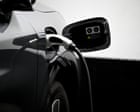
Australia recorded a historic milestone in August, with electric vehicle sales surpassing petrol car purchases for the first time. More than 27,000 EVs sold during the month, outpacing traditional petrol vehicles as fuel costs climbed and new government incentives took effect.
The shift reflects a fundamental change in Australian vehicle purchasing patterns. For years, the country lagged peers like the United States and European nations in EV adoption. August's data signals that barrier has crumbled, driven by two converging forces: consumer economics and policy intervention.
Fuel prices remain elevated across Australia. A driver steering away from petrol-powered engines saves substantially on running costs, particularly in regional areas where fuel stations operate with geographic constraints. Electric vehicle charging infrastructure has expanded enough to support mainstream adoption, though gaps remain outside major cities.
The Australian government implemented new incentives to accelerate the transition. A reduction in tariffs on imported EVs lowered vehicle prices. This policy change removed a cost barrier that had previously made EVs uncompetitive against established petrol models, even when accounting for fuel savings over a vehicle's lifetime.
August's 27,000 EV sales represented the single highest monthly total in Australian automotive history. The previous record stood lower, making this month's figure a clear threshold moment. Sales volumes crossed the point where EVs captured more than 50 percent of new vehicle registrations, a metric rarely achieved outside Scandinavia and select European markets.
Industry analysts attribute the acceleration to multiple factors working in concert. International manufacturers expanded their EV lineups available in Australia. Tesla maintained its market dominance with the Model 3 and Model Y, but Chinese producers including BYD and Li Auto entered the market with competitively priced models. Traditional automakers like Hyundai, Kia, and Ford ramped production of electric variants.
The timing matters politically. Australia's center-left Labor government championed EV adoption as an emissions reduction strategy. The Albanese administration positioned electric vehicles as an economic opportunity rather than an environmental mandate imposed on consumers. This framing allowed petrol drivers to view the switch as financially rational rather than coercive, broadening political support.
Consumer behavior shifted alongside policy and prices. Australians in urban centers had tested EV ownership through friends and colleagues, reducing apprehension about reliability and charging access. Media coverage shifted from skepticism toward practical ownership guides. Workplace charging infrastructure began appearing at major employers, addressing range anxiety for daily commutes.
The environmental context underpins this transition. Road transport accounts for roughly 24 percent of Australia's emissions, with light vehicles contributing the largest share. Displacing petrol sales with electricity generated increasingly from renewable sources reduces transport emissions without requiring behavioral change from drivers, only a different fuel source at the pump.
Challenges persist. Regional Australia remains underserved by charging networks. Used EV inventory remains limited, constraining buyers without capital for new vehicles. Grid capacity for peak charging demand during evening hours requires upgrades in some states. Battery supply chains depend on mineral imports that Australia mines but does not refine domestically.
The 27,000 August figure will likely remain a temporary apex before falling back to lower monthly totals. Seasonal purchasing patterns affect vehicle sales, and August captured pent-up demand before school holidays. Sustained growth above this threshold requires continued affordability improvements and charging network expansion, but the barrier to EV dominance in Australia has demonstrably fallen.