# Democrats Sideline Climate Messaging as Fossil Fuel Industry Tightens Political Grip
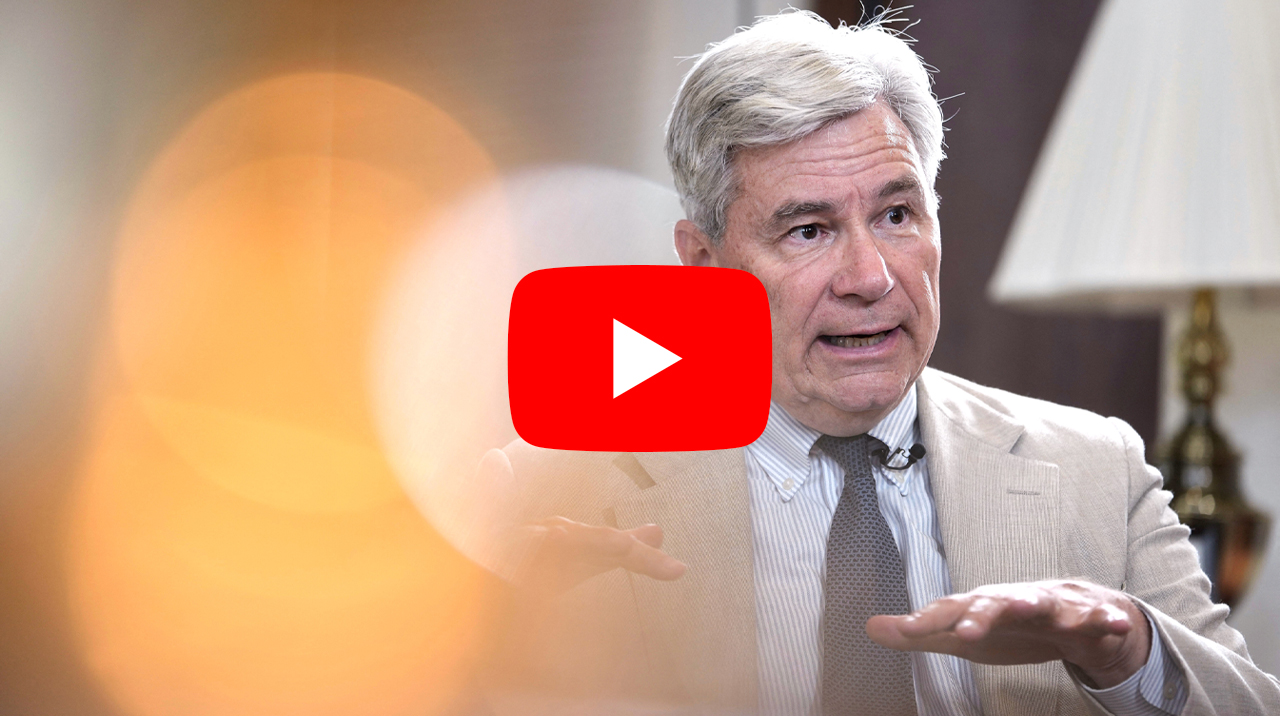
U.S. Sen. Sheldon Whitehouse of Rhode Island is sounding an alarm about Democratic retreat from climate advocacy during a period when oil and gas interests command unprecedented political leverage.
In an interview ahead of Climate Week NYC, Whitehouse confronted a paradox consuming American politics. Democrats have largely abandoned climate messaging from their campaign platforms and public communications, even as scientific evidence of warming accelerates and the transition to renewable energy accelerates economically.
Whitehouse attributes this silence to the fossil fuel industry's expanding influence over the political process. The Rhode Island senator, who has built his career on climate legislation and exposing dark money networks, points to the industry's capacity to fund political opposition, amplify doubt through media channels, and shape legislative outcomes through lobbying apparatus.
The timing compounds the stakes. The Intergovernmental Panel on Climate Change confirmed in 2023 that every fraction of a degree of warming carries measurable human and economic cost. Renewable energy deployment now undercuts fossil fuels on price in most markets, a shift that reframes climate action from burden to opportunity. Yet Democratic candidates in contested races largely avoid the topic.
Whitehouse identifies corruption as the structural problem. Campaign finance rules allow fossil fuel companies and their allied networks to funnel resources into elections with minimal transparency. The industry spent over $1.4 billion on federal lobbying between 2010 and 2021, according to OpenSecrets data, while simultaneously funding climate denial operations and capturing regulatory agencies.
The senator frames this not merely as political calculation. He argues Democrats face a competence test. If the party cannot communicate plainly about an existential risk while the solutions create jobs and lower energy costs, it signals inability to govern effectively on major challenges.
Whitehouse's position challenges the prevailing assumption that climate activism alienates swing voters. Polling from Yale Program on Climate Change Communication shows 70 percent of Americans support strong climate action, including majorities of independents and Republicans. Yet messaging rarely reflects this consensus.
The senator's intervention arrives as the Biden administration pursues climate investments through the Inflation Reduction Act, a law that quietly directs $369 billion toward clean energy and emissions reduction. The legislation succeeded partly because it avoided inflammatory climate language. It focused instead on jobs, manufacturing, and energy independence.
This gap between ambition and messaging reflects the industry's success in poisoning climate discourse. Fossil fuel advocates spent decades manufacturing uncertainty around warming science and framing emissions cuts as economic catastrophe. That narrative work paid dividends. Survey data shows Americans rank climate change below economy, inflation, and healthcare as personal priorities, despite its compounding risks to all three.
Whitehouse's appeal targets Democratic leadership directly. The party controls messaging, resources, and platforms. Speaking clearly about climate science, economic opportunity in clean energy, and corruption in fossil fuel financing requires political will, not complex policy design. The failure to exercise that will, he suggests, exposes whether Democrats can deliver on fundamental governance challenges.
Climate Week NYC convenes industry, policy makers, and advocates to assess progress toward net-zero targets. Whitehouse's intervention suggests the conversation must address not just technical solutions but the political structures preventing their adoption.