# Family's Forced Switch to EV Highlights Transition Economics for Aging Vehicle Owners
A 20-year-old Suzuki Swift's mechanical failure became an unexpected entry point into electric vehicle ownership for one British family, offering a window into how vehicle attrition drives consumer adoption of newer technologies.
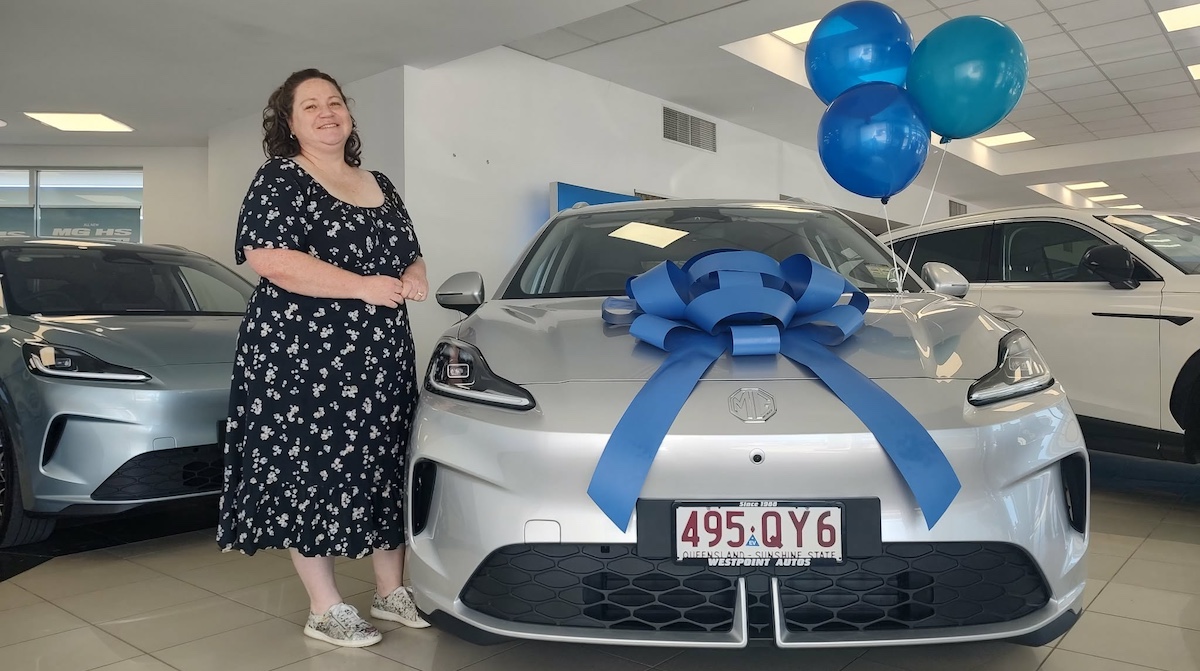
The Swift, colloquially nicknamed "Swifty" by the owner's daughter, suffered a catastrophic mechanical failure after years of operating with a persistent rattling noise. The vehicle's age and repair costs made continuing operation economically unviable. Rather than pursue another used petrol vehicle, the family selected the MG4 EV Urban, a compact electric hatchback priced competitively in the UK market.
This anecdotal experience reflects broader patterns in vehicle replacement cycles. The average car in the UK remains on roads for approximately 14 years, meaning vehicles manufactured around 2010 now face mandatory retirement or repair decisions. Aging internal combustion engines accumulate reliability issues that compound maintenance costs, making the total cost of ownership calculation increasingly favorable for new electric vehicles.
The MG4 EV Urban represents an entry-level electric option. The vehicle offers approximately 260 miles of range on a full charge using its lithium iron phosphate battery pack. Pricing in the UK positions it below many combustion alternatives in the same size class when accounting for government incentives and fuel savings. The acquisition decision reflects a practical calculation: upfront cost plus charging infrastructure access versus mounting repair bills on aging conventional vehicles.
Fleet composition data supports this trajectory. In 2024, electric vehicles comprised approximately 22 percent of new car sales in the UK, up from 6 percent in 2019. Growth accelerated as battery costs declined and charging networks expanded. Yet adoption remains uneven across income brackets and geographic regions. Rural areas lag urban centers in charging availability, creating friction for potential buyers without off-street parking or access to public infrastructure.
The Swift case study encompasses several transition factors. First, vehicle failure removes the option of maintaining status quo. Owners cannot choose not to decide. Second, mechanic assessment of repair economics matters. If a rebuilt engine cost less than half a new vehicle purchase, different decisions emerge. Third, family composition and driving patterns influence EV viability. Those commuting 30-40 miles daily within home charging access require different vehicles than those undertaking 200-mile intercity journeys weekly.
Insurance costs, electricity pricing, and maintenance burden all factor into total operating expenses. Electric vehicles eliminate oil changes, spark plugs, timing belts, and transmission servicing. Brake wear reduces dramatically through regenerative braking systems. Tire replacement accelerates slightly due to higher vehicle weight. Battery degradation occurs gradually, with most EV manufacturers warranting packs for 200,000 miles or eight years.
The MG4's selection suggests confidence in Chinese manufacturer build quality and warranty coverage. The vehicle carried comprehensive manufacturer guarantees and access to warranty service through established dealer networks in the UK.
This family's transition reflects the mechanics of fleet turnover without policy intervention. As aging vehicles reach end-of-life points, their owners evaluate replacement options in contemporary market conditions. EV costs decline annually while petrol vehicle technology stagnates. The economic crossover point approaches for many vehicle segments, accelerating the pace of electrification driven by mechanical necessity rather than environmental motivation alone.