Queensland's inland tourist regions face a critical infrastructure gap that threatens both visitor experience and local economic growth. While Australia's coastal highways and major cities enjoy robust high-speed electric vehicle charging networks, the state's interior destinations remain underserved, forcing EV drivers to choose between longer detours or abandoning rural tourism altogether.
The disparity reflects a familiar pattern in EV infrastructure deployment. Capital cities and major transport corridors attract charging investment because they serve high volumes of users. Regional tourism hubs, which draw visitors seasonally and often sit off primary highways, lack the traffic density to justify commercial investment. Yet these regions generate substantial tourism revenue. Queensland's inland destinations including the Kingaroy area host thousands of visitors annually seeking wineries, national parks, and agricultural experiences. When EV drivers cannot charge conveniently, they either cancel trips or rent fossil fuel vehicles instead.
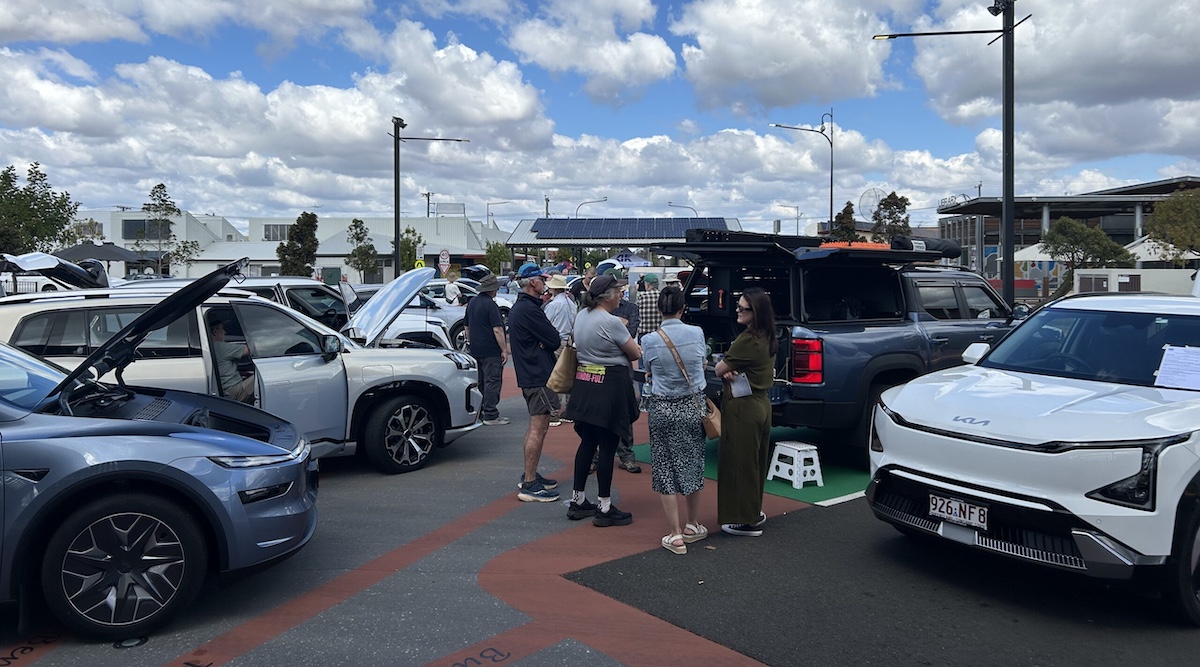
A recent event in Kingaroy underscored this problem. The locality, centered on peanut production and wine tourism 200 kilometers inland from Brisbane, experienced demand from touring EV owners who discovered charging options insufficient for their needs. Local tourism operators reported lost bookings when drivers encountered charging constraints. This pattern repeats across inland Queensland destinations. Towns like Toowoomba, Stanthorpe, and the southern inland region face similar infrastructure shortages despite welcoming growing numbers of EV tourists.
High-speed DC fast chargers represent the essential technology for inland tourism corridors. These systems restore 200+ kilometers of range in 20 to 40 minutes, matching the charging speed expectations established on coastal highways. Level 2 chargers, which require 4 to 10 hours for full charges, work for destination charging at hotels or restaurants but fail to support journey charging through rural regions. Interstate and intrastate highway corridors need DC fast chargers spaced 150 to 200 kilometers apart to enable continuous travel without extended waits.
Queensland's regional tourism board and economic development agencies have begun recognizing this infrastructure as essential to destination competitiveness. Communities competing for tourism dollars cannot afford charging gaps. Unlike coastal regions where EV adoption rates exceed 15 percent, inland areas show lower EV penetration overall, but visitor fleets contain proportionally more EVs from interstate and overseas tourists. A Brisbane resident driving an EV to Stanthorpe represents high-value tourism spending. Loss of such visitors directly impacts hospitality, dining, and attraction revenues.
Public investment remains essential for inland charging networks. Commercial operators typically require subsidies to justify rural installations where base load demand remains limited. State government co-funding, federal infrastructure grants, and tourism development programs can bridge this gap. Some operators leverage location incentives, installing chargers at existing hospitality venues to share business risk with accommodation providers.
The economics shift dramatically when charging becomes reliable. Queensland's inland wine region, regional national parks, and agricultural tourism destinations position themselves as EV-friendly only when drivers can charge confidently. Early-mover regions that deploy networks ahead of competitors gain marketing advantages and visitor loyalty. Kingaroy and similar localities now recognize that EV charging represents modern tourism infrastructure as foundational as roads and fuel stations once were.