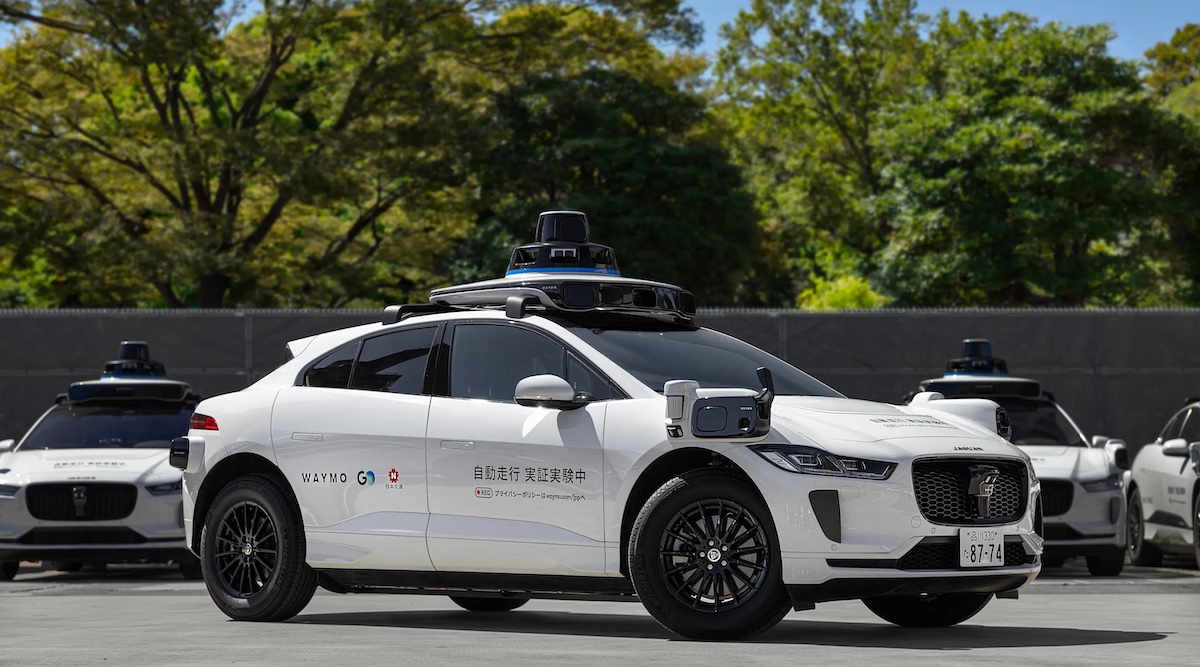
Waymo plans to launch autonomous vehicle services in Singapore, marking the company's first major expansion outside the United States. The robotaxi operator, which now operates across more than a dozen American cities, views the city-state as a strategic international market for its driverless technology.
Singapore presents distinct advantages for autonomous vehicle deployment. The nation operates one of the world's most advanced transportation infrastructure systems, with comprehensive digital mapping, standardized road conditions, and consistent regulatory frameworks. Its compact geography and high population density create ideal conditions for robotaxi adoption. The government has actively encouraged autonomous vehicle testing and development, positioning itself as a hub for mobility innovation in Southeast Asia.
Waymo's U.S. expansion accelerated throughout 2026, establishing operations in major metropolitan areas including San Francisco, Los Angeles, Phoenix, Austin, and Las Vegas. While these operations do not yet serve the broader American population, the company demonstrated consistent technical improvements and safety records that built investor and regulatory confidence. This foundation enabled leadership to pursue international markets.
The Singapore entry represents a significant test of Waymo's technology adaptation capabilities. American roads and driving patterns differ substantially from Singapore's context. Traffic enforcement, driver behaviors, weather patterns, and regulatory requirements vary across jurisdictions. Successfully launching operations in Singapore requires recalibrating autonomous systems to handle tropical weather, dense urban traffic, and local driving norms.
Singapore's Land Transport Authority has indicated openness to autonomous vehicle pilots. The government established regulatory sandboxes allowing companies to test robotaxi services in designated zones under strict monitoring. This framework accelerates deployment timelines compared to American markets, where regulatory approval often takes years. Singapore's strategic goal of reducing private vehicle dependency and emissions through shared mobility solutions aligns directly with Waymo's business model.
The expansion also reflects broader industry trends. Autonomous vehicle companies recognize that sustained growth requires geographic diversification. Tesla and other competitors pursue international deployment simultaneously. Singapore offers Waymo access to Asian markets while establishing operational precedent for eventual expansion into other developed economies across the region.
Waymo's Singapore launch timeline remains unconfirmed, though company statements suggest pilot operations could begin within 18 months. Initial service deployment would likely concentrate in central business districts and high-traffic corridors where robotaxi demand concentrates. The company plans to partner with local ride-hailing platforms to leverage existing customer bases and payment infrastructure.
Environmental benefits accompany this expansion. Autonomous vehicles operated on electric powertrains reduce transportation emissions significantly. Singapore has committed to net-zero emissions by 2050, and autonomous vehicle adoption accelerates this timeline by reducing fuel consumption and enabling fleet electrification. Waymo's technology supports Singapore's broader sustainability objectives alongside improving urban mobility and reducing congestion.
International expansion validates Waymo's technology platform and business model while creating revenue streams beyond domestic markets. Singapore's success template becomes replicable across other developed economies with similar infrastructure standards and regulatory environments. This strategic positioning strengthens Waymo's long-term competitive standing within autonomous vehicle development.