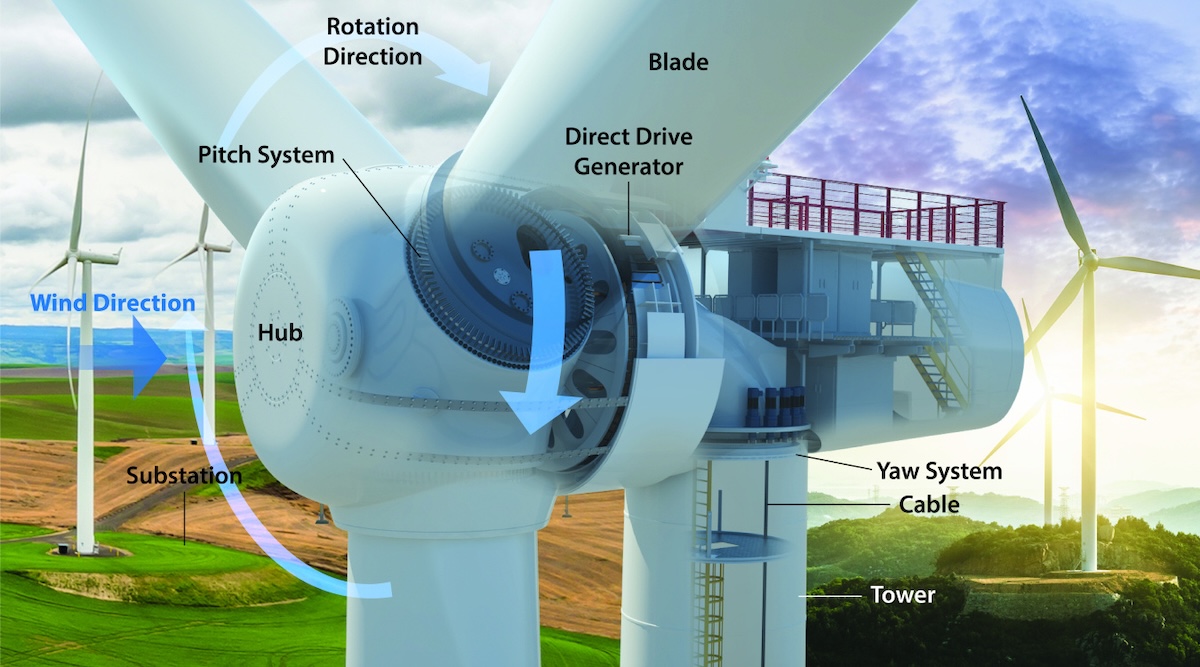
The Trump administration rebranded wind energy in official Department of Energy documents, replacing references to "wind turbines" and "wind power" with the term "aeromechanical energy systems." The shift appears in updated agency materials and policy guidance issued in September 2026.
The rebranding reflects the administration's broader opposition to wind energy development. Trump has repeatedly criticized wind turbines on aesthetic grounds and claimed they harm bird populations, though peer-reviewed research shows wind farms kill far fewer birds than fossil fuel power plants, building collisions, and outdoor cats. The American Bird Conservancy and Audubon Society have called wind energy compatible with bird protection when sited responsibly.
Renaming wind technology in federal documents signals a policy stance without legislative change. The Department of Energy oversees renewable energy research, grid modernization, and deployment incentives established under the Inflation Reduction Act of 2022. That law allocated $369 billion toward clean energy investments, including substantial wind sector funding. Rebranding does not legally alter those allocations, but it indicates reduced departmental commitment to wind deployment and research priorities.
Wind energy currently supplies roughly 10 percent of U.S. electricity generation, according to the Energy Information Administration. The sector employs approximately 120,000 workers across manufacturing, installation, and maintenance. Texas leads U.S. wind production, generating more wind power than any single nation except China and India.
The administration has not announced specific policy reversals tied to the rebranding. However, it signals potential shifts in federal research funding, environmental permitting timelines, and deployment support. Previous Trump administration statements included proposals to reduce or eliminate wind investment tax credits and accelerate offshore wind lease cancellations.
Terminology matters in bureaucratic contexts. Federal agencies use consistent language in regulatory frameworks, funding announcements, and interagency coordination. Shifting from established terms like "wind turbine" to "aeromechanical energy systems" may complicate communication with international partners, researchers, and industry groups accustomed to standard nomenclature. It also signals rhetorical distance from wind technology even as installed capacity continues operating and generating revenue.
The renewable energy industry faces regulatory uncertainty under the renewed Trump administration. Solar installations and battery storage face similar scrutiny, though solar has less public opposition. Utility companies, which operate wind farms alongside conventional plants, have indicated they will continue existing operations regardless of federal messaging.
Environmental groups including the Sierra Club and Natural Resources Defense Council criticized the rebranding as performative anti-environmental action. They noted that federal wind development timelines, interconnection queues, and equipment manufacturing capacity operate independently of terminology shifts.
The move reflects broader political divisions over energy strategy. Democrats and some Republicans in wind-producing states have defended wind expansion as economically beneficial and necessary for grid reliability. The Department of Energy's rebranding suggests the current administration prioritizes symbolic opposition to renewables over detailed policy engagement.