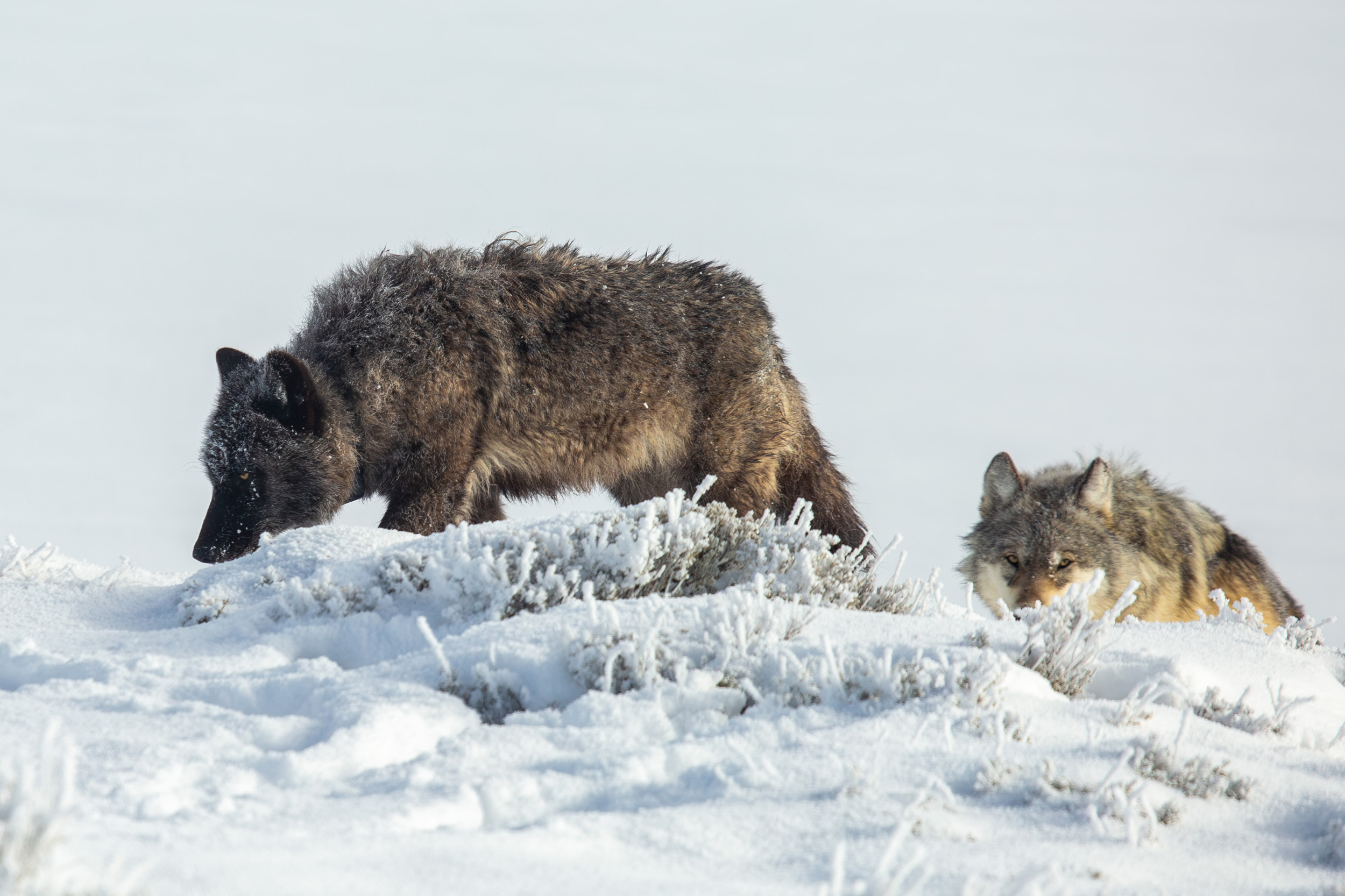
# Trump Administration Strips Federal Protections From Wolves, But Ranchers Point to Different Culprits
President Donald Trump ordered the removal of federal protections for wolves across several U.S. states earlier this month, framing the action as economic relief for ranchers. The Interior Department now faces a mandate to begin implementing these protections removals while conducting broader regulatory reviews designed to improve ranching profitability.
The order targets gray wolves that currently operate under Endangered Species Act safeguards in states including Montana, Wyoming, Idaho, and portions of other western regions. Trump justified the move as necessary to address rancher economic hardship from livestock predation.
Yet ranchers themselves offer a more complicated picture of their operational challenges. While wolf predation creates real losses, industry representatives acknowledge that inflation, feed costs, labor shortages, water availability, and market volatility pose equal or greater financial pressures than wildlife conflict. The administration's move to strip wolf protections addresses one visible problem while potentially sidestepping deeper economic drivers of ranching decline.
The Endangered Species Act has governed wolf recovery since the 1970s, when gray wolves faced near-extinction across the continental United States. Reintroduction programs, particularly in the Northern Rockies and Southwest, restored populations that now number in the thousands. This recovery sparked immediate conflict with agricultural interests who reported increasing livestock losses as wolf numbers climbed.
Federal data on livestock predation remains incomplete, but available studies suggest wolves account for a modest percentage of total ranching losses. Disease, weather, theft, and other predators typically cause larger economic damage than wolves. A 2021 study published in the journal Rangeland Ecology and Management found that in Montana, wolves killed approximately 0.5 percent of livestock across surveyed ranches, though losses concentrated on individual operations.
Stripping protections allows states to establish hunting seasons and lethal removal programs without federal restrictions. Montana, Idaho, and Wyoming have all pursued wolf culling when given legal opportunity. Proponents argue these programs reduce livestock conflict; conservation groups counter that protected populations face unsustainable harvest rates that threaten recovery gains.
The order comes amid broader Interior Department actions targeting environmental regulations. Trump directed his Interior secretary to review a range of rules affecting ranching operations, from water rights to grazing permit standards. These reviews could reshape land management policies on millions of acres of federal rangeland.
Ranching industry representatives have pushed back on framing wolf removal as a primary solution to their sector's struggles. Speaking before the order, some ranch organizations emphasized that addressing feed costs, market access, and labor availability would deliver greater economic impact than predator control alone. Energy costs, fertilizer expenses, and hay prices have surged past pre-pandemic levels, straining operation margins independent of wildlife losses.
Conservation organizations warn that expanded wolf hunting could undermine decades of recovery work and disrupt ecosystem functions that wolves provide through prey population management and carcass distribution. The long-term ecological effects of rapid wolf population reduction remain contested among wildlife biologists.
Implementation of the protection removal will require the Interior Department to coordinate with state wildlife agencies, develop new regulations, and navigate potential legal challenges from conservation groups. Timeline for full implementation remains unclear.