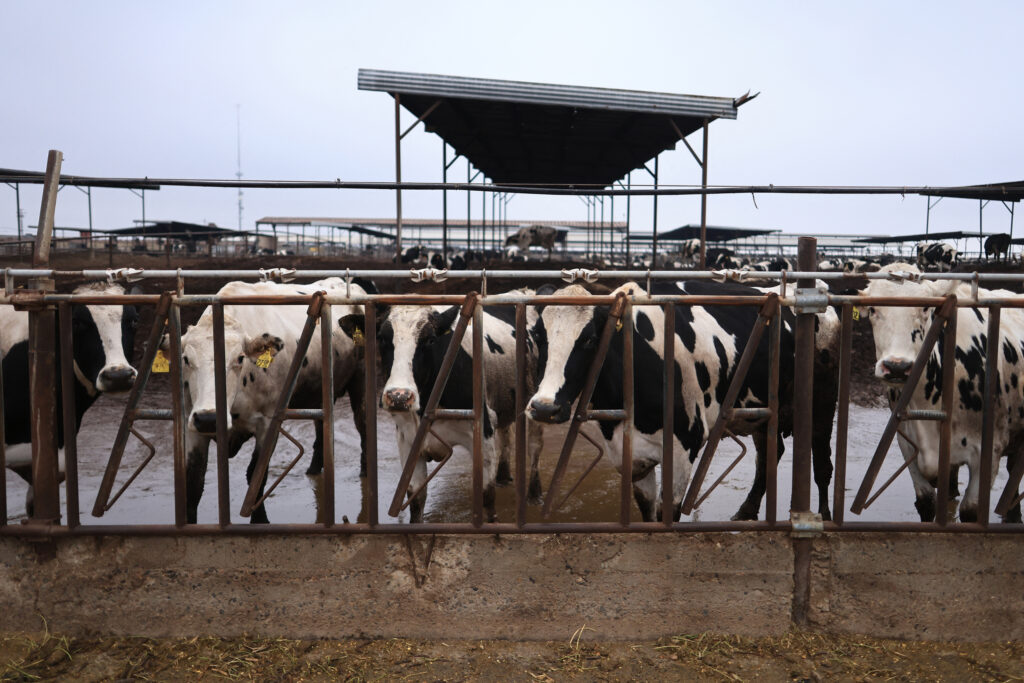
California's State Water Resources Control Board unanimously adopted sweeping new pollution limits targeting dairy manure in the state's most concentrated dairy region after a six-hour regulatory hearing this week. The decision caps years of environmental advocacy and addresses what regulators acknowledge as an "outsized" contamination problem in groundwater across California's dairy heartland.
Nitrogen from concentrated dairy operations has poisoned groundwater supplies across the state, creating a public health crisis in rural communities where residents depend on wells for drinking water. The new regulations establish binding pollution limits for dairy farms, marking the first comprehensive state-level effort to control manure-related nitrogen contamination in California's agricultural sector.
The rules apply most directly to California's San Joaquin Valley, which contains more dairy farms than any other region in the state. Dairy operations there generate hundreds of thousands of tons of manure annually. When improperly managed, this manure leaches nitrogen into aquifers, contaminating drinking water wells and agricultural irrigation sources. Nitrate levels in some valley communities exceed federal safety thresholds established by the Environmental Protection Agency.
Environmental groups including those involved in the decades-long advocacy campaign view the adoption as overdue accountability. "This is the first time the state is taking direct action on this pollution source," advocates noted during the hearing process. The regulations require dairy operations to monitor nitrogen levels, implement management practices to reduce leaching, and meet specific water quality benchmarks.
The State Water Resources Control Board framed the decision as essential to protecting public health and groundwater resources. Dairies produce concentrated waste streams that dwarf other agricultural pollution sources. A single large dairy operation can generate manure equivalent to a city of thousands of residents, yet typically lacks the wastewater treatment infrastructure cities require.
Implementation timelines remain fluid. Dairy operators face requirements to develop nitrogen management plans and demonstrate compliance within specified periods. Smaller operations may receive different compliance schedules than larger concentrated animal feeding operations. The board indicated flexibility for farms implementing pollution control technologies, though specific transition periods were not detailed in the unanimous vote.
The decision reflects shifting political dynamics around agricultural pollution in California. Previously, the dairy industry successfully resisted state-level pollution regulations, arguing that federal and local oversight sufficed. Environmental justice advocates countered that rural communities, particularly those with predominantly Latino and immigrant populations, bore disproportionate health burdens from contaminated water.
Testing in affected communities reveals nitrate concentrations posing developmental risks to infants and potential links to certain cancers in adults. Some valley towns reported that 20 to 40 percent of domestic wells exceeded EPA's maximum contaminant level of 10 milligrams per liter.
The regulations also establish monitoring requirements for nitrogen in surface water and groundwater throughout dairy regions. This data will inform future adjustments to pollution limits and help track whether farms actually reduce their environmental footprint.
Next steps involve regional water agencies developing implementation frameworks and dairy operations beginning the transition to required practices. Environmental groups indicated plans to monitor enforcement, suggesting this regulatory victory opens a new chapter in holding agricultural operations accountable for pollution that reaches drinking water supplies.