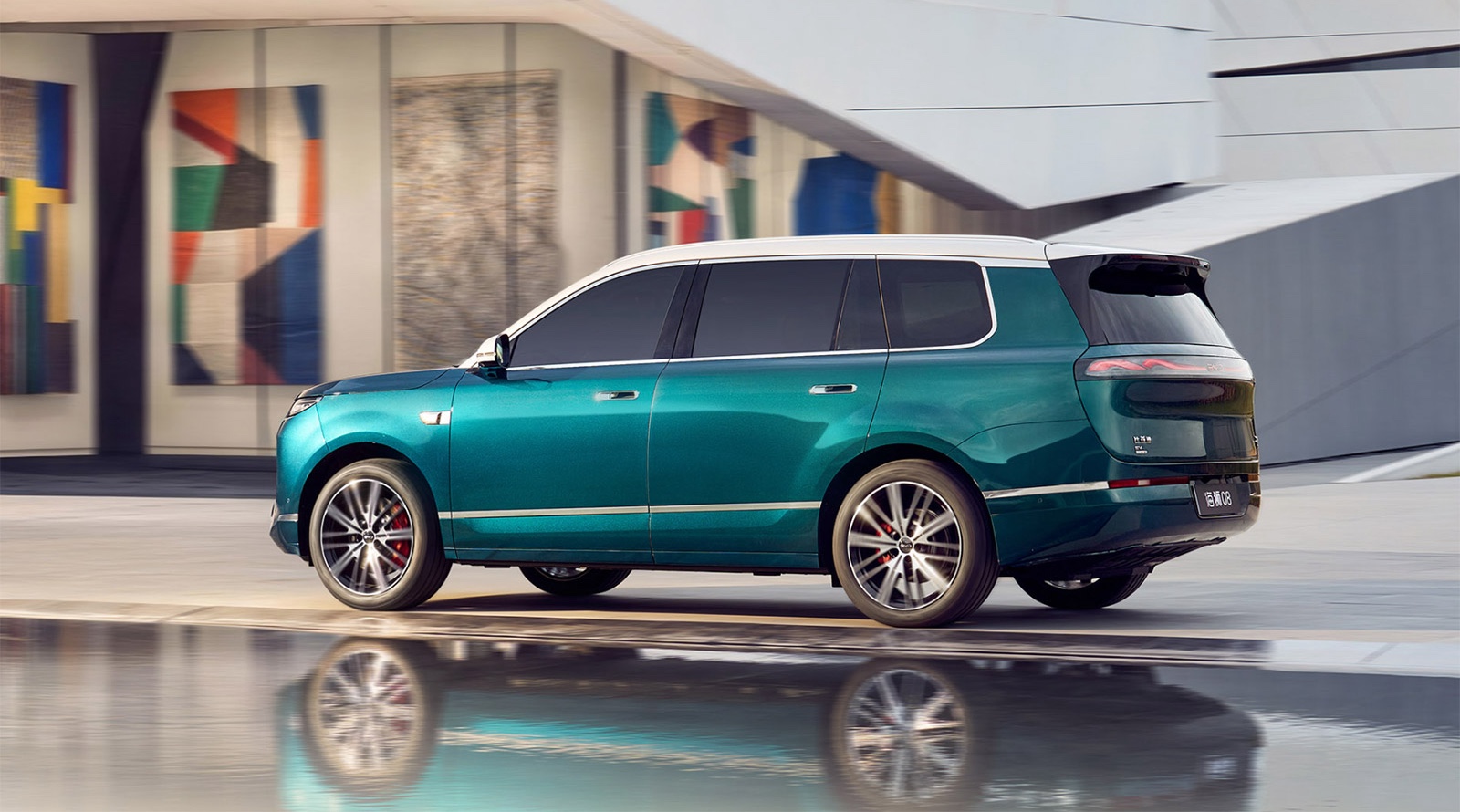
BYD, the world's largest electric vehicle manufacturer by sales volume, plans to construct four factories across Europe as it accelerates its push into Western markets. The Chinese automaker has identified Europe as a critical expansion zone during a period when growth in its domestic Chinese market has slowed.
The move reflects BYD's strategy to establish manufacturing capacity closer to major consumer markets rather than relying solely on exports from China. Local production reduces shipping costs, shortens delivery times, and mitigates tariff barriers that have intensified as European policymakers impose duties on Chinese EV imports. The EU introduced provisional tariffs up to 38 percent on Chinese-made EVs in October 2024, with final rates still under negotiation.
BYD currently operates manufacturing facilities in Thailand and Brazil but lacks significant production footprint in Europe. The planned factories would place the company in direct competition with established European automakers and other Chinese competitors like Geely-Volvo and Li Auto that have already secured European production locations.
The expansion underscores the acceleration of the global EV transition. BYD sold 3.024 million new energy vehicles worldwide in 2024, surpassing Tesla's annual delivery rate. In Europe specifically, BYD has accelerated its retail presence through its Atto 3 (Yuan Plus) SUV, Song Plus DM-i hybrid, and Qin sedan models. The company shipped 383,000 EVs and plug-in hybrids globally in 2024, with European sales growing despite regulatory headwinds.
European nations have committed to eliminating internal combustion engine vehicles by 2035 under EU regulations. This mandate creates both demand for EVs and urgency for automakers to establish local supply chains. Battery production, in particular, has become a strategic priority. BYD manufactures its own lithium iron phosphate (LFP) batteries, which cost less than conventional lithium-ion packs while delivering comparable performance at lower temperature extremes. This vertical integration gives BYD cost advantages competitors struggle to match.
The four-factory plan's exact locations remain unspecified in available statements. Germany, France, Poland, and Hungary have all emerged as potential sites as automakers evaluate labor costs, energy availability, and proximity to consumer markets. Germany's manufacturing base and proximity to Western European markets make it a logical choice, though the country faces industrial headwinds as traditional automakers struggle with transition costs.
Local manufacturing also addresses regulatory complexity. European regulations require domestic content thresholds for vehicles to qualify for subsidies or avoid tariffs. BYD's factory expansion would allow the company to meet these requirements while building supply chain resilience against future trade restrictions.
The expansion comes as Chinese EV makers intensify global competition. NIO, XPeng, and Li Auto all pursue European entry strategies. BYD's scale and battery expertise position it as the most formidable challenger to Tesla's European dominance and traditional automakers' market share.