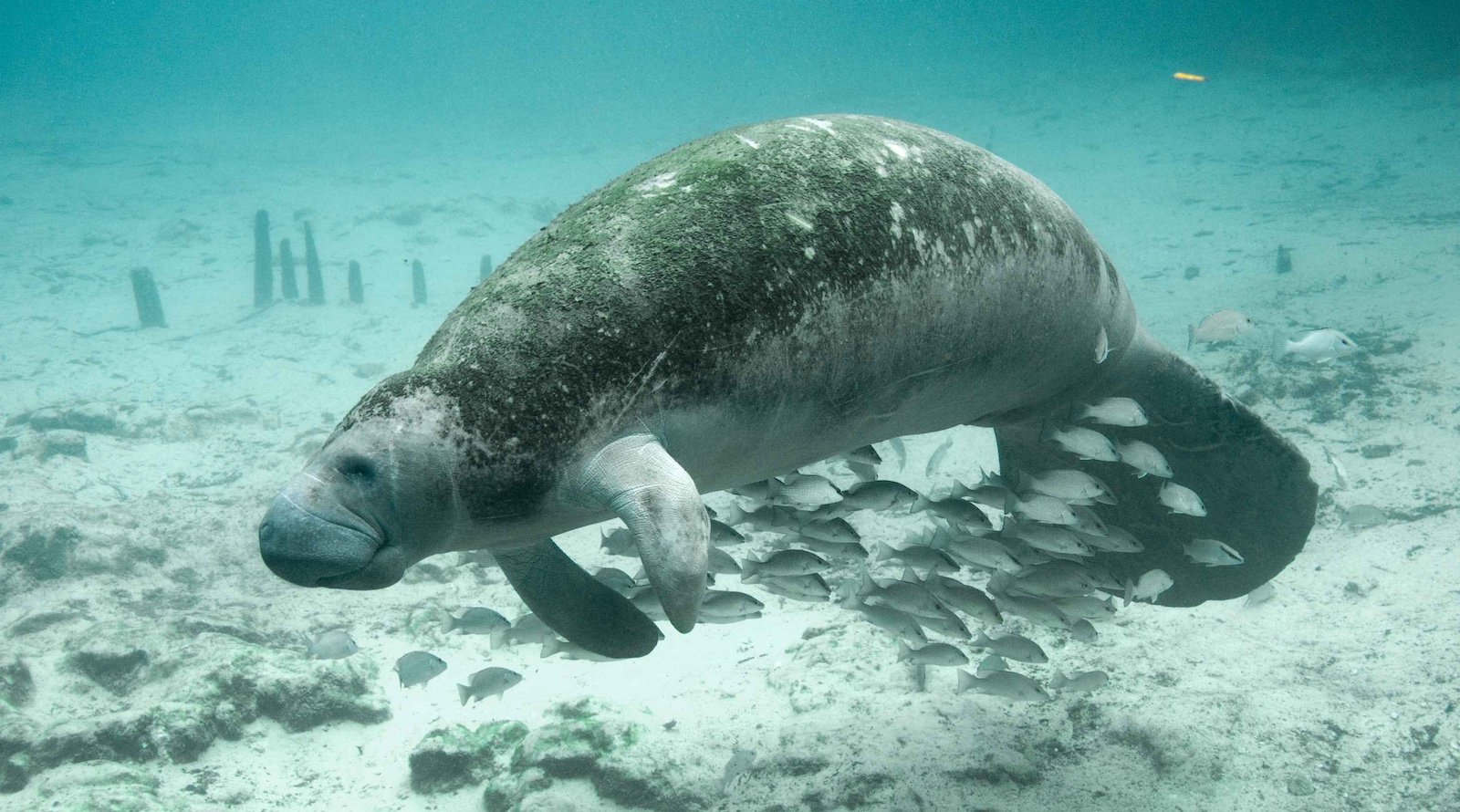
The Trump administration is finalizing two regulations that dismantle decades of federal wildlife protection infrastructure established under the Endangered Species Act, the foundational U.S. conservation statute enacted in 1973.
The first rule rescinds the longstanding blanket 4(d) rule. This regulation, in place for years, automatically extended core ESA protections against killing and injury to threatened species, not just those listed as endangered. The blanket approach created a safety net: any species moving from endangered to threatened status retained defenses against harm without requiring case-by-case regulatory review. Removing it means each threatened species faces individual rulemaking processes to determine what protections apply, creating administrative delays and reducing baseline safeguards.
The second regulation overhauls how the administration evaluates threats to species survival. Under current ESA implementation, agencies must analyze cumulative impacts, including climate change, habitat destruction, and existing human activities. The new rule narrows this analysis, limiting how federal agencies weigh indirect threats and long-term environmental stressors. This shifts the burden toward proving immediate, direct causation rather than accounting for overlapping pressures that drive extinction risk.
These changes follow a pattern. The Trump administration previously weakened ESA implementation through the "critical habitat" rule in 2020, which allowed agencies to exclude areas from protection if economic costs seemed high. That rule excluded vast tracts of land from species recovery planning. The current regulations extend this cost-benefit framework deeper into species assessment itself.
The ESA protects over 1,600 species in the United States, from gray wolves to California condors. The law operates through two main mechanisms: the Endangered Species List, which designates species facing extinction risk, and 4(d) protections, which extend regulations to threatened species. Between 2000 and 2020, listed species showed measurable population recovery rates significantly higher than unlisted species, demonstrating the law's effectiveness when implemented robustly. Peregrine falcons, bald eagles, and Arabian oryx all recovered from near-extinction under ESA protections.
Federal courts have historically upheld strict ESA implementation. In 2019, the Ninth Circuit Court of Appeals ruled that agencies cannot downplay climate change impacts in species assessments. Environmental groups including the Center for Biological Diversity and National Audubon Society have already signaled litigation intent against these rules.
The Fish and Wildlife Service and National Marine Fisheries Service administer ESA protections. Both agencies will gain regulatory flexibility under the new framework, but biologists at both institutions have expressed concern that weakened cumulative threat analysis undermines recovery prospects for species like sea turtles, whose survival depends on addressing ocean warming and coastal development simultaneously.
Conservation organizations estimate that weakening threat assessments could remove protections for dozens of species currently listed or under consideration. The rules take effect within months unless Congress intervenes or courts issue injunctions.