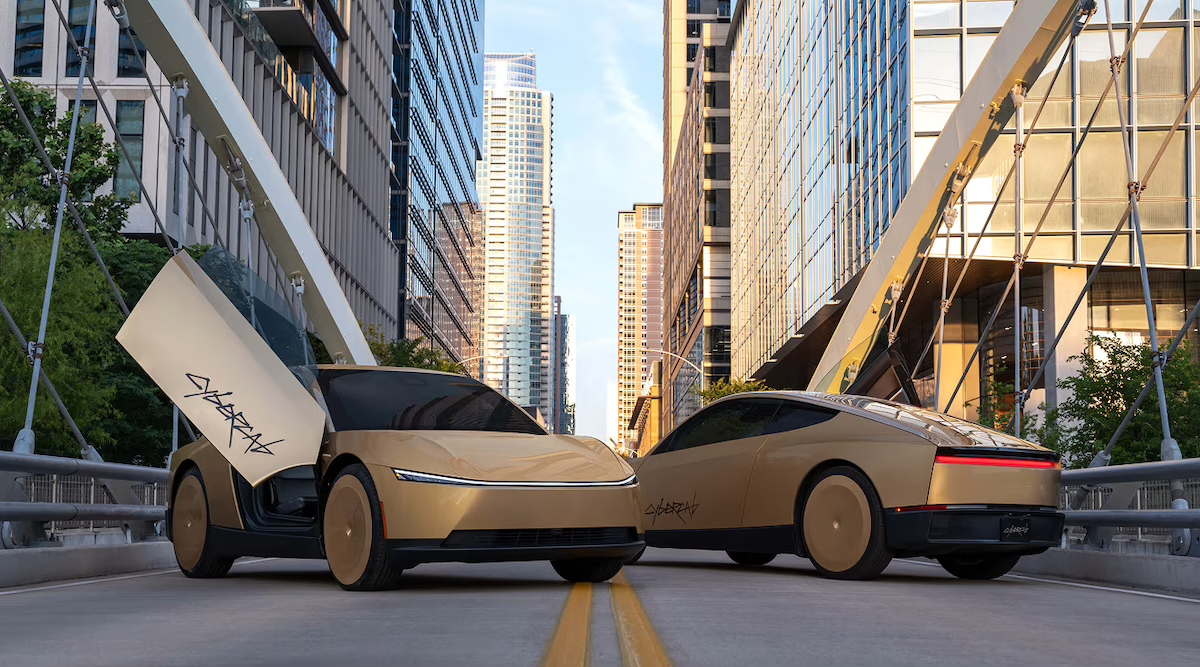
Tesla's Cybercab rollout in Austin faces regulatory scrutiny that explains the muted public reception for what the company billed as a major autonomous vehicle milestone.
The National Highway Traffic Safety Administration has issued 21 specific demands for information about the Cybercab, signaling deep concerns about the vehicle's readiness for commercial deployment. NHTSA's request list targets core safety and operational questions that remain unresolved before any robotaxi service can legally operate at scale.
The Cybercab represents Tesla's push into driverless taxi services, a market that Elon Musk has long positioned as central to the company's future revenue. Yet the Austin event lacked the fanfare and concrete timelines typical of major Tesla announcements. No pricing was disclosed. No launch date emerged. No fleet size or service area received clear definition.
NHTSA's 21-point inquiry reflects the agency's authority over vehicle safety standards and its obligation to evaluate autonomous systems before they reach public roads. The specificity of the demands indicates regulators are not satisfied with Tesla's current disclosures about how the Cybercab detects obstacles, handles system failures, communicates with other vehicles, and manages edge cases that autonomous systems notoriously struggle with.
This regulatory friction explains the Cybercab's tepid reception. Major autonomous vehicle deployments require regulatory approval. Waymo has spent years building relationships with NHTSA and state authorities before operating its driverless Jaguar fleet in Phoenix and San Francisco. Cruise operated its robotaxi service in San Francisco until a September 2023 incident involving pedestrian injury prompted the California Public Utilities Commission to revoke its deployment permit. That crash underscored NHTSA's caution about premature autonomous rollouts.
Tesla has not disclosed the timeline for responding to NHTSA's information demands. Regulatory approval for driverless vehicles typically requires demonstration of safety performance at least equivalent to human drivers, validation of sensor reliability, and protocols for handoff scenarios where the vehicle cannot proceed safely. Tesla's track record with Autopilot and Full Self-Driving has drawn criticism from safety advocates and regulators for overstating autonomous capabilities while lacking transparent safety data.
The Cybercab's underwhelming launch also reflects market reality. Multiple autonomous vehicle companies compete for regulatory permission and public trust simultaneously. Waymo's gradual expansion demonstrates the patience required. Cruise's stumble shows how quickly accidents erode progress.
Tesla faces pressure to deliver on autonomy promises it has made for over a decade. The Cybercab represents a bet that the company can move faster than competitors while satisfying regulators. NHTSA's detailed interrogatory suggests the agency views that bet skeptically.
The Austin event's lack of concrete details now appears strategic rather than premature. Without regulatory approval pathways defined, Tesla cannot promise customers a service launch date. The 21 NHTSA demands will determine whether Cybercab becomes a deployable product or remains a prototype in search of certification.