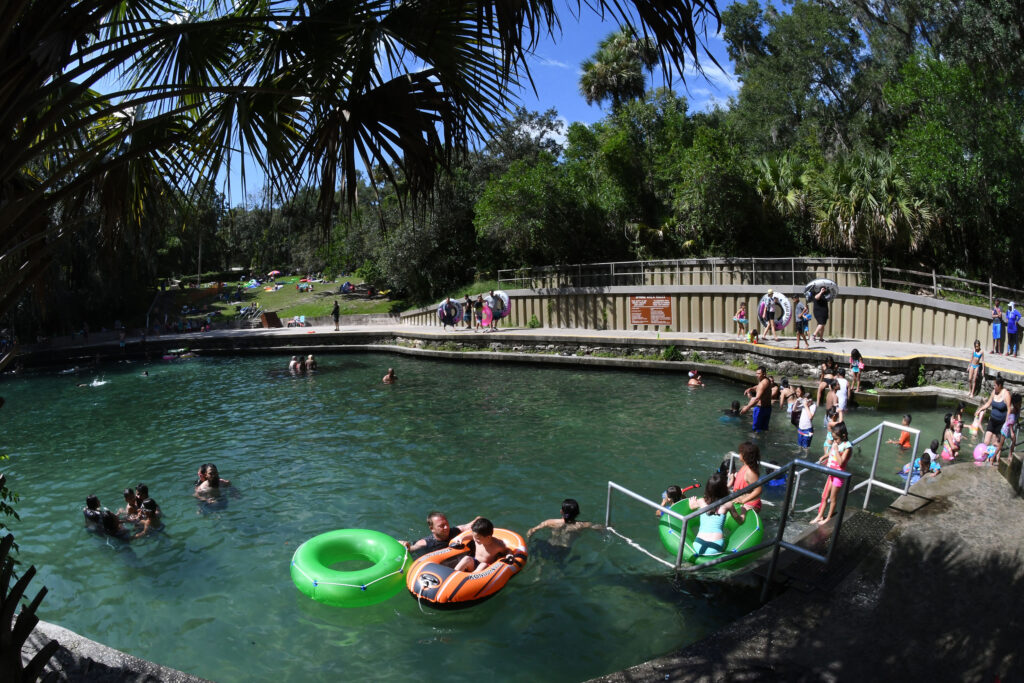
Florida has committed to developing cleanup plans for nine of its most polluted freshwater springs under a legal settlement reached with environmental advocates. The agreement, negotiated between the Florida Department of Environmental Protection and conservation groups, marks the first coordinated state action to address pollution in springs that feed some of the nation's most biodiverse aquatic ecosystems.
The settlement requires the state to establish total maximum daily loads (TMDLs) for each of the nine springs. TMDLs are federally mandated pollution limits that specify how much contamination a water body can tolerate while still meeting water quality standards. Florida has historically failed to set these limits for most of its springs, leaving them vulnerable to degradation from agricultural runoff, sewage discharge, and stormwater pollution.
The nine springs represent a fraction of Florida's 878 registered springs, many of which feed the state's aquifer systems. Some springs discharge more than 500 million gallons of water daily into rivers and coastal areas. The springs support endangered species including the Florida manatee and numerous endemic fish species found nowhere else on Earth. Crystal River, home to one of the largest remaining manatee populations, draws hundreds of thousands of visitors annually.
Florida's springs have experienced documented decline over decades. Water clarity has reduced in many springs, algal blooms have increased, and fish kills have become more frequent. The state's booming population growth and agricultural intensification have accelerated nutrient pollution, particularly nitrogen and phosphorus from fertilizers and wastewater treatment plants. Springs with high nutrient loads trigger explosive algae growth that depletes oxygen and suffocates aquatic life.
The legal settlement emerged from litigation brought by environmental organizations including the Florida Springs Institute and the Defenders of Wildlife. These groups argued that the state violated the Clean Water Act by failing to establish required pollution limits for springs under federal law. The Department of Environmental Protection, facing legal exposure and mounting public concern over spring degradation, negotiated the agreement rather than proceed to trial.
Under the settlement terms, Florida must complete TMDL studies for the nine springs within specified timeframes. Once established, these limits will guide state decisions on permit issuance for wastewater treatment plants, agricultural operations, and stormwater systems that discharge into spring watersheds. The state will also develop implementation plans detailing how it will reduce pollution to meet the new limits.
The agreement does not address all of Florida's troubled springs. Advocates note that hundreds of other springs lack pollution limits and face similar threats. The settlement creates a template for future action but requires the state legislature to fund additional studies and monitoring programs. Environmental groups plan to continue pressing for cleanup plans for other springs using the legal precedent established by this settlement.
Water quality experts say the settlement addresses only part of Florida's spring crisis. Long-term recovery requires reducing overall nutrient loads in the state's groundwater, which feeds springs across multiple watersheds. This demands stronger statewide regulations on agricultural fertilizer use and upgrades to aging septic systems that leach nitrogen into aquifers. Without broader policy changes, the nine new cleanup plans will have limited effectiveness.