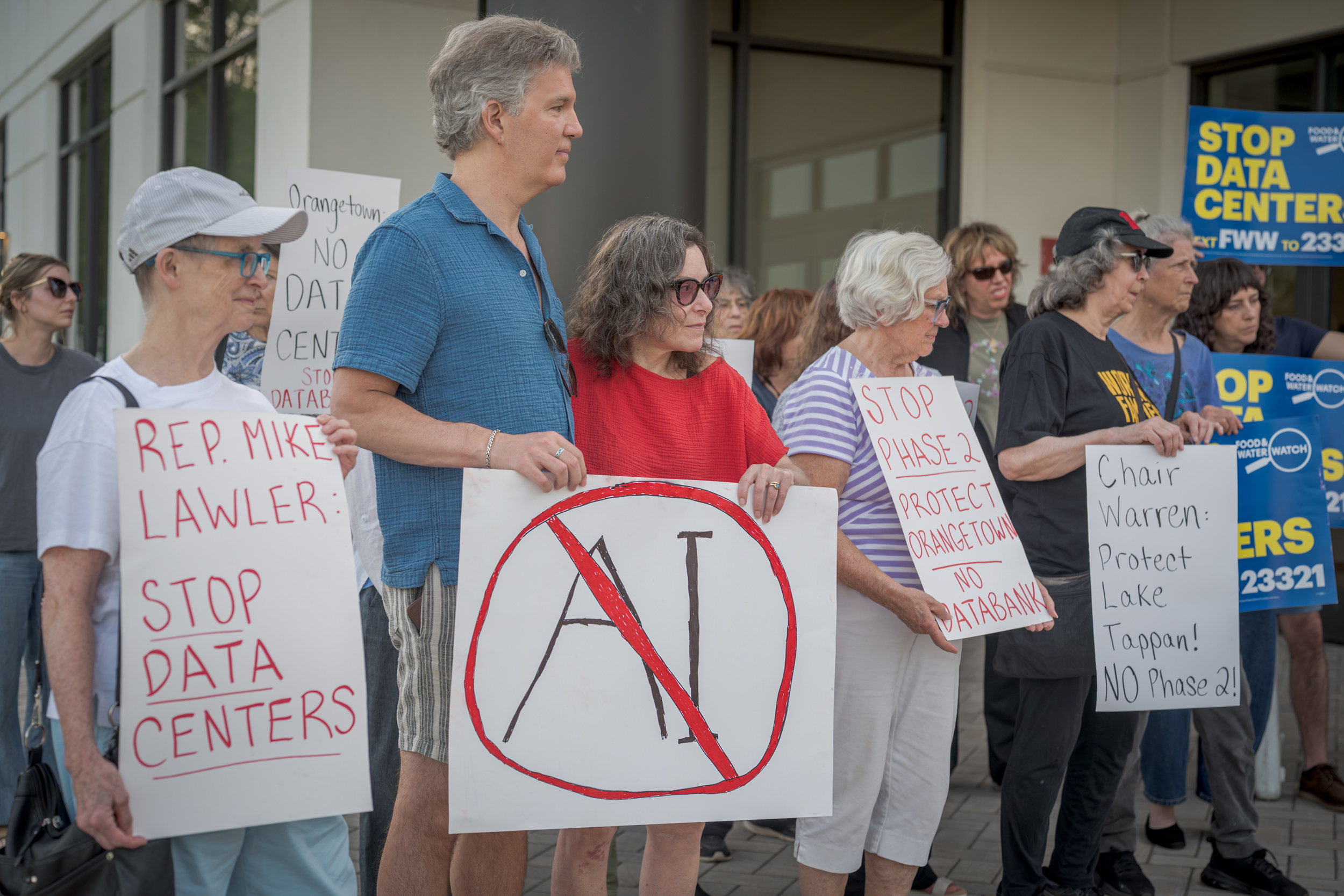
New York's 17th Congressional District has emerged as a crucial battleground where environmental policy directly shapes the outcome of one of the nation's most competitive House races. The district, spanning Putnam and Rockland counties plus portions of adjacent areas, sits astride the Hudson River roughly 40 miles north of New York City, positioning it at the intersection of regional conservation debates and national climate politics.
The Hudson River corridor defines both the geography and the environmental character of NY-17. Basalt bluffs line the western riverbank, creating landscapes that attract competing visions for development and preservation. This terrain has sparked longstanding tensions between energy infrastructure projects, water quality protection, and regional growth patterns. The district's voters face direct choices about which candidate will advance cleaner energy transitions versus fossil fuel expansion, stronger environmental regulations versus industry-friendly policies, and river protection versus industrial development.
House races in competitive districts typically hinge on economic anxiety, national party dynamics, or local quality-of-life issues. In NY-17, environmental concerns have risen to ballot prominence because the district's character depends on specific environmental outcomes. Residents confront questions about Hudson River contamination from legacy industrial pollution, storm surge vulnerability tied to climate change, groundwater protection, and energy infrastructure siting. These are not abstract policy matters. They affect property values, drinking water safety, flood risk, and the viability of outdoor recreation economies that support local jobs.
New York's 17th has shifted in political alignment over recent cycles, making it winnable for either party. That volatility means environmental voters hold disproportionate power. Progressive voters prioritize aggressive climate action and strict environmental regulations. Moderate and independent voters often emphasize pragmatic environmental management balanced against economic development. Conservative voters typically support market-driven energy solutions and oppose what they characterize as burdensome regulations.
The candidates' environmental records and positions will likely determine turnout and persuasion among these groups. Their records on voting or statements about specific projects matter. Endorsements from environmental organizations or local conservation groups carry weight in districts where voters care about water quality, air quality, or land use.
The broader context makes NY-17 representative of how environmental issues penetrate congressional elections nationwide. Climate change mitigation, renewable energy expansion, and pollution control increasingly divide voters along geographic and demographic lines. Coastal districts face flood risk. Districts near energy infrastructure face either job protection or pollution concerns. Suburban districts weigh development against sprawl. Rural districts balance agriculture and extraction against conservation.
Inside Climate News is tracking this race because environmental outcomes in Congress depend on which party controls the chamber and which individual members chair committees or hold swing votes. A single representative from a competitive district can determine whether climate legislation passes, environmental regulations take effect, or fossil fuel projects proceed. The stakes in NY-17 extend beyond local Hudson Valley issues to national climate and energy policy.
This series will examine the specific environmental records of the candidates, the positions they have taken on Hudson River protection, renewable energy development, and climate adaptation, and what their election would mean for environmental outcomes at the state and federal levels.