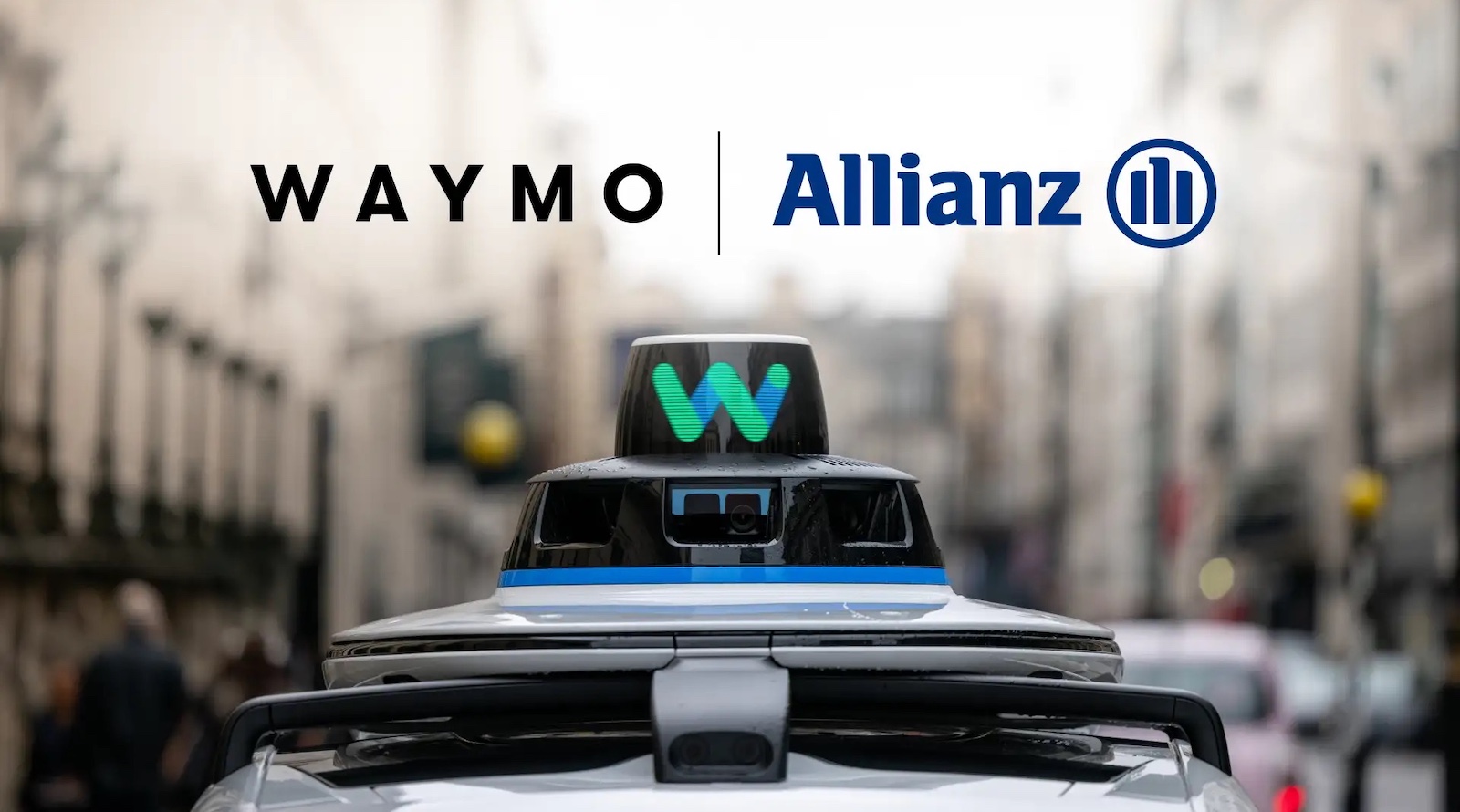
Waymo has partnered with Allianz Partners to establish insurance and risk management infrastructure for autonomous vehicle operations across Europe. The deal signals the company's preparation for commercial expansion beyond North America, where Waymo operates a rider-only service handling over 500,000 paid trips weekly.
The partnership addresses a fundamental barrier to deploying self-driving cars in new markets. Autonomous vehicles require specialized insurance frameworks that differ sharply from conventional auto coverage. Traditional policies assume a human driver behind the wheel. Self-driving cars eliminate that variable, creating novel liability questions about manufacturer responsibility, software failures, and accident attribution. Allianz Partners, the B2B insurance arm of Allianz Group, brings decades of experience managing complex risk pools and regulatory compliance across European markets.
Europe presents both opportunity and complexity for Waymo's expansion. The European Union has been developing autonomous vehicle regulations through individual member states while also establishing baseline safety standards. Unlike the fragmented U.S. regulatory landscape, European operations require navigating unified EU frameworks alongside country-specific rules. Insurance architecture becomes critical because each nation's liability laws differ. Germany treats manufacturer responsibility differently than France or Spain. Allianz Partners operates across all major European markets, giving Waymo access to local underwriting expertise and established relationships with national regulators.
Waymo's U.S. operations provide proof of concept. The company operates in Phoenix, Arizona and San Francisco, California with commercial robotaxi services. These deployments generated data on accident rates, response protocols, and customer experience that now inform European expansion plans. Over half a million weekly paid trips represent the largest real-world autonomous vehicle dataset outside China. This operational history strengthens Waymo's negotiating position with European insurers and regulators who require evidence that autonomous systems function reliably.
The insurance partnership also indicates that Waymo expects to deploy autonomous vehicles in European cities within the next one to three years. Insurance firms do not build infrastructure for hypothetical operations. Allianz Partners' involvement suggests concrete commercial timelines exist. The company likely aims to launch robotaxi services in major European cities like Berlin, Paris, or London before competing autonomous vehicle operators establish market share.
Manufacturer liability looms as the central insurance question in Europe. When a Waymo vehicle causes an accident, who bears financial responsibility. In the U.S., Waymo carries commercial auto insurance from traditional carriers. European regulations increasingly require manufacturers to hold primary liability for autonomous vehicle accidents caused by system failures rather than driver error (since no driver exists). This shifts financial risk fundamentally. Allianz Partners must structure policies that cap Waymo's exposure while maintaining adequate compensation funds for injured parties.
The partnership also reflects broader industry trends. Traditional automakers partnering with autonomous technology firms face similar insurance challenges. BMW, Mercedes-Benz, and Audi all pursue autonomous driving capabilities but lack the operational experience Waymo possesses. Insurance companies increasingly influence autonomous vehicle deployment timelines and technical requirements because they control access to capital and liability protection.
Waymo's European expansion depends on moving beyond technology demonstration into regular commercial service. Insurance frameworks enable that transition. Without Allianz Partners' support, regulatory approval processes would stall. The partnership transforms insurance from a compliance checkbox into a strategic asset, positioning both companies to capture value as European autonomous vehicle markets mature.