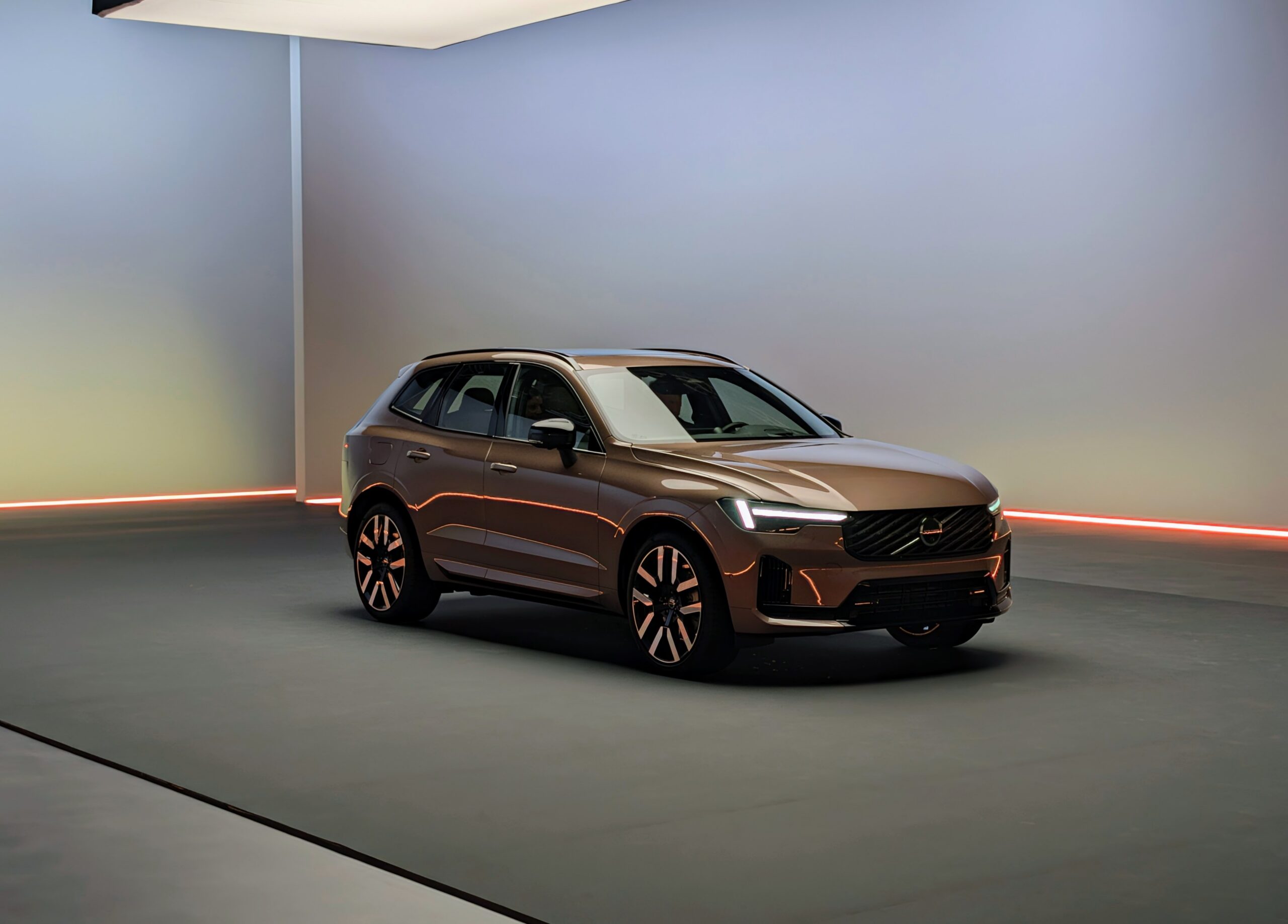
Volvo has unveiled a mid-cycle refresh of its XC60 and XC90 plug-in hybrid SUVs with substantially increased all-electric range, the Swedish automaker announced following media previews in London. The updated models represent Volvo's effort to extend the competitiveness of its plug-in hybrid lineup as the automotive industry accelerates its transition toward battery-electric vehicles.
The refreshed XC60 and XC90 plug-in hybrids now deliver significantly more miles of zero-emission driving capability on battery power alone. While Volvo has not disclosed exact range figures in the announcement, the improvement addresses a common criticism of plug-in hybrids. Many current models deliver electric range below 50 miles, limiting their practical utility for daily commutes and short trips that could otherwise operate on battery power alone.
This upgrade reflects pressure on automakers to demonstrate tangible progress in electrification metrics. Plug-in hybrids occupy contested territory in climate policy. They combine a combustion engine with battery storage, allowing drivers to cover longer distances without charging infrastructure constraints. Yet they retain tailpipe emissions. In real-world use, many plug-in hybrid owners rely heavily on the internal combustion engine, reducing environmental benefits compared to pure electric vehicles.
Battery capacity expansion likely drives the range improvements. Larger battery packs increase vehicle weight and cost, but expanded electric range pushes more driving into zero-emission mode. The refresh positions these models as transitional vehicles for consumers hesitant about full electrification or lacking convenient charging access.
Volvo has committed to an increasingly electrified portfolio. The company plans to phase out combustion-only engines and shift toward battery-electric and plug-in hybrid vehicles. This refresh supports that trajectory while acknowledging that plug-in hybrids remain part of the market for the next several years, particularly in regions with developing charging networks.
The XC60 and XC90 rank among Volvo's bestselling models globally. Enhanced electric range could improve their appeal to environmentally conscious buyers and strengthen their position against competitors like BMW's X3 and X5 plug-in hybrid variants, which also compete on electric-only capability. The refresh also matters for fleet operators and corporate buyers increasingly evaluating vehicle emissions across their operations.
Plug-in hybrid regulations vary by market. The European Union applies stricter CO2 standards to new vehicles, creating manufacturer incentives to expand electric range on hybrid models. China and other markets show similar regulatory pressure. Volvo's move reflects these policy pressures and consumer demand for lower-emission options.
The timing matters. Global electric vehicle sales accelerated in 2024 and 2025, with battery costs declining and charging infrastructure expanding. Yet gasoline prices, purchase costs, and charging availability continue to influence buyer decisions. Extended electric range on plug-in hybrids allows manufacturers to offer vehicles bridging consumer expectations and regulatory requirements during this transition period.
Volvo has not announced specific pricing or availability dates for the refreshed models. The company plans additional details following the London preview period. Deliveries likely begin in late 2026 or early 2027 depending on market and configuration.