# Tampa's Community Gardens Face Funding Crisis as Food Deserts Persist
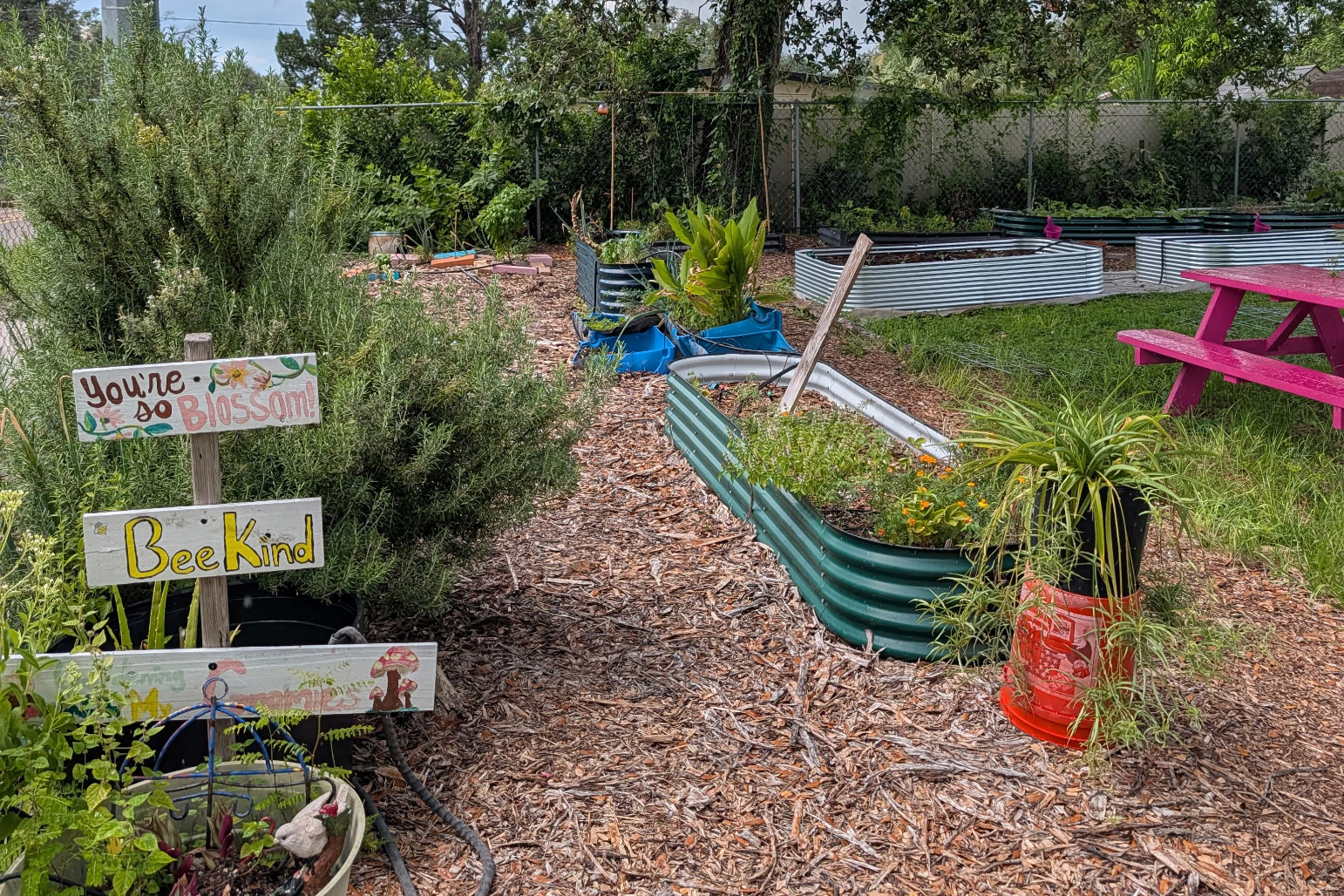
Dee Morales confronted a grim arithmetic in East Tampa. Her neighborhood has waited a decade for a supermarket that never arrived. In that same ten years, she calculated, a community garden could have produced thousands of pounds of fresh food for residents facing a food desert.
Morales runs 813 Community Gardens, an organization operating multiple growing spaces across Tampa's lower-income neighborhoods. Her message to policymakers and funders cuts through the noise of climate and food security discussions: East Tampa does not need more studies, more research projects, or more information about urban agriculture. The community needs money.
This distinction matters. Urban agriculture programs frequently attract academic researchers, environmental consultants, and well-meaning nonprofits eager to document community gardens as climate solutions. They measure carbon sequestration rates, calculate food miles saved, and publish papers about the health benefits of growing your own vegetables. Meanwhile, the gardeners themselves struggle with operational costs, soil amendments, seeds, tools, and labor.
The food insecurity crisis in East Tampa reflects a pattern repeated across American cities. Low-income neighborhoods, particularly those with majority Black and Latino populations, remain systematically underserved by mainstream grocery retailers. Supermarket chains avoid these areas, citing lower profit margins and higher operating costs. The result: residents in food deserts travel miles for basic produce or rely on convenience stores stocked with processed foods high in sodium, sugar, and preservatives.
Community gardens address this gap directly. They produce nutrient-dense vegetables within walking distance. They create gathering spaces. They build social cohesion. They reduce transportation emissions. Yet they operate on shoestring budgets while researchers compile climate impact assessments.
The Tampa case illustrates a broader disconnect in urban food policy. Foundations and government agencies often fund studies about community gardens as climate adaptation strategies. They rarely fund the gardens themselves at levels needed for true scale and sustainability. A garden producing 2,000 pounds of food annually per site requires consistent resources: water access, soil testing, compost, seeds, training programs, and volunteer coordination.
Morales' organization manages multiple plots across neighborhoods with chronic disinvestment. The fundamental barrier is not knowledge. Residents understand that growing food locally reduces dependence on supermarket supply chains. They grasp the environmental and health benefits. What they lack is capital.
This funding gap reflects a climate justice issue often overlooked in mainstream environmental discourse. Community gardens in low-income neighborhoods deliver concrete benefits: fresh food access, green space, stormwater management, urban heat island reduction, and local employment. Yet they compete for resources against projects with bigger budgets and more institutional backing.
Tampa's East End needs functional solutions, not pilot programs. Morales and gardeners like her have moved beyond the information phase. They have demonstrated the viability of urban agriculture in their neighborhoods. They know what works. The question facing policymakers is whether they will commit resources at the level required to transform community gardens from supplementary projects into genuine food security infrastructure.
Funding decisions in the next budget cycle will reveal whether cities view community gardens as solutions worth supporting, or merely as feel-good programs to mention in climate plans.