# Congressional Republicans Push Bill to Immunize Fossil Fuel Companies From Climate Litigation
Republicans in Congress are advancing legislation designed to block climate-related lawsuits against fossil fuel producers, even as heat-trapping emissions from oil, gas, and coal continue driving increasingly severe weather events worldwide.
The House Judiciary Committee scheduled a vote Wednesday on a bill first introduced in April by a Republican representative. The measure targets a growing wave of litigation filed by municipalities, states, and individuals seeking damages from energy companies for climate impacts. These lawsuits argue that fossil fuel producers knowingly withheld internal climate science data while marketing products that generate greenhouse gases now linked to devastating hurricanes, wildfires, floods, and heat waves across multiple continents.
The timing reflects an escalating clash between two opposing legal strategies. Plaintiffs in climate cases rely on precedent from tobacco and asbestos litigation, where companies ultimately paid settlements for suppressing health risks. Climate plaintiffs argue fossil fuel executives conducted similar risk assessments internally while publicly doubting climate science. Meanwhile, the industry and its allies in Congress characterize such suits as overreach that improperly assigns environmental responsibility to energy producers rather than consumers or governments.
The proposed legislation would construct new legal barriers for plaintiffs. Congressional Republicans frame the measure as protecting American energy producers from what they describe as frivolous claims. Energy industry groups support the effort, framing climate litigation as economically destabilizing and duplicative of existing regulatory frameworks.
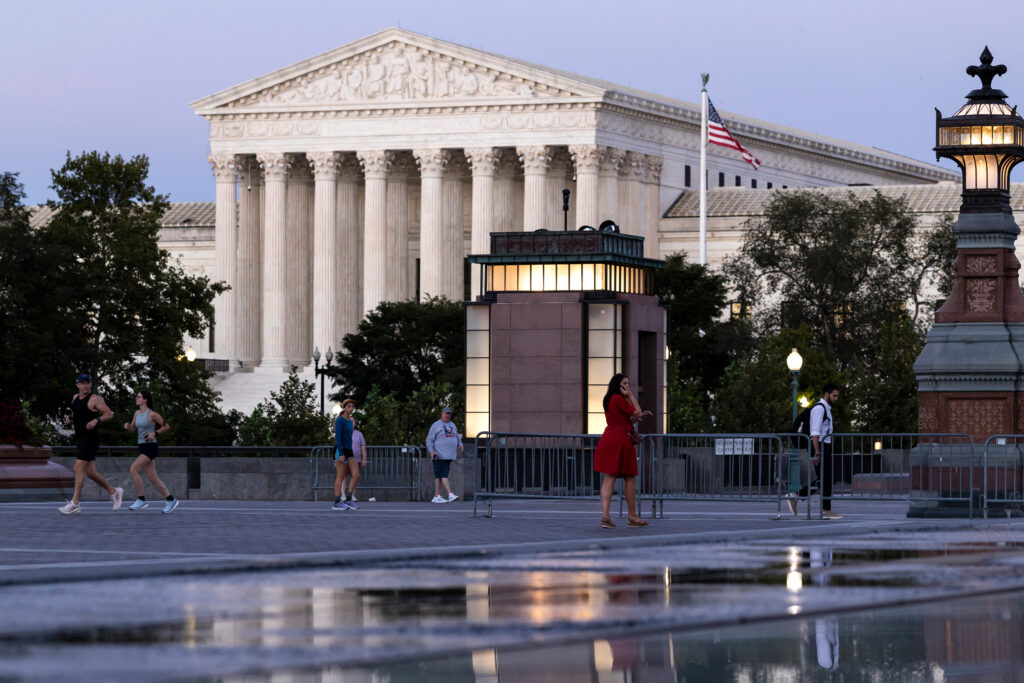
Federal and state courts have been inconsistent in ruling on these cases. Some judges have dismissed suits on grounds that plaintiffs lacked standing to sue or that climate policy questions belong with legislatures and agencies rather than courts. Other judges have allowed cases to proceed. The Supreme Court declined to take up a major climate liability case from Rhode Island against oil giants in 2022, leaving lower court decisions intact.
The practical stakes are substantial. Fossil fuel companies face potential multibillion-dollar exposure if courts ultimately rule that they must compensate governments and individuals for climate damages. Global atmospheric CO2 concentrations now exceed 420 parts per million, and the International Panel on Climate Change has confirmed that human-caused emissions from burning fossil fuels drive observed warming. Recent studies attribute specific extreme weather events to anthropogenic climate change with increasing precision, strengthening legal arguments that companies knew their products created these harms.
The congressional push also signals political divisions over climate accountability mechanisms. Democrats have largely opposed legislation immunizing fossil fuel companies, while Republicans remain divided on climate policy. Some moderate Republicans acknowledge climate science while resisting litigation-focused approaches.
State and local governments increasingly view lawsuits as tools to recover costs of adaptation and disaster response. California, New York, Maryland, and dozens of municipalities have filed suits. Vermont has pursued the most aggressive approach, suing more than 140 oil companies seeking recovery of climate-related infrastructure damage and adaptation expenses.
The House Judiciary Committee vote represents a critical juncture in whether climate litigation remains available as a legal mechanism for holding energy companies accountable for emissions damages.